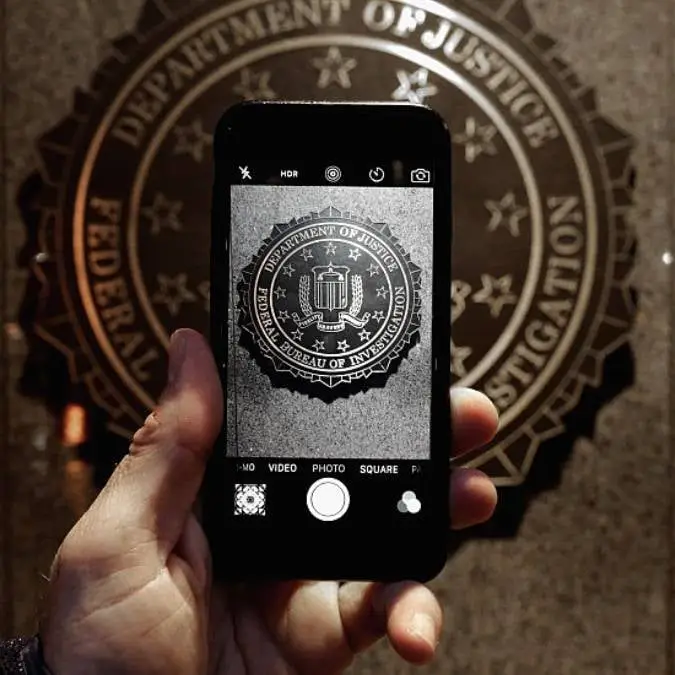
FBI agents blocked from unlocking seized iPhone after Apple feature causes major issue


Smartphones have introduced several measures over the years to protect your devices from theft, but one major setting prevented even the FBI from accessing an iPhone after it was seized from a journalist under investigation by the government.
With how mobile-centric the world is right now, it's imperative that everyone protects access to their smartphones, and that often goes way beyond creating a passcode and setting up biometrics.
There are safeguards within your iPhone that can lock it upon a restart, and even block people from disabling key features like the Find My location tracking, although that's of little use when dealing with the government, which has cybersecurity geniuses on hand.
That's why Apple introduced a game-changing feature known as 'Lockdown Mode' back in 2022, with the tech giant claiming it helps "protect devices against extremely rare and highly sophisticated cyber attacks.” Lockdown Mode is specifically "designed for the very few individuals who, because of who they are or what they do, might be personally targeted by some of the most sophisticated digital threats."
Advert
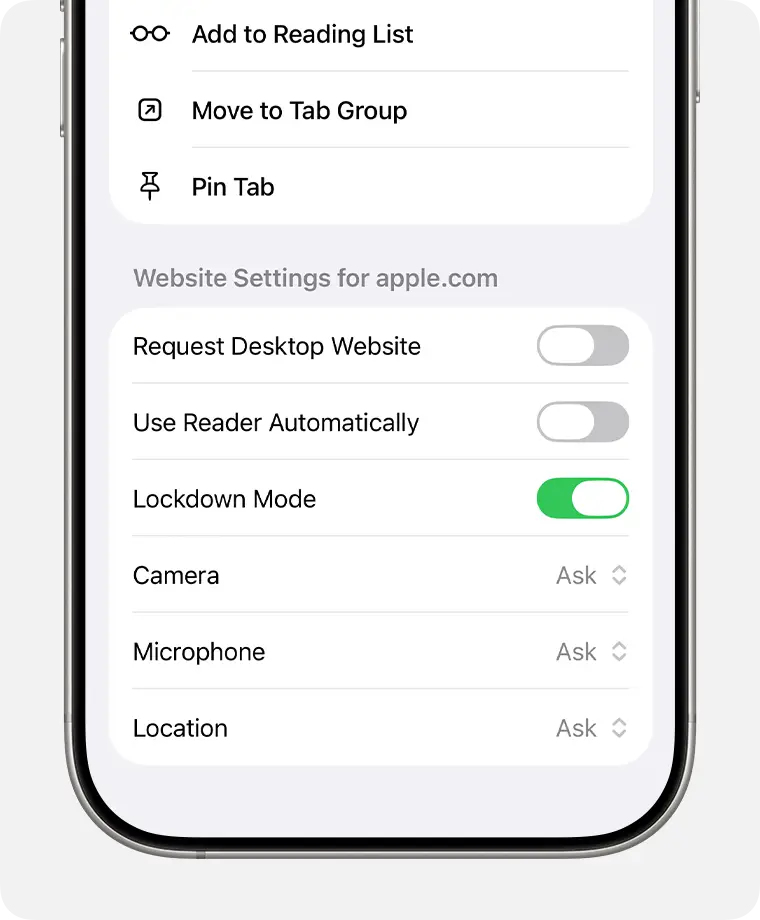
This is often the case for government officials and even journalists dealing with sensitive and potentially dangerous information, and having it enabled provides a last-chance backup against pretty much any threat possible.
When it comes to how it works, Lockdown Mode blocks message attachments, incoming FaceTime calls, and various Apple services, alongside removing automatic connections from wireless services and requiring your iPhone to be unlocked to connect it to another device.
The US government found out just how effective Lockdown Mode is in the last few weeks, as FBI agents have been blocked from accessing an iPhone operated by Washington Post reporter Hannah Natanson after a raid on her home allowed officials to seize several gadgets.
As reported by Ars Technica, the FBI seized both an iPhone 13 and a MacBook Pro owned by the Post, alongside Natanson's own personal MacBook Pro, a 1TB portable hard drive, a voice recorder, and a Garmin smartwatch amid an ongoing investigation over allegedly illegally leaked classified data from a Pentagon contractor.
FBI agents were apparently able to access Natanson's MacBook by forcing her to unlock it via the fingerprint sensor, but they weren't so lucky with her iPhone, thanks to the game-changing feature.
"The iPhone was found powered on and charging, and its display noted that the phone was in 'Lockdown' mode’, a government filing outlines, indicating that it was handed over to the Computer Analysis Response Team (CART), albeit with a similarly ineffective result.
Even though both the Washington Post and Natanson have filed a motion in court that could order the FBI to return the seized devices, that motion has been opposed by the government.
Additionally, a federal magistrate judge has issued a standstill order, which requires government agents to halt any further searches of the seized device until the aforementioned motion has been settled, as the devices could very well be returned.