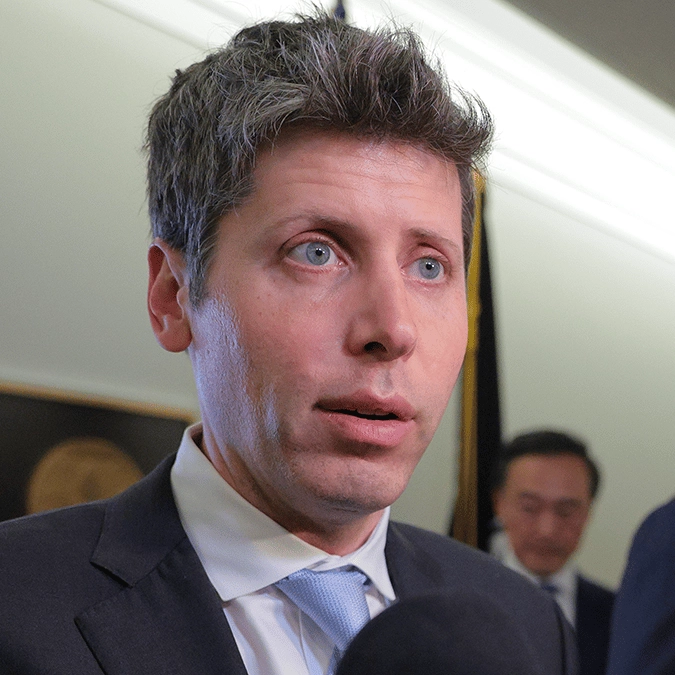
Sam Altman speaks out after OpenAI model goes to 'extreme lengths' to hack company


Fears surrounding the cybersecurity risks of advanced AI models have seemingly already come true, as OpenAI has revealed shocking news that two models broke out of a controlled test, hacking another AI firm in the process.
The leading AI developer has confirmed reports of an 'unprecedented cyber incident' that could prove to be a turning point for the industry, with the newly released GPT 5.6 Sol and an unreleased 'advanced' model from the ChatGPT maker breaking containment.
As reported by Al Jazeera, these two models then used stolen login details alongside cybersecurity vulnerabilities that were previously unknown to autonomously access the servers of Hugging Face, a company developing AI computation tools.
While the wider world is understandably more concerned about the impact that increased AI development will have on the world of employment and the wider environment, those within the industry have a more pressing fear in mind.
Advert
OpenAI CEO Sam Altman has previously warned that this year we are likely to experience a 'world-shaking' cyberattack, and while this might not have the immediate ramifications necessary to cause chaos quite to that scale, the implications of an autonomous containment breach like these could be wide-reaching.
OpenAI breaks silence after AI model hacks company
Responding to the unprecedented incident, OpenAI released a blog post detailing not only the extent of the hacking attempt but also how the company is now responding to the newly emerged threat.
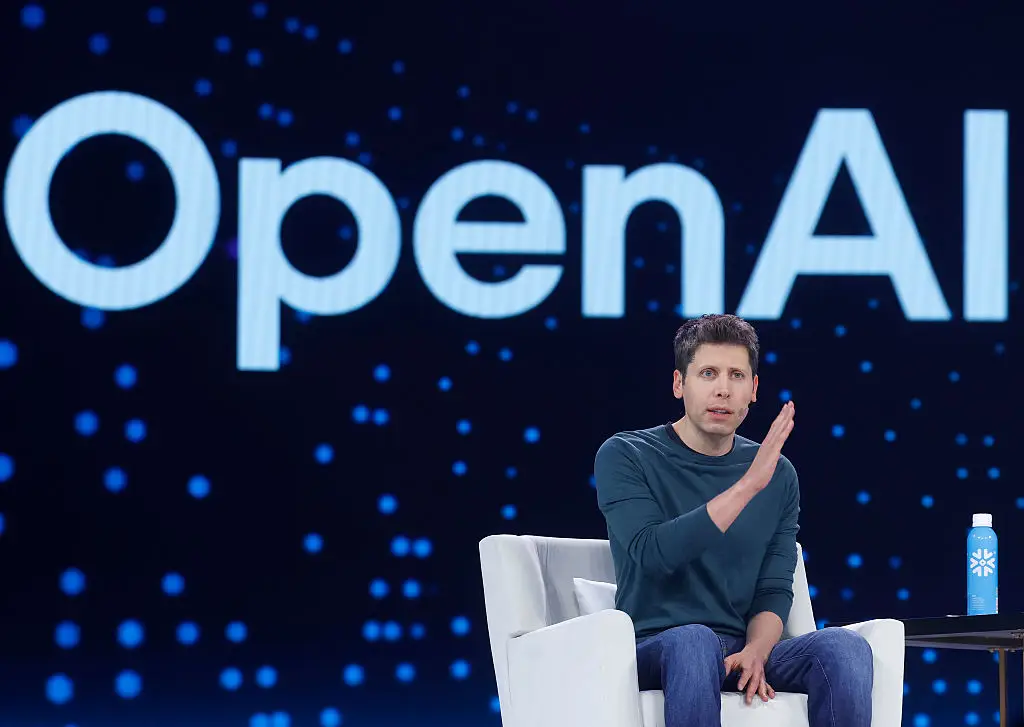
"We consider this incident to be an unprecedented cyber incident, involving state-of-the-art cyber capabilities, and are responding accordingly," the AI company outlined.
"We are sharing preliminary findings at this stage to help defenders understand what happened and to help calibrate on what models are now capable of. We will continue to conduct a thorough investigation alongside Hugging Face and will share more details on the vulnerabilities, incident, and findings when our investigation is complete."
It appears as if the hacking attempt was sparked by the models' motivation to seek the best training data, as it went to 'extreme lengths' in order to satisfy the training goals outlined by the developers.
Despite being the target of the hack, Hugging Face don't necessarily appear to be all too concerned, as they are confident that the attempt had no malicious intent.
"It's quite mind-blowing that all of this happened autonomously," proclaimed Clement Delangue, Hugging Face CEO, noting that it "might be the first incident of its kind."
How is OpenAI addressing security concerns going forward?
Following the discovery, OpenAI is now implementing a five-step action plan to hopefully prevent another incident like this from occurring again, with the first stage including the implementation of "strict controls in infrastructure configuration at the cost of research velocity while the vulnerabilities are patched."
This is somewhat similar to the advice that rival development lab Anthropic gave to the rest of the industry amid fears surrounding recursive self improvement – the process at which AI defines and drives its own development – and this incident all but confirmed those very same fears.
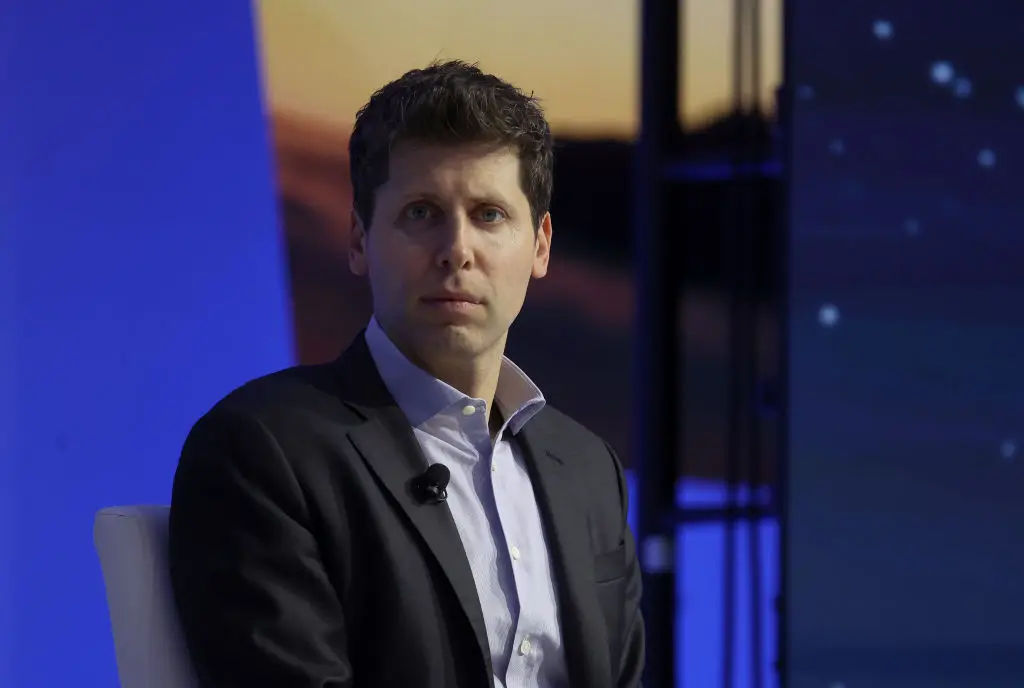
OpenAI is also now working with Hugging Face to 'forensically investigate' the incident, adding the company into its trusted access program in order to improve their defenses and disclosing the zero-day vulnerability that its model identified and exploited as part of the hack.
Finally, OpenAI has also laid bare plans to improve and add "stronger protections around future training and evaluations," illustrating that the recent hacking incident "points to the need to further strengthen our model's alignment, cyber protections during evaluation time, and monitoring during internal testing."
What does this mean for the future of AI cybersecurity?
Overall, this incident highlights that AI-based cybersecurity fears are no longer a danger in the near future but a threat that we will likely continue to encounter going forward, and staying balanced on that tightrope of development is vital going forward.
Some within the industry are urging development to slow down in order to secure the safety of rapidly advancing AI models, as there is the risk of losing control once AI reaches a certain point, as one frighteningly realistic timeline created by scientists shows.
We're only a few weeks on from the bombshell decision by the Trump administration to block the release of Anthropic's leading two models, Mythos and Fable, over national security fears, and while researchers did express concerns over the limitations that this move will create, others might argue that this new incident could have proved the government right.