
World's top economists sign urgent open letter issuing public warning of 'tsunami' about to hit the job market


More than 200 experts have signed an open letter warning about the worrying impact that AI is likely to have on the economy, with 16 Nobel-prize-winning economists confirming fears surrounding the future of your job.
The past few years have already shown the transformative impact that artificial intelligence can (and has) had on employment across the world, with some already being replaced completely by the tech whereas many others have seen it integrated into their workplace.
That encroachment is only set to continue in the near future – and at a rate that many might not quite be ready for – as the open letter outlines the dangers it will pose to humans and society as a whole without official intervention.
As reported by Futurism, the letter's actionable statement demands that we all 'must act now', putting forth three key points that demonstrate the necessity for measures to be taken to protect our future.
Advert
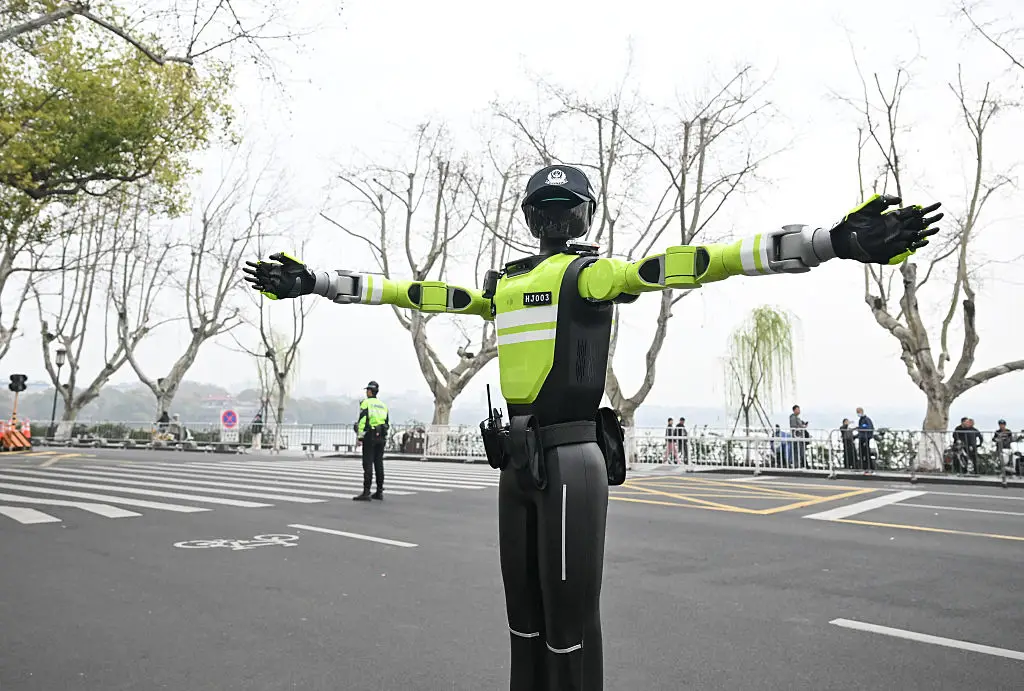
"AI may become radically powerful over the next 10 years," the letter begins, although many of the industry's leading figures outline a far more immediate timeline where AI could easily become out of control, with figures like Sam Altman and Dario Amodei presenting a plea to the political world's most powerful individuals.
"This could drive an unprecedented transformation of our economy, larger than the Industrial Revolution," the letter continues, "but unfolding over a vastly shorter time frame.
"It could bring risks, including large-scale job displacement, as well as opportunities such as major gains in living standards."
AI's impact on the world of employment can very much go two ways, with one more utopian reading seeing it as an opportunity to free people from the need to work, allowing them to live as they wish supported by 'universal high income' schemes provided by profits from AI-driven industries.
On the other hand, however, is a more realistic timeline where jobs are eliminated by profits are still hoarded by the richest companies and individuals, with much of the world plunged into extreme poverty as the wealth gap between the richest and poorest only continues to widen.
Stanford economist Erik Brynjolfsson told the NYT “There’s been a notable change in the profession,”
"I still see a big gap there, a big mismatch, and I’m kind of worried that we’re not going to be ready for the tsunami that’s coming.”
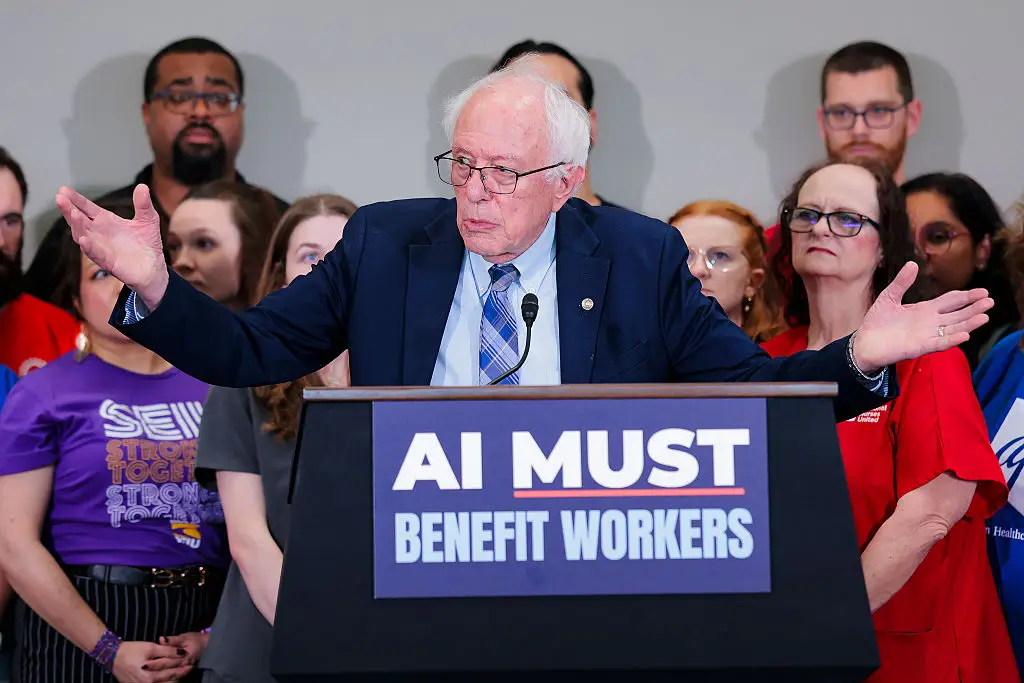
Big tech has almost gleefully emphasized that only a handful of jobs will actually exist in the near future after all, urging people instead to focus on trades and vocational work in lieu of white collar avenues, but that in turn will have a devastating impact on the global economy.
Outlining what's necessary to protect society in the future, the letter illustrates that "economists, policymakers and technology leaders must act now to understand the economics of transformative AI and to build the incentives, guardrails, and institutions needed to steer AI in a direction that complements humans and benefits society."
The time needed to do that is quickly running out, however, with the technology itself rapidly evolving to the point where it will soon inevitably exceed the capabilities of humans — and once it reaches that point there's simply no turning back.