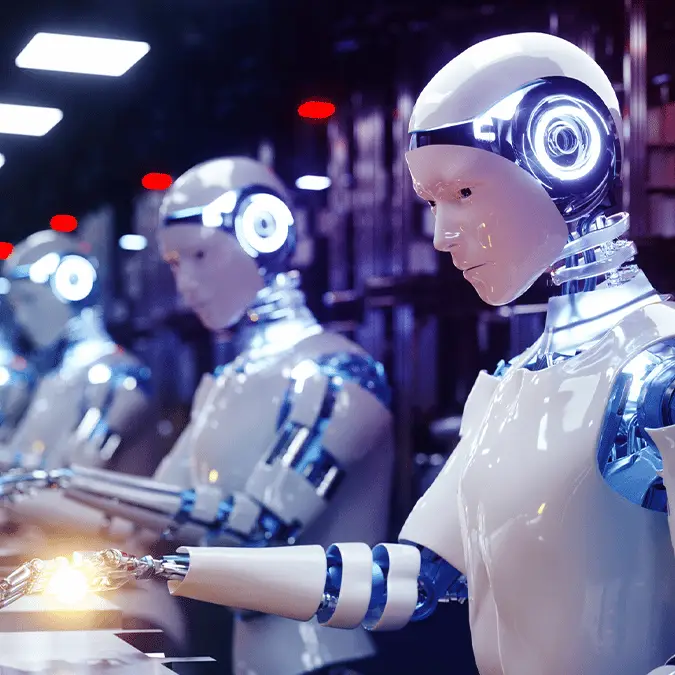
Eerie new study reveals how your 'AI twin' will apply for same job before you do


The job market is tough enough as it is, and if not being laid off due to general reasons, we've also got to compete with the evolution of artificial intelligence, threatening to automate our roles and put us flesh and blood humans out on the sidewalk.
That's apparently just one issue when it comes to artificial intelligence in the workplace, with new fears that our 'AI twins' will apparently apply for our jobs before we even can.
The so-called Godfather of AI has warned that plumbers are likely to be the only ones safe from the AI revolution, with the likes of customer service agents and translators being up there with accountants and journalists (sigh) as being some of the most at risk.
Not everyone likely wants to retrain as a plumber, and as we wait to see how this potential AI apocalypse pans out, many are still on the hunt for a new job – whether it be from being laid off or just fancying a career change.
Advert
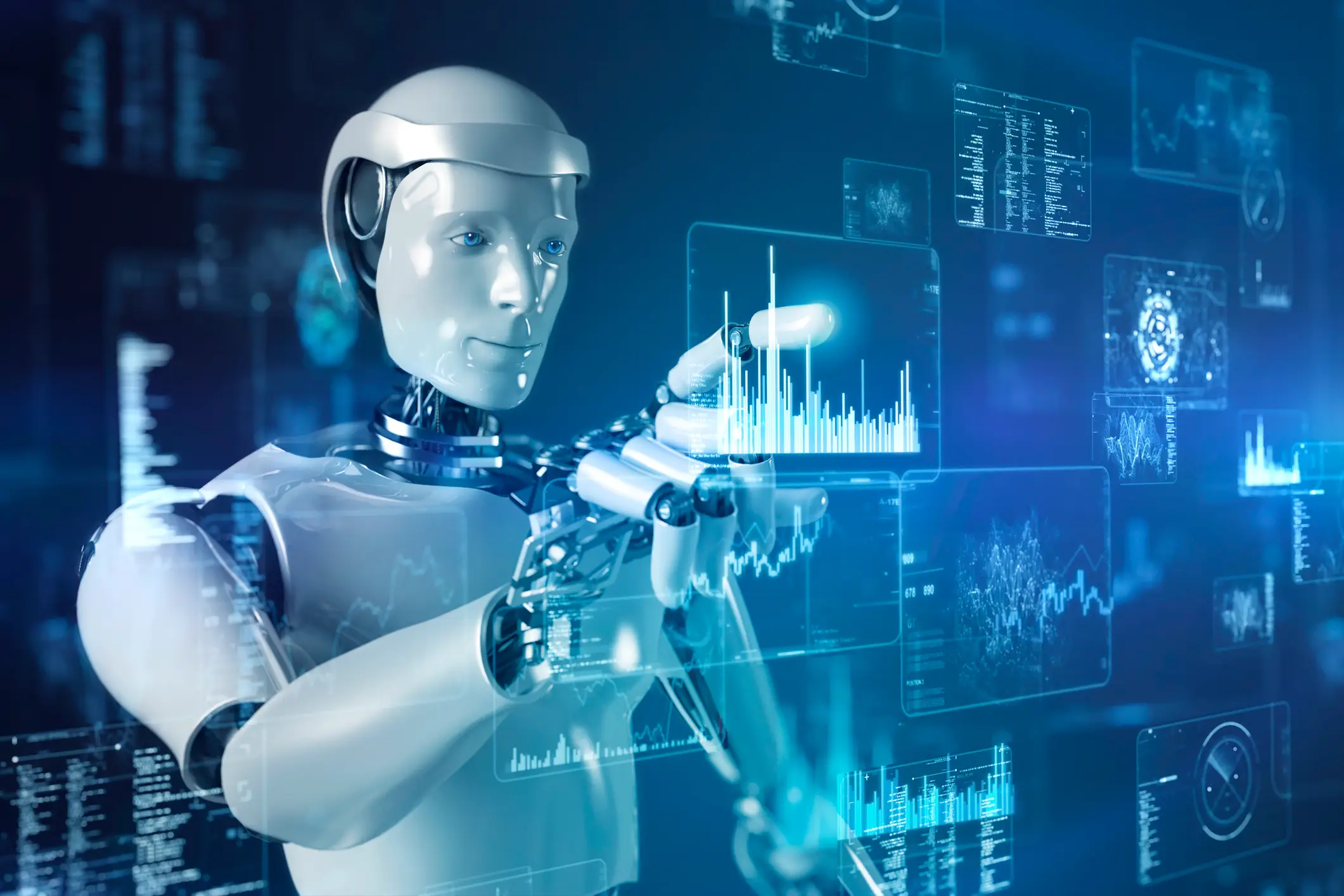
But who are these AI twins, and how are they screwing up our chances of landing our next role?
According to Fortune, AI twins are taking over. If the fact that 75% of resumes apparently now never reach a human, and that more than 1.17 million U.S. jobs were slashed in 2025, weren't grim enough, how about AI twins getting in there and applying for your job before you can?
AI personas of applicants and employers meet in the digital realm before humans do. Engineer Charlie Cheng has apparently created a digital twin that recruiters can talk to, while recruiters also make their own 'AI portraits' or their perfect candidate.
With this in mind, it's important to highlight certifications and AI literacy, although it's said to go both ways. These AI scanners can also pick up everything from negative comments, bad reviews on job-search platforms, and even social media posts that could all impact your application.

There's also the implementation of AI copilots that will effectively come to work with you, analyzing everything from your goals to struggles as you climb the corporate ladder.
Said to track skills, these always-on agents will flag market opportunities and recommend learning paths. There will be added elements like coaching on how to negotiate that all-important pay rise and prep for interviews.
While there are definitely benefits to AI companies developing these personalized career agents, it's in danger of coming at the cost of roles for us mere humans.
We're told that "open-mindedness and careful observation are the major survival skills," although silence from recruiters likely won't be because you aren't the right fit for a job, but simply that AI has deemed you're not the one, as it scanned through your old Facebook posts from 2015.
Fortune suggests that those who adapt with AI should be fine because "even as AI redraws workflows and entire professions, the core of work remains human." Reminding us that responsibility and trust aren't lines of code, it concludes: "And for those willing to keep learning, observing, and adjusting, the construction site of today is not just a place of disruption, but of opportunity."