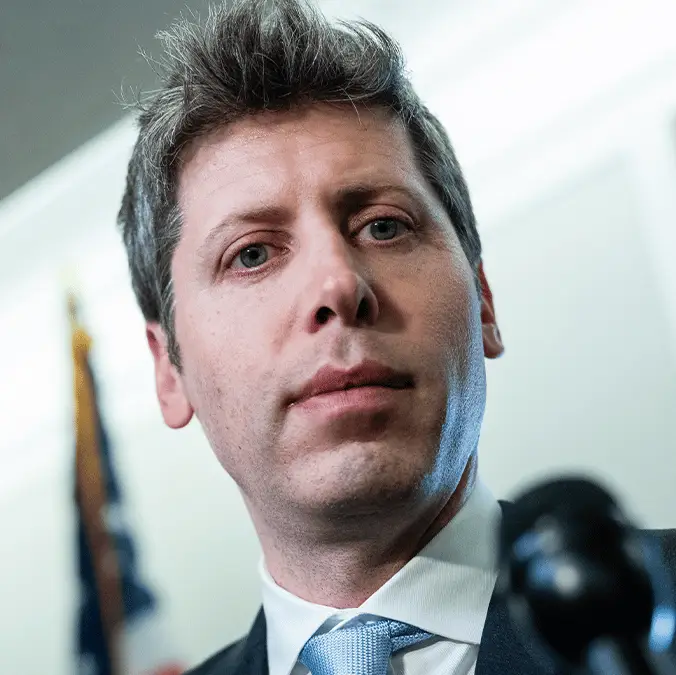
OpenAI boss warns world leaders about a threat 'more insidious' than the AI itself


OpenAI CEO Sam Altman has outlined the dangers surrounding AI that loom in the near future, warning world leaders at the G7 Summit that leaving power in 'the hands of the few' is a 'more insidious threat' than AI itself.
Altman was joined by Anthropic co-founder Dario Amodei and the head of Google's DeepMind lab, Demis Hassabis, in addressing many of the world's leading political figures at the summit, with names like Donald Trump, Emmanuel Macron, and Keir Starmer receiving their message.
While the most pressing threats for most people when it comes to AI relate to the eradication of the job market and the damage it's likely to cause to the environment, the three AI leaders focused solely on the rapid trajectory for the tech that's likely to transform it into a national security concern.
As reported by Sky News, all three figures outlined the risk that AI could post to cybersecurity, bioterrorism, and warfare — and it's something that Altman in particular has warned about before.
Advert
They each indicated that it will be a matter of years before artificial intelligence overtakes the capabilities of humans, yet their means of addressing the issue is where they differ in opinion.
AI leaders call on governments to take action and control
What they see eye-to-eye on is the necessity for governments to supersede AI companies in both defining the governance of future models, and controlling its operation in new fields of play.
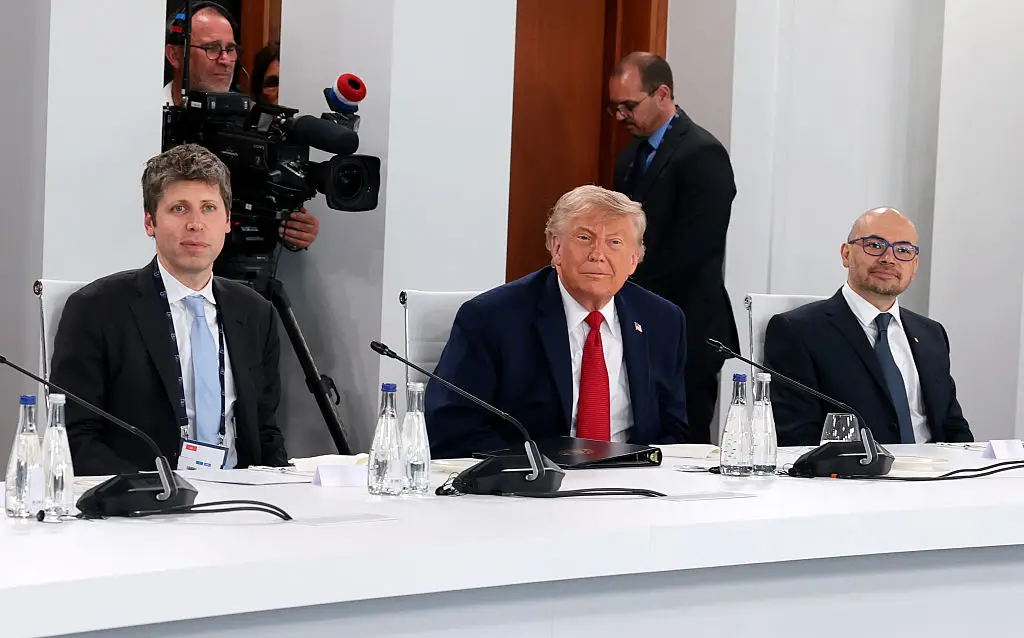
"We need to define this together," Hassabis emphasized in an empassioned statement, with Altman chiming in to demand governments not to "cede your responsibilities to AI labs like mine."
Anthrophic's Amodei only recently called for labs to unilaterally halt development amid concerns over 'recursive self-improvement' – to process when AI begins to 'build itself' and take control over its own research and development – and that could play a prominent role in advancements going forward.
Disagreements over how AI should be controlled
Where there's a split in opinion, however, is in how global governments should take charge of the AI issue, as Altman believes in a more 'universal' yet strict approach compared to his peers.
While Amodei called for the United States to lead a democratic coalition in order to "isolate common adversaries" like China, Altman believes that everyone should be able to benefit equally from the advancements made by AI, arguing:
"We must err toward human liberty. We want everyone on Earth to benefit from this technology and to figure out for themselves how to use it."
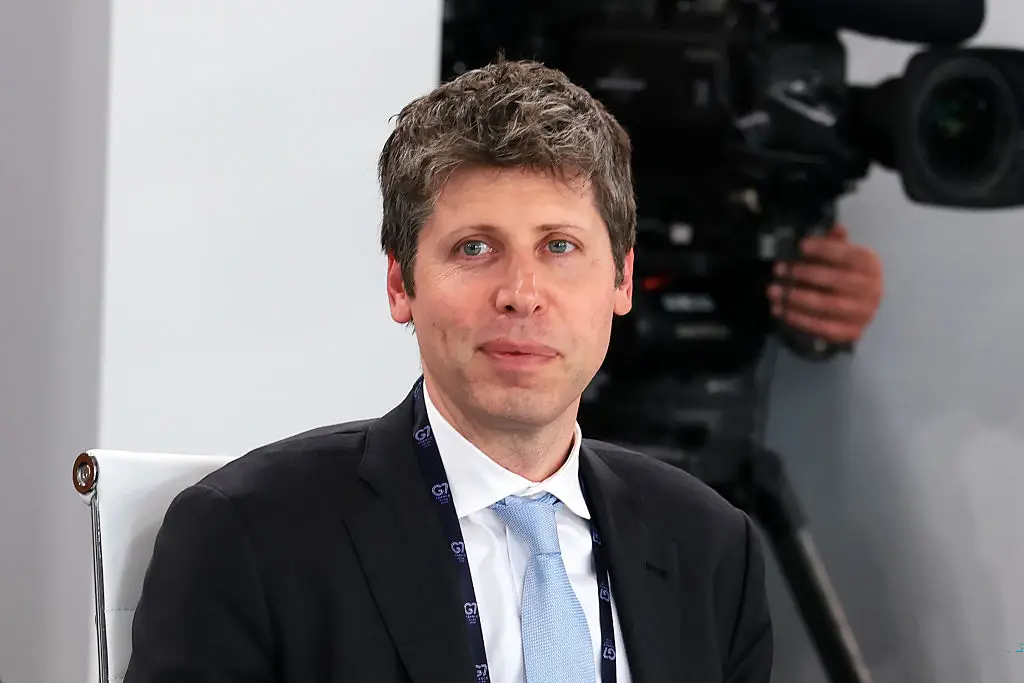
The ChatGPT boss also offered a differing opinion when it came to the role of labs like OpenAI going forward, outlining an 'insidious threat' that could emerge if power is left in the hands of a select few.
"There is a threat more insidious than the technical risks of this technology," Altman urged. "It is the threat that the very real risks that AI poses become the justification for concentrating power in the hands of the few."
Hassabis, conversely, offered a slightly difference perspective by favoring the introduction of a "technical standards body that is supported by leading labs," with the United States once again at the heart of the power.