uniladtech homepage
  • News
    • Tech News
    • AI
  • Gadgets
    • Apple
    • iPhone
  • Gaming
    • Playstation
    • Xbox
  • Science
    • News
    • Space
  • Streaming
    • Netflix
  • Vehicles
    • Car News
  • Social Media
    • WhatsApp
    • YouTube
  • Advertise
  • Terms
  • Privacy & Cookies
  • LADbible Group
  • LADbible
  • UNILAD
  • SPORTbible
  • GAMINGbible
  • Tyla
  • FOODbible
  • License Our Content
  • About Us & Contact
  • Jobs
  • Latest
  • Archive
  • Topics A-Z
  • Authors
Facebook
Instagram
X
TikTok
Snapchat
WhatsApp
Submit Your Content
How much water being polite to ChatGPT actually uses as UN warns against saying 'please' and 'thank you'

Home>News>AI
Published 10:50 8 Jun 2026 GMT+1

How much water being polite to ChatGPT actually uses as UN warns against saying 'please' and 'thank you'

Your conversation habits could be causing an unexpected amount of damage to the planet

Harry Boulton

Harry Boulton

google discoverFollow us on Google Discover
Featured Image Credit: Anadolu / Contributor / Getty
ChatGPT
AI
Climate change

Advert

Advert

Advert

You might be trying to protect your future self from harm when the eventual robot uprising strikes, yet using pleasantries like 'please' and 'thank you' in your messages to ChatGPT actually has an alarmingly high environmental cost, indicating that you should be a bit less polite during your next conversations.

It can be hard to shed your typical conversational habits when talking with an AI chatbot – especially as they're only becoming more 'human' with each new model – but keeping your chats as brief and concise as possible is essential when it comes to downplaying the impact that the tech has on the climate.

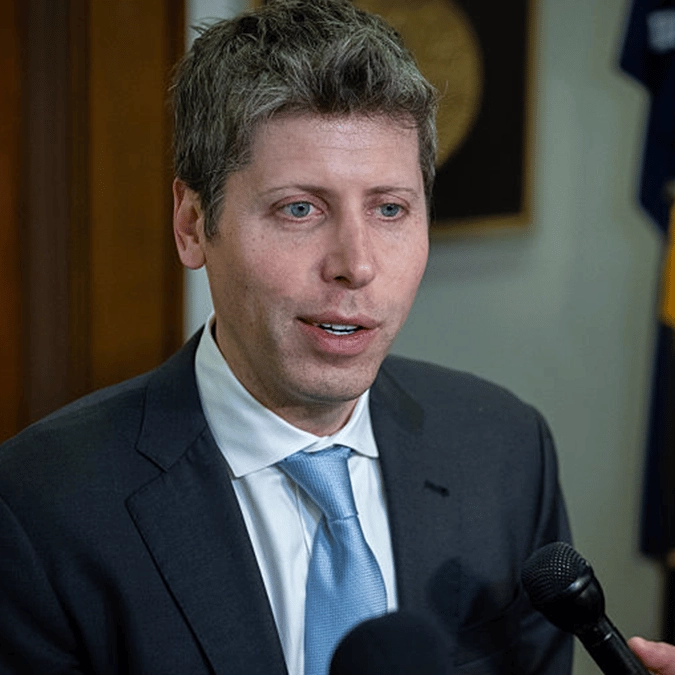
Sam Altman previously noted that people's use of pleasantries in conversation with ChatGPT was an expensive yet beneficial cost for OpenAI, but you might be shocked to discover that saying something as simple as 'you're welcome' to the tool can use around 50 ml of water.

Adding unnecessary words to your ChatGPT messages can have an unexpectedly large environmental impact (Jakub Porzycki/NurPhoto via Getty Images)

Advert

This estimation comes from Nesibe Kırış Can's newsletter 'techletter', where she reveals that a 100-word message to an AI chatbot can consume over 1.4 liters of water, so imagine that multiplied across the hundreds of millions of ChatGPT users.

It's likely that this figure – estimated in April 2025 – has only grown as AI demand has increased, with a new report from the United Nations University outlining the immense pressure that growing AI usage across the world is putting on the environment.

Data centers, across the entirety of last year, consumed roughly 9.3 trillion liters (2.5 billion gallons) of water — and while this doesn't all comes as a result of AI usage, with current estimates sitting at 'only' 20 per cent, it is enough to provide drinking water for everyone on the planet for a year and a half.

Data centers currently consume more water than everyone on the world needs, and your pleasantries could be contributing to that (Jakub Porzycki/NurPhoto via Getty Images)

Cutting down on both the amount of pleasantries that you use in your messages, and the length of the responses you receive from the chatbots themselves can significantly reduce the burden that your usage places on electrical and water demands.

There is no functional benefit to saying 'please' and 'thank you' anymore either, as any internal systems that rewarded politeness in the past have been removed, ensuring that you get the desired result no matter how blunt your communications might be.

Some people even recommend keeping your requests to the point, as cutting out any additional or redundant information in your messages can help provide tools like ChatGPT a focus that it can't stray from.

Choose your content:

9 hours ago
11 hours ago
13 hours ago
  • Joe Raedle/Getty Images
    9 hours ago

    Twitter founder launches new platform that turns AI agents into actual team members

    Human workers will be able to chat to AI agents in a shared workspace

    News
  • SOPA Images / Contributor / Getty
    9 hours ago

    Florida man sues OpenAI after health advice from ChatGPT leads to life-threatening crisis

    He claims the advice led to delayed care on a medical emergency

    News
  • Supatman/Getty Images
    11 hours ago

    Country of 28M people to have mass alert sent to most phones this Monday

    Australians can expect the alert to pop up on their devices at 2pm Australian Eastern Standard Time (AEST)

    News
  • Thanasis Zovoilis/Getty Images
    13 hours ago

    Scientists uncover absolute maximum number of years humans can live

    Science cannot stop the mutation of DNA

    Science
  • UN warns you need to stop saying 'please' and 'thank you' to ChatGPT
  • How much water ChatGPT's outage could have saved puts environmental impact of chatbot into horrifying perspective
  • Why AI data centers require drinking water as UN warns they could drain 1.3 billion people's supply
  • UN warns AI will 'drink' more water than the entire human race needs to survive by 2030