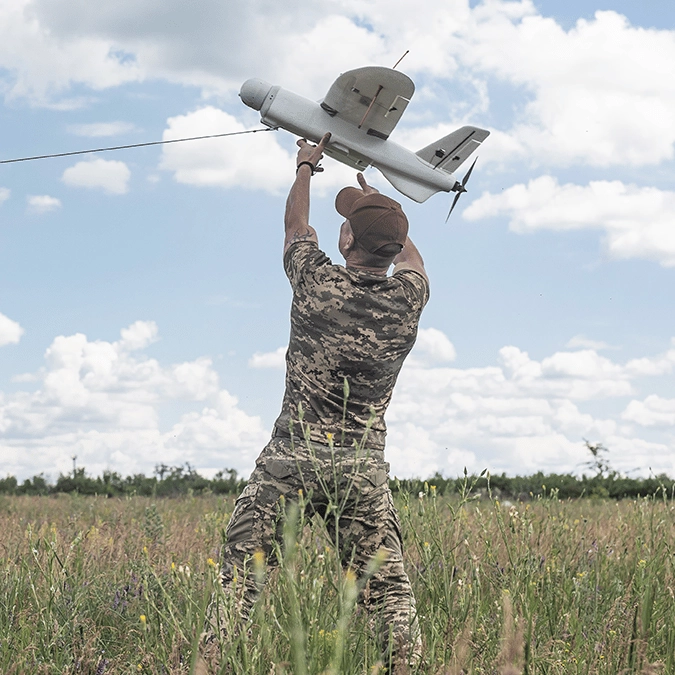
Humans killed by 'terminator drones' for first time ever in deadly test


Humans have been killed for the first time on the battlefield by autonomous drones, according to reports by the Ukrainian defense industry.
This comes after the army tested out the use of these drones, resulting in the deaths of Russian soldiers.
The news was unveiled at a press event which was hosted by the Ukrainian embassy and attended by drone-maker Alexander Kokhanovskyy.
Speaking to New Scientist at the time, Kokhanovskyy confirmed the tech’s capabilities have been ‘tried’ out, saying: “We just launch it and we know everything will be dead - everything that will be found there in this particular area will be dead. There is no connection to the drone at all, you cannot see the video, nothing… Everything it sees will be killed.”
Advert

According to the drone expert, the drone went into ‘terminator mode’ and victims of the test included ‘a couple of soldiers, one truck’.
However, Kokhanovskyy has said that he was not personally involved in the test, which he claims was carried out by a military unit in Ukraine.
How do the killer drones work?
Based on public information, it is thought that the drones require human planning prior to an attack, with the geographic area being mapped out for the drones.
The drones are also given rules for when and what it is allowed to attack but once launched, they are left to autonomously navigate and carry out the mission.
While traditional armed drones send information to a human operator who then decides whether to fire, a fully autonomous drone would instead detect its target, decide whether the target matches its criteria, calculate an attack path and execute the strike without asking a human.
Why are AI military drones controversial?
This method of warfare has proven to be controversial because it is software determining if people live or die, rather than humans making this decision.
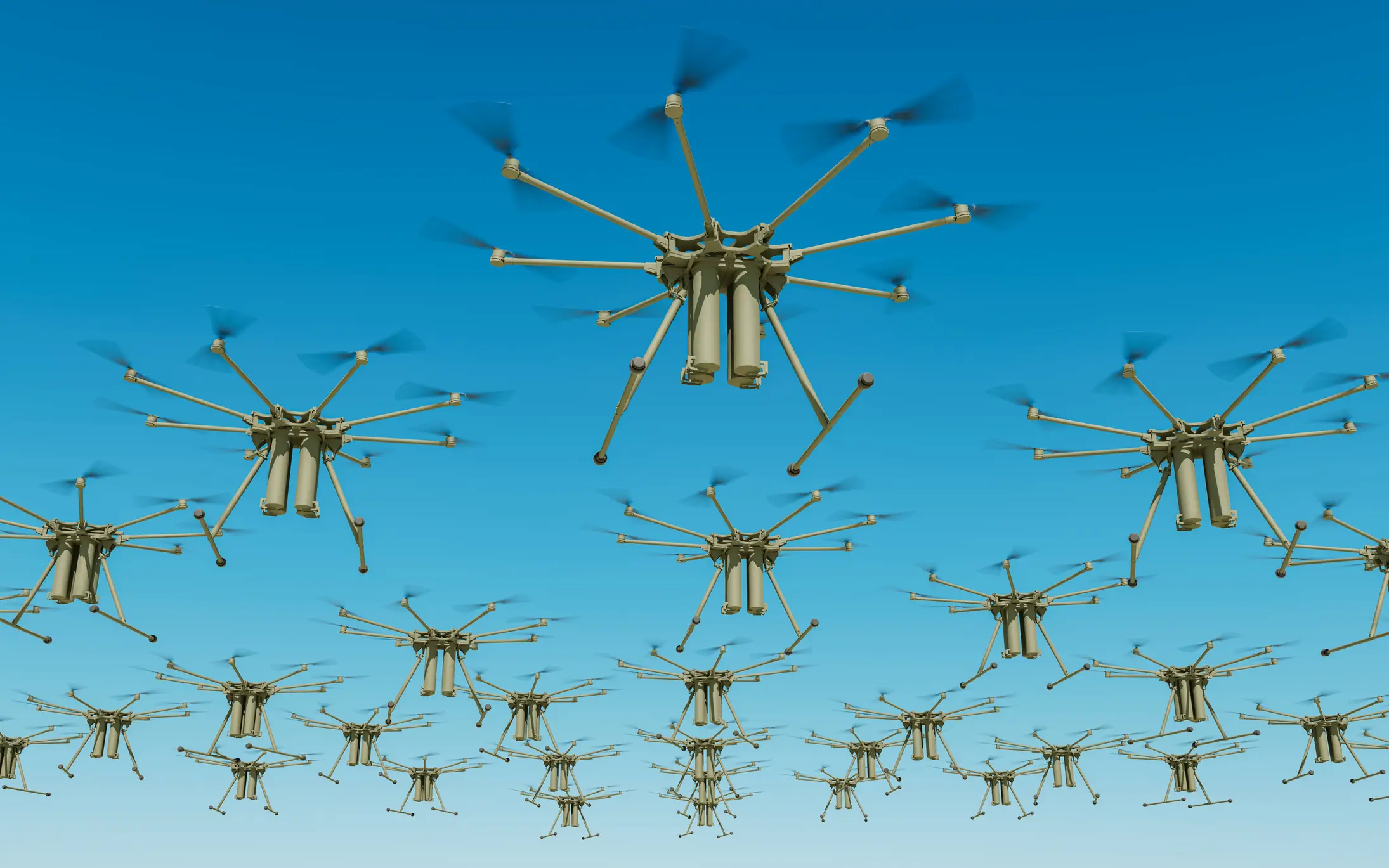
Critics of this method have cited that there is a risk of mistaking civilians for soldiers or even misidentifying friendly forces.
When these mistakes happen, it also throws into question who is accountable for the action as international law is based around human responsibility.
Meanwhile, some people object on principle, with their argument being that deciding to kill a human should always involve human judgment, regardless of how accurate the technology becomes.
Organizations such as the International Committee of the Red Cross and various arms-control groups have argued for restrictions on fully autonomous weapons for this reason.