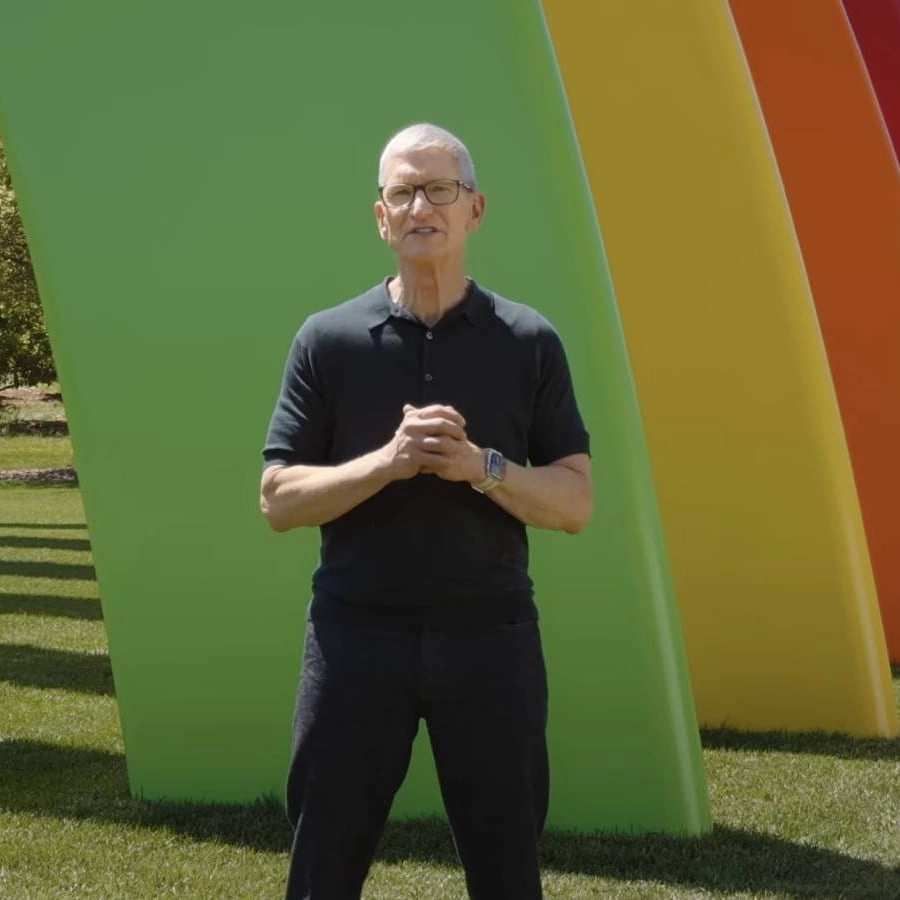
Apple stocks take a tumble following WWDC's 'disappointing' Siri AI reveal


It's been a wild year for Apple, but as June 2026 rolled around, it's easy to forget that it's been 12 months since the last Worldwide Developers Conference (WWDC).
Apple has faced a lot of change, and although it's successfully navigated Donald Trump's threat of imposed trade tariffs by vowing to build big in America, it's also transitioning into a new era without Tim Cook as CEO. All of this, and we still haven't gotten the long-rumored folding iPhone Ultra reveal.
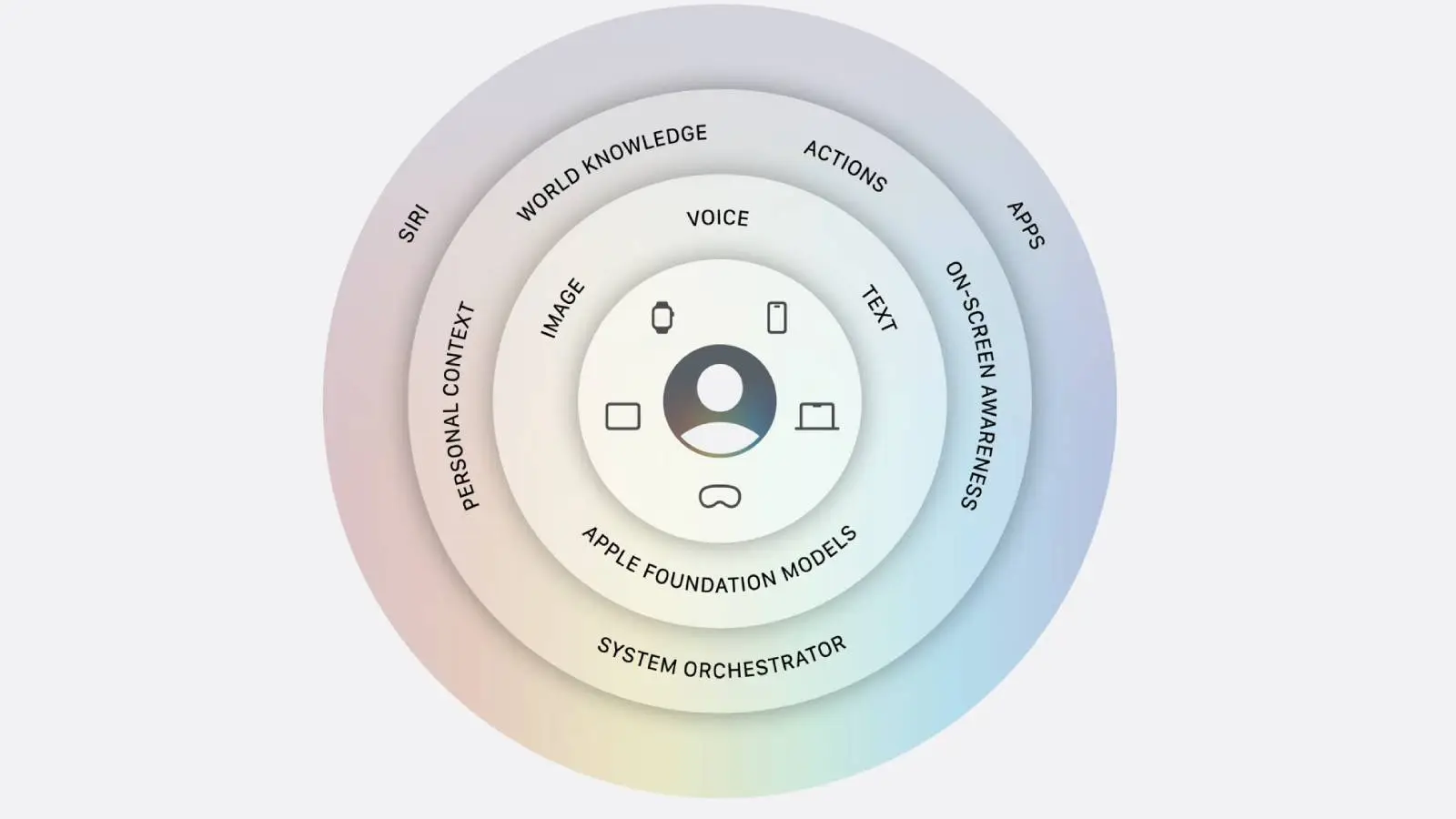
The tech giant has never been far from the news, not least due to a $250 million payout over claims it 'lied' about the reveal of its AI-powered Siri. WWDC changed all of that, as Siri AI was finally confirmed for imminent release, some two years after it was first announced.
While you might think Apple stocks would be booming in the aftermath of WWDC, it seems the opposite has happened.
What happened to Apple's stocks after WWDC 26?
Advert
Looking at the tech stocks, Yahoo Finance noted that Apple stocks dipped by 1% following WWDC. In fact, they dropped by nearly 2% and closed at $301.54 after the WWDC 2026 keynote. Considering Siri AI has been such a hotly contested topic and is clearly a big part of Apple's future, it's disappointing to see stocks go on a downward trajectory. Deepwater Asset Management's Gene Munster gave his own thoughts on what's going on, blaming a "buy the rumors, sell the news" mentality.
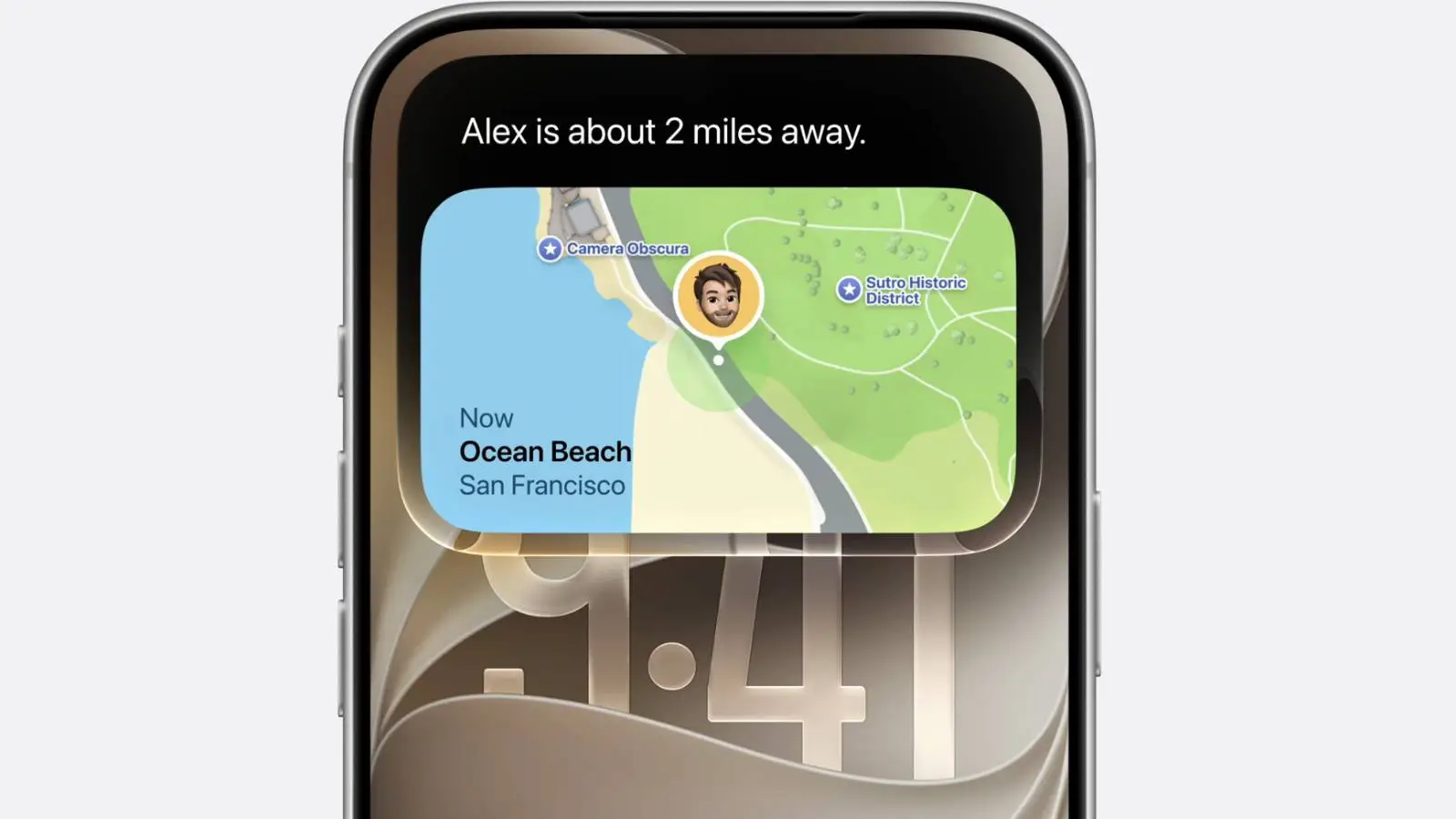
Munster added: "Keep in mind, it’s still a demo, they overpromised with demos two years ago. That said, if they deliver what they showed today, it will drive hardware sales. The reason is the key improvement is personal context and allows more ways to get things done."
Supporters suggest that if Apple can pull it off, Siri AI could be the most user-friendly AI on the market, but that's a big if.
Importantly, stocks seemed to fall because there's no concrete timeline for Siri AI, with a simple mention of 'fall 2026'. Even then, there's another stumbling block in the form of regulations stalling Siri AI's rollout in China and the European Union.
In general, there were complaints that this year's WWDC was 'disappointing', again reminding us of last year's backlash over Liquid Glass. Ironic that Liquid Glass got its own revamp at this year's showcase.
Apple stocks could boom in 2026
According to 24/7 Wall Street, this might be a temporary blip, with the long-term outcome being much brighter. This comes as Wedbush's Dan Ives suggested WWDC could lead to Apple adding between $75 and $100 per share: "They basically ripped the Band-Aid off and now we're here and it comes down to monetization."
Similarly, Morgan Stanley's Eric Woodring suggested this is "the chance to reframe Apple as an AI winner," as targets range from $365 to over $440 per share. Morgan Stanley's target made an impressive jump from $330 to $360 after WWDC.
This comes as Apple recorded a $111.18 billion Q2 FY2026 revenue, which is up 17% on the previous year. Demand for the iPhone 17 peaked with a March-quarter record that earned $56.99 billion from iPhones alone.
It's noted that Apple has put a beefy $1.6 trillion on its market cap in the past 12 months and soared by 52%. More than this, a shift into artificial intelligence could add a lucrative revenue stream, as 20% of the world is expected to access AI via Apple devices.
Jeremy Phillips gave a warning to wannabe investors and Apple stalwarts alike. Looking ahead, he said: "You should be bullish on Apple IF you believe Cook's team can convert 2.5 billion devices into a real consumer AI subscription engine."
On the flip side of this, he concluded: "You should stay cautious IF you think third-party model dependencies (Gemini, Anthropic) and EU and China geographic exclusions cap the addressable market."