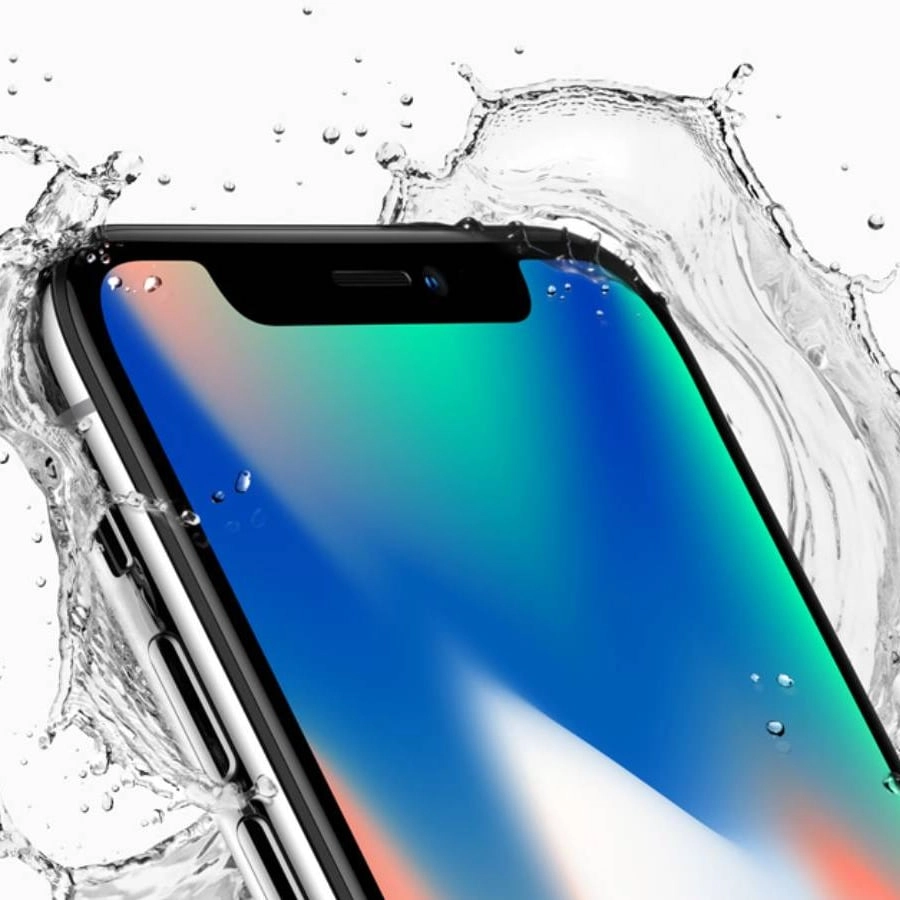
Rumored iPhone Ultra could see revival of iconic feature missed by millions for almost a decade


At this point, it seems more a case of when (not if) the folding iPhone is going to be released.
There's been plenty of buzz about Apple moving into the foldable phone market, and while Samsung has been doing it since 2019 with the Galaxy Fold, rumor has it that Apple has been struggling to nail the tech.
Rather than pushing out a subpar product, it's said that Apple's elves have been tinkering away to ensure the rumored iPhone Ultra isn't another flop like the Apple AirPower.
We've had recent design leaks of the folding iPhone, which got a less than warm reception. There remain questions about how you'll even get into the damn thing, with Face ID seeming like a bit of a stumbling block for this next generation of iPhone.
Advert
Thankfully, Apple might have a solution for that as it dusts off a forgotten feature.
iPhone Ultra could bring back a forgotten feature
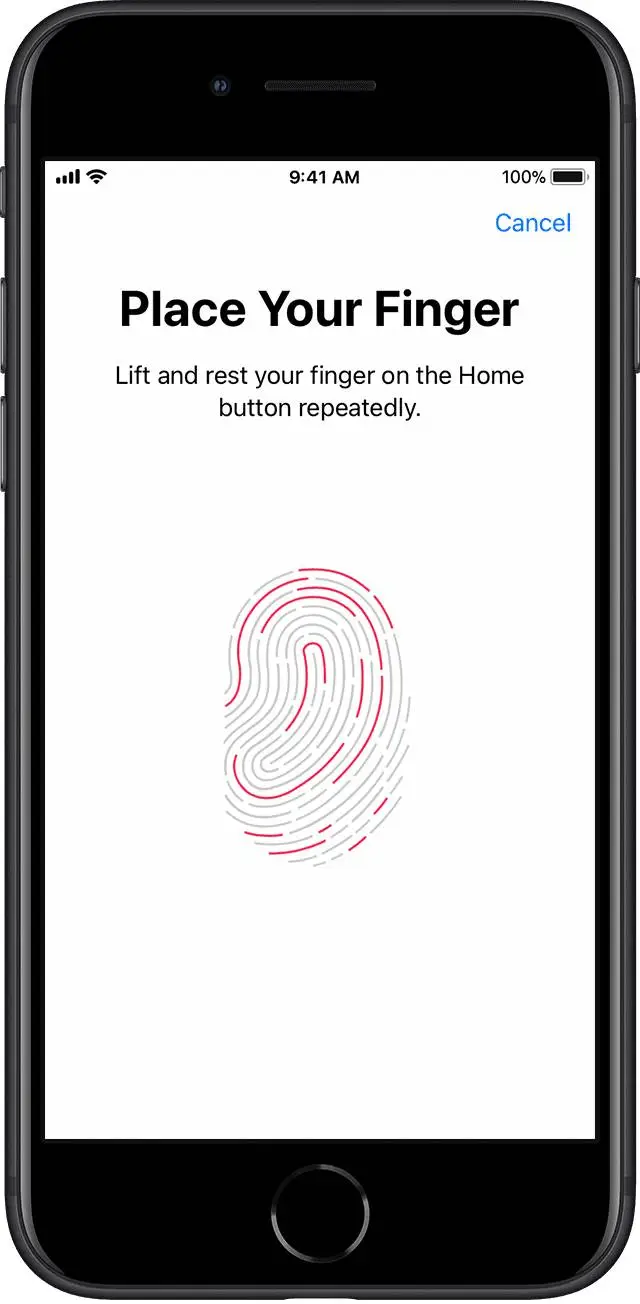
As noted by Phone Arena, most Androids come with face, pattern, and fingerprint unlock to help us get into our devices. Apple opts for face and passcode unlocks, although it did used to offer a fingerprint option via Touch ID. The introduction of the iPhone X in 2017 saw us shift to Face ID, and we haven't really looked back since.
Budget devices offered Touch ID until the iPhone SE 2 in 2020, then fully abandoned the idea with the iPhone SE 3rd Generation in 2022.
According to leaked specs from 2025, the iPhone Ultra will be just 4.5 to 4.8 mm thick when unfolded.
Although this fits the credentials of being thinner than rivals on the market, it comes with the problem that it's likely too thin to cram all the necessary Face ID components into such a petite frame.
This ultimately shouldn't be too much of an issue, and if we've got rid of all the Face ID gubbins for a Touch ID in the power button, that leftover space could be used for something more useful like a bigger battery.
What do we know about the iPhone Ultra?
There's plenty out there about the Ultra, but as the phone hasn't even been confirmed yet, take it all with a pinch of salt. Notably, the idea that it's called Ultra instead of 'Fold' fits with Apple's more premium products, like the Apple Watch Ultra, being named this way.
As you can imagine, that'll likely come with an equally premium price tag, with the iPhone Ultra tipped to start at $1,999. If it's announced at something like WWDC, it would also fit the brief that the world's first folding iPhone would release alongside the iPhone 18 in September. Of course, others think it will be saved until the iPhone's 20th anniversary in 2027. We'd guess the former is more likely.
On to other matters, the Ultra is obviously looking like it'll open like a book instead of a clamshell design, meaning it'll work more like a classic iPhone. Elsewhere, there will likely be a souped-up A20 chip and a 5,000–5,500mAh battery. Remember that folding phones have more screen to power, so that impressive battery doesn't mean you'll get much more juice.
There are also quibbles over a potential dual rear camera instead of a triple-camera setup. If this is the case, you might have to decide whether you want the photography prowess of the next Pro Max, or the novelty of a folding iPhone.
The jury is out on whether you should stump up for the iPhone 18 Pro Max or take a gamble with the iPhone Ultra, but for those who want to dip into Apple's signature style of experimentation, the latter is sure to fly off shelves.