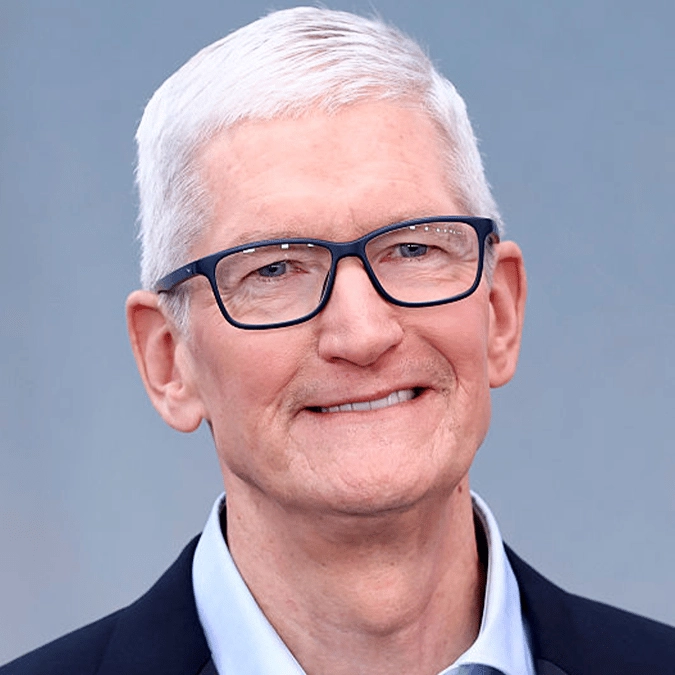
Exactly what Tim Cook's new role will be as he steps down from Apple CEO title


Few names are as synonymous with modern technology as Apple, and few individuals have shaped that legacy as profoundly as Tim Cook.
Since taking over from the late Steve Jobs in 2011, Cook has steered the company through a period of extraordinary growth.
Now, the chapter is coming to a close as the tech company’s longtime chief executive will transition to the new role of executive chairman of Apple’s board of directors on 1 September 2026.
Why is Tim Cook stepping down as Apple CEO?
While no single reason has been given for Cook's decision, the official Apple statement frames it as part of a long-term succession plan.
In his own words, the new move carries no bitterness.
Advert
"It has been the greatest privilege of my life to be the CEO of Apple and to have been trusted to lead such an extraordinary company," explained Tim Cook following his announcement.
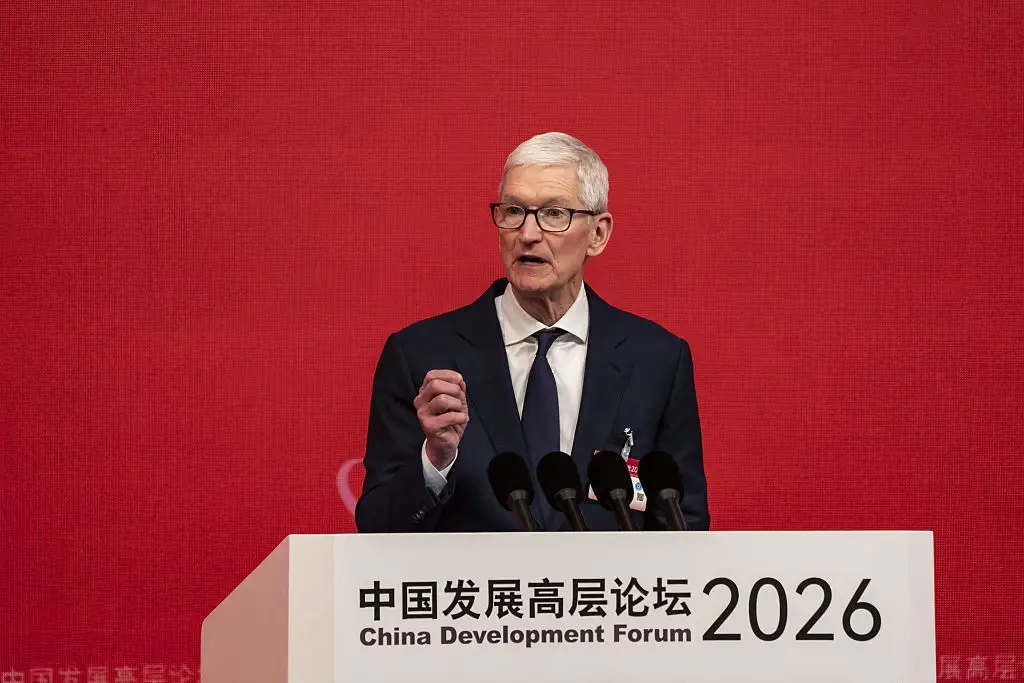
"I love Apple with all of my being, and I am so grateful to have had the opportunity to work with a team of such ingenious, innovative, creative, and deeply caring people who have been unwavering in their dedication to enriching the lives of our customers and creating the best products and services in the world."
Under his leadership, Apple's market value grew from around $350 billion in 2011 to $4 trillion today, partly due to Cook's strategic shift away from hardware-driven revenue to services and subscriptions.
What will Tim Cook's new role look like?
Cook is not leaving Apple entirely. As executive chairman, he will remain involved at a senior level, focusing on corporate governance and engaging with policymakers worldwide.
In the months between now and September, he will work closely with his successor to ensure a 'smooth takeover.'
Who is the new CEO of Apple?
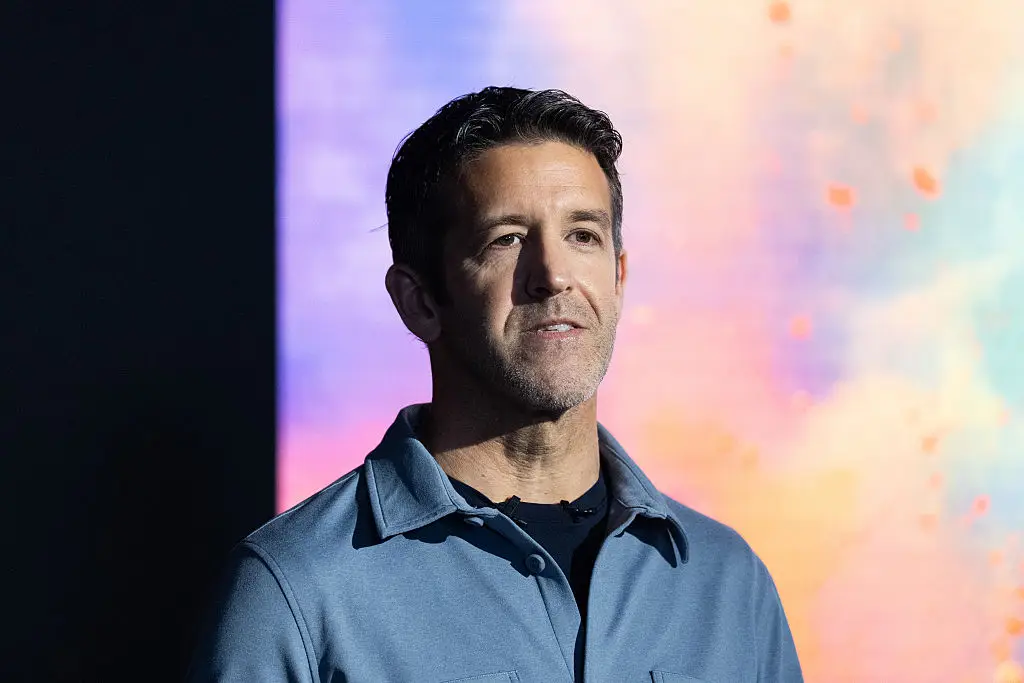
Taking Cook's place is John Ternus, who is currently Apple's senior vice president of hardware engineering and will likely receive an eye-watering paycheck as a welcome to his new role.
A 25-year veteran of the company, Ternus joined Apple in 2001 and has spent the decades since overseeing some of its most iconic product lines, including multiple generations of the iPhone, iPad, AirPods, and Apple Watch. He became vice president of hardware engineering in 2013, before being elevated to senior vice president in 2021.
Where Cook built his reputation on operational excellence and financial strategy, Ternus's skills are more technical and product-based.
He spearheaded the launch of the affordably priced MacBook Neo, the impressively thin yet robust iPhone Air, and led the development of an industry-first active noise cancellation feature for AirPods.
What challenges does Apple's new CEO face?
Ternus takes a leadership role at a time when Apple faces several pressures that a stronger product focus may help address. Rivals like Google and Microsoft have been moving aggressively into cloud-based AI, leaving many to perceive Apple as lagging.
According to The Conversation, consumers are upgrading their devices less frequently, which means Apple needs more compelling reasons to drive demand.
Ternus is expected to pursue a balance between reinvigorating Apple's hardware offering and maintaining the services revenue model that Cook built.