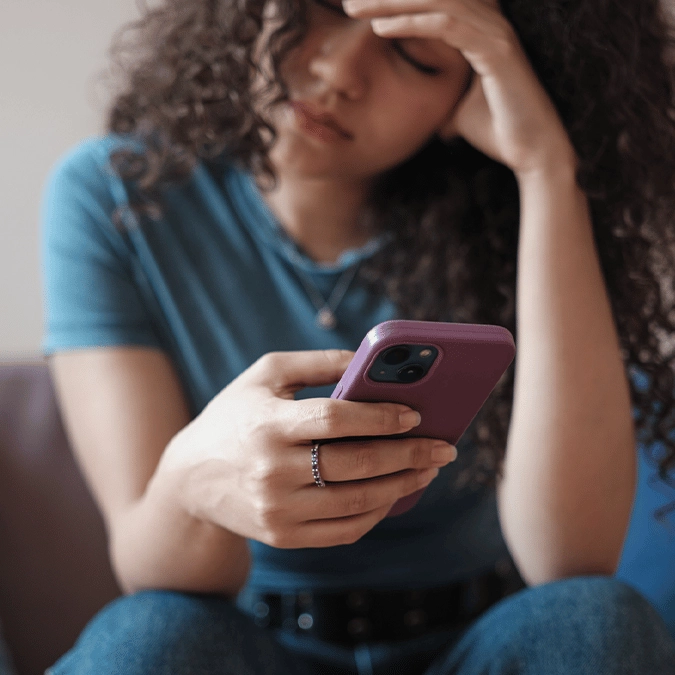
Social media curfew issued to millions of teenagers that will disable key features

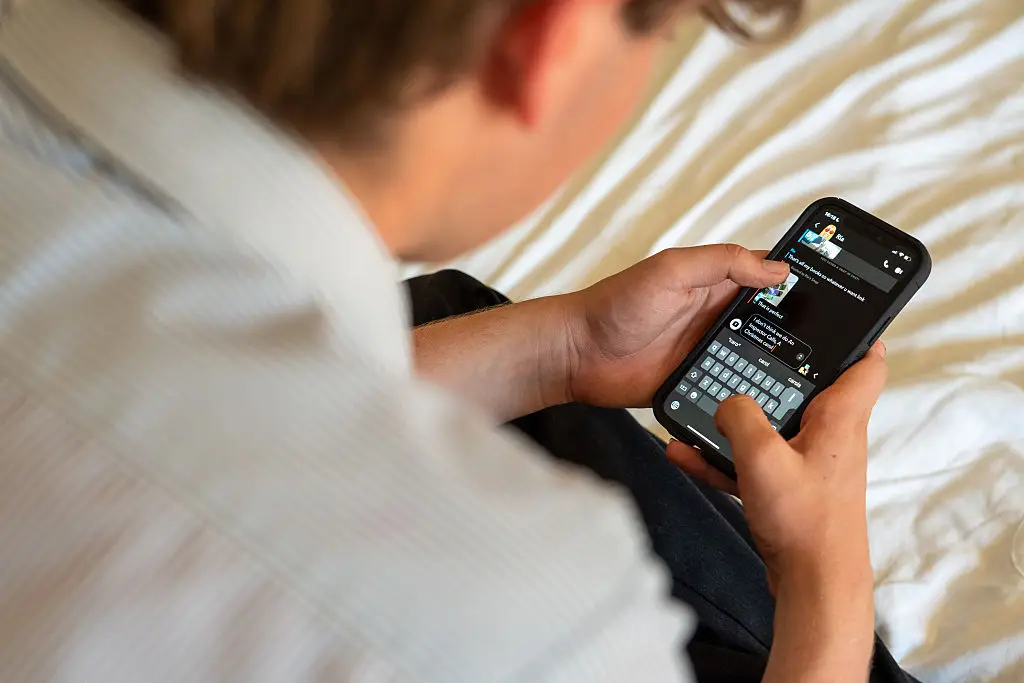
There are continued concerns about how much time children are spending online, and while that's been an issue since mobile phones first started taking over school playgrounds like an electronic plague, this has since grown to larger worries about what they're able to access.
For those of us who are a certain age, the popularization of mobile phones largely meant playing Snake on your lunch break or playing with polyphonic ringtones.
The social media boom of Facebook, Instagram, and TikTok has led to concerns about what youngsters are being shown online, leading to countries around the world issuing their own social media bans.
Now, one major country is poised to become stricter than ever.
The United Kingdom set to tighten social media restrictions
Advert
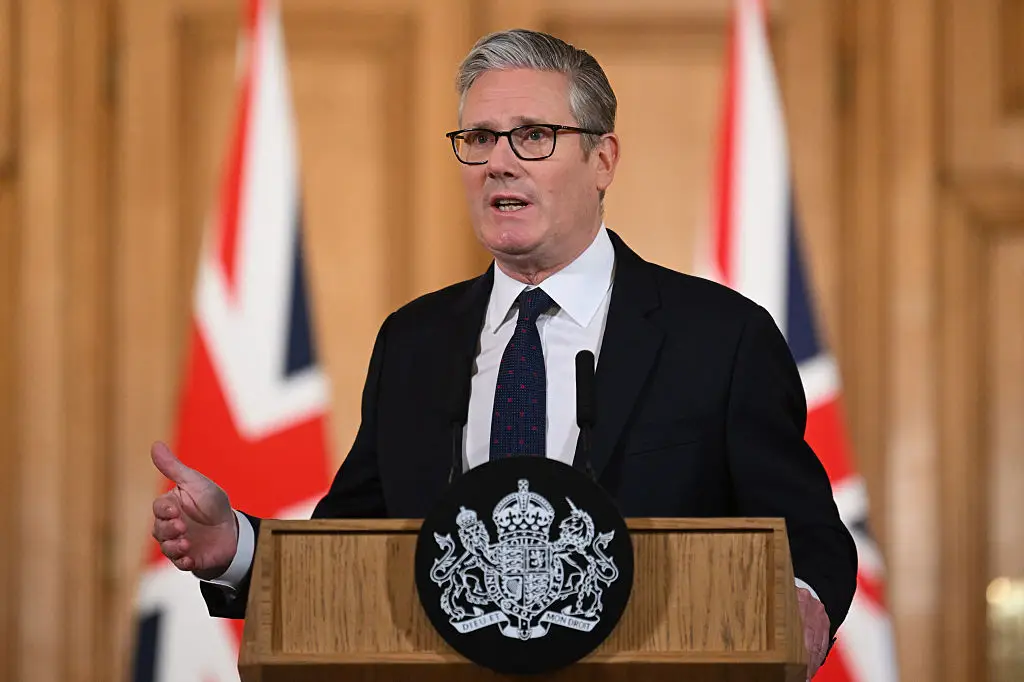
After Australia issued the world's first social media ban for under-16s, the United Kingdom soon followed suit as Sir Keir Starmer issued his own ban ahead of a spring 2027 rollout.
The UK already clamped down on X-rated sites, with backlash from the general public and companies alike. Although many applauded the government for trying to protect children from potentially harmful materials, Pornhub clapped back and decided to pull its services instead of complying with the new age verification procedures.
In terms of the social media ban, Sir Keir Starmer’s final act as Prime Minister sees him introduce a voluntary overnight curfew for 16 and 17-year-olds. Starmer has suggested that apps like Instagram and TikTok will be disabled by default between the hours of midnight and 06:00.
'Addictive' features such as autoplay and infinite scroll are also under fire, with the curfew supposed to improve the sleep and focus of teenagers who might be scrolling their way through the early hours of the morning.
As reported by the BBC, Technology Secretary Liz Kendall thinks the measures will be "crucial in helping young people get the sleep they need, focus on school and college, and spend more quality time with family and friends, all of which are fundamental to building a happy, healthy and fulfilling adult life.
"We want young people to enjoy the benefits of technology while having the tools to make the online world a place where they can thrive."
Of course, there have been complaints that Australia's ban 'collapsed' when kids were circumventing the rules, with similar complaints that the UK isn't doing enough.
Starmer's social media curfew will be voluntary
Even though the curfew will be enabled by default, 16 and 17-year-olds (or their guardians) will be able to disable it in their settings. Campaigners don't think Starmer's plans go far enough, with Ellen Roome, a mother who believes her 14-year-old son died during an online challenge gone wrong, telling BBC Radio 4's Today programme: "I just think it's not good enough really just to have a product you can switch off, it's a bit like offering a 17-year-old a bottle of alcohol and then moving it slightly out of arms reach, they can just drag it back in, I really wish they could go stronger and harder on these things."
Conservative Shadow Education Secretary Laura Trott called Starmer's plans a 'dog's dinner' and added: "Either they think 16 and 17-year-olds should be on social media or they don't, but curfews they can simply switch off won't achieve anything."
Despite this, the Department for Science, Innovation and Technology (Dsit) reported that a pilot involving more than 300 teenagers and parents taking part in overnight curfews led to improved sleep and concentration.
Elsewhere, other proposals include demanding under-18s take regular breaks from using chatbots, as well as a crackdown on AI services that offer "dangerous, misleading or unverified mental health advice”, as well as a potential ban on chatbots that are deemed to be a serious risk to children.