
World-first under-16 social media ban collapsed after 85% of kids bypassed it


A new report has revealed that an Australian restriction banning teenagers from using social media, has been totally ignored by most kids in the country.
According to a small study on the impacts of the ban, the University of Newcastle, Australia, found ‘insufficient evidence of any substantive early effects’.
The study, published by The BMJ, however, said it could be around ten years until the full impact of the ban can be revealed.
But according to early figures, eight in ten children polled were able to bypass the age restriction, and it didn’t include false accounts.
Advert
Instead, it found that out of the 408 children aged 12 to 17, 85 per cent were using their own accounts three months after restrictions were introduced in December.
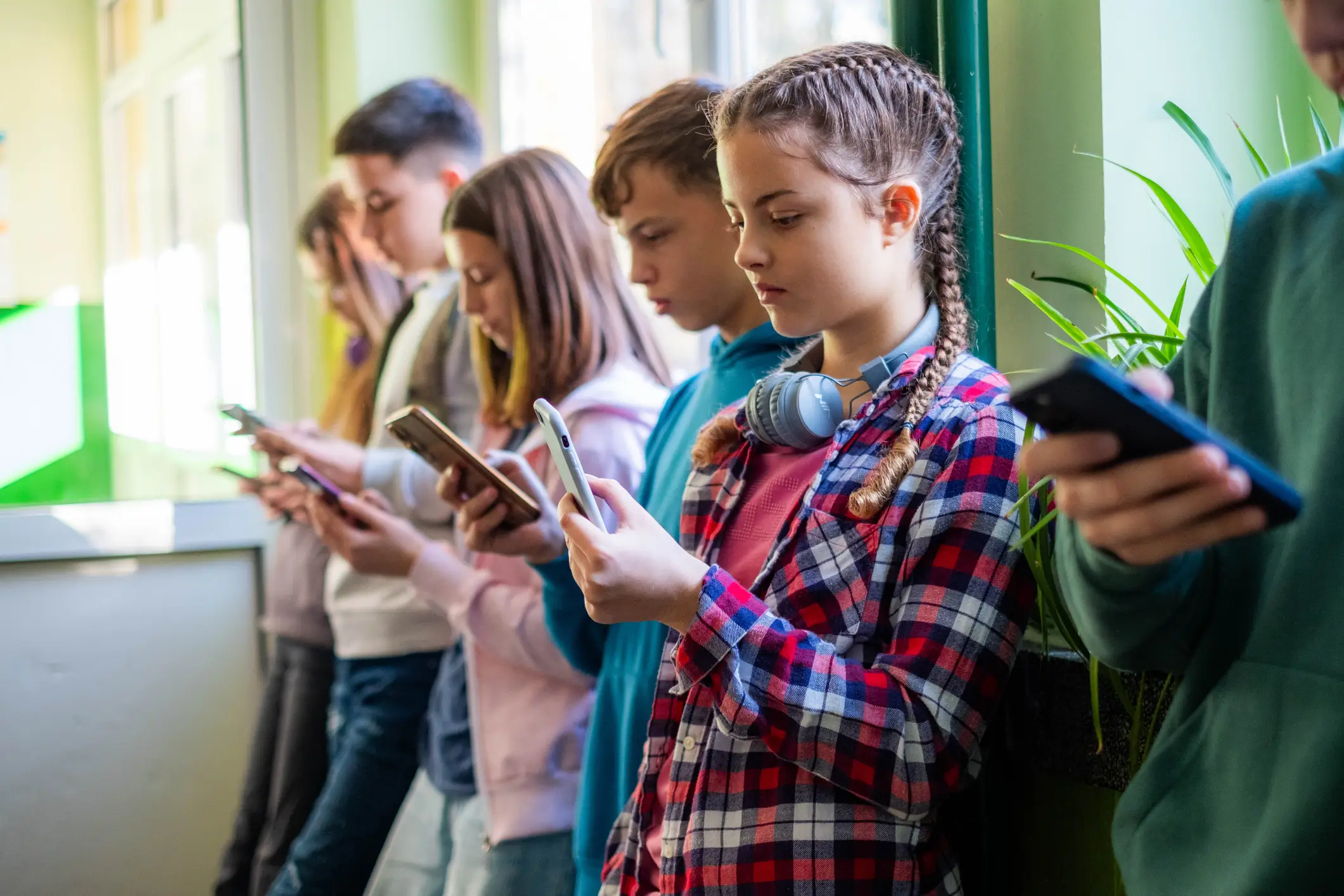
Of those who confirmed using social media, two thirds said they had to either self-declare their age as part of a verification process, or upload an image.
A minority went on to confirm getting around the restrictions via a private browser (10 per cent) and a fifth of those polled set up a fake account.
The researchers explained: “The findings suggest that the period immediately after introduction of the Act was characterised by limited implementation, incomplete compliance, and substantial circumvention of social media restrictions.
“In this context, overall, we found insufficient evidence to conclude that exposure to the Act had any early substantial effects on social media use among adolescents aged under 16 years.”
But despite the less-than-ideal results, the paper explained it will provide ‘key early insights that can guide government refinement and future actions to promote health and wellbeing’.
They said that although there was ‘insufficient evidence of any substantive early effects’ of the social media ban, the ‘potential benefits of the legislative change take time to manifest and often require investment in accountability and education mechanisms to encourage compliance and uptake’.
According to Professor Dennis Ougrin, consultant child and adolescent psychiatrist at Queen Mary University of London, the study should instead be used as an ‘important early reality check for policymakers.’
But as reported by The Guardian, he said it’s ‘too early to conclude that the policy has failed’.
The professor added: “The key question is not simply whether use falls, but whether restrictions improve outcomes such as mental health, sleep, exposure to harmful content, and self-harm.”