The one technical rule that saved WhatsApp from the UK’s under-16 social media ban


As the British prime minister announces a ban of social media for all children under the age of 16, many were left surprised to find out that the likes of WhatsApp and Signal aren't included in the list of prohibited platforms.
Despite being social media apps, the two will get special exemptions for one technical rule - they’re not based around public feeds and algorithmic content.
This morning (June 15), Keir Starmer spoke to the press claiming that children will be ‘given back their childhoods’ in his move to ban social media.
UK bans social media for under 16s
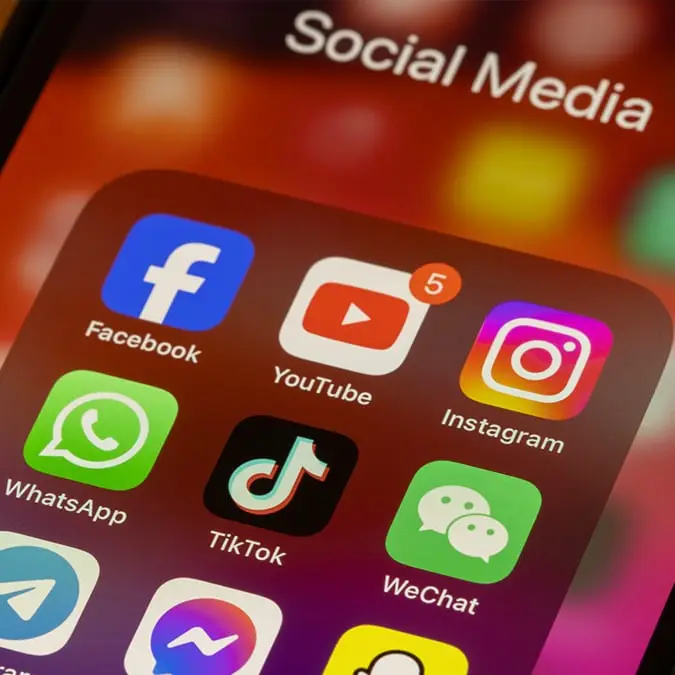
This ban will include Facebook, Snapchat, Instagram and X, formerly Twitter as the government confirmed the new law will impact apps ‘whose purpose is to enable social interaction and which allow users to post material, alongside algorithms’.

Advert
In his statement, Starmer cited the ‘addictive’ nature of social media as part of his decision, with features that ‘lock you in for hours’.
The UK prime minister also shared concerns for the mental health of children, saying that social media platforms make it ‘easier for bullies to harass and abuse’ kids online.
While it has not yet been confirmed how this new law will be enforced, Starmer has said that his government needs to ‘harness the power of technology to build a stronger, fairer Britain’.
Why is WhatsApp not included in the social media ban?
The likes of WhatsApp and Signal have escaped the ban due to the fact that they are technically messaging apps rather than social media platforms.
Signal previously voiced concerns about the new privacy measures in their own statement, which read: “Children deserve to be safe, protected, and nurtured. They do not deserve surveillance, funding cuts, and cover-ups. Children also deserve their human right to privacy, as does everyone. The UK government’s demand that all content on all devices sold or used in the UK be scanned on the presumption of nudity, using a dystopian combination of age verification and content scanning, will not safeguard children.
“It endangers us all, whilst strengthening Apple, Google, and Microsoft's market dominance and their control over our most personal information. Forcing all UK residents to prove their age and/or have all their content scanned, simply to exercise their fundamental right to communicate, is a perilous proposition.

“We know that mass surveillance and censorship capabilities, however sincere-sounding the promises of those who initiate them are, never remain narrowly scoped. Once created, they will be expanded, forming a dangerous tool that will be wielded both in the UK and abroad to censor and surveil whatever they might consider ‘threats’ or ‘harmful content’.”
UK Technology Secretary Liz Kendall said: “Tech companies have had countless opportunities to keep children safe, yet they have failed to act. That is why we are taking power away from the tech giants and putting it back in parents’ hands.
“My driving force has always been to give every child, from every background, the best possible start in life. That is what these regulations will deliver.”