
'Project 2029' plan calls for total social media ban for American teens


A group of Democrats has drawn up a new policy plan aimed at curbing the power of Big Tech.
The plan, known as Project 2029, is being pitched as a blueprint for the next Democratic presidential candidate. Its backers say it is designed to tackle growing concerns around online safety, social media addiction, privacy and the influence of major technology companies.
Similar to the ban imposed in the UK and other parts of Europe, the proposal aims to stop under-16s from using social media platforms. Supporters argue the measure would protect children from harmful content, addictive design features and the pressure of always being online.

Advert
The proposals sit within an agenda titled "Kids Over Clicks". Alongside the under-16 ban, it calls for new limits on Section 230, the law that shields tech platforms from being sued over what their users post, as well as stronger privacy settings by default and tighter rules on AI chatbots. It would put the United States closer to states like Texas, which has already moved to keep under-18s off social media.
However, critics say the plan appears to take inspiration from Europe’s stricter approach to tech regulation, where governments have increasingly pushed platforms to take more responsibility for user safety, data protection and harmful material.
Robert Winterton of the right-leaning group NetChoice warned against copying the European model.
“The Digital Services Act gives European regulators direct leverage over what platforms let their users say,” said Winterton.
“Importing that approach to the United States would put the government in the middle of speech decisions the First Amendment keeps out of its hands."
That 2022 law requires Big Tech firms to moderate content and protect user privacy. The Trump administration has attacked it as a tool for censorship and for handing out discriminatory fines to American companies, with Donald Trump himself likening those fines to a hidden tariff on US industry. Over the past two years, the European Commission has fined Meta, Google and Apple more than $7 billion between them.
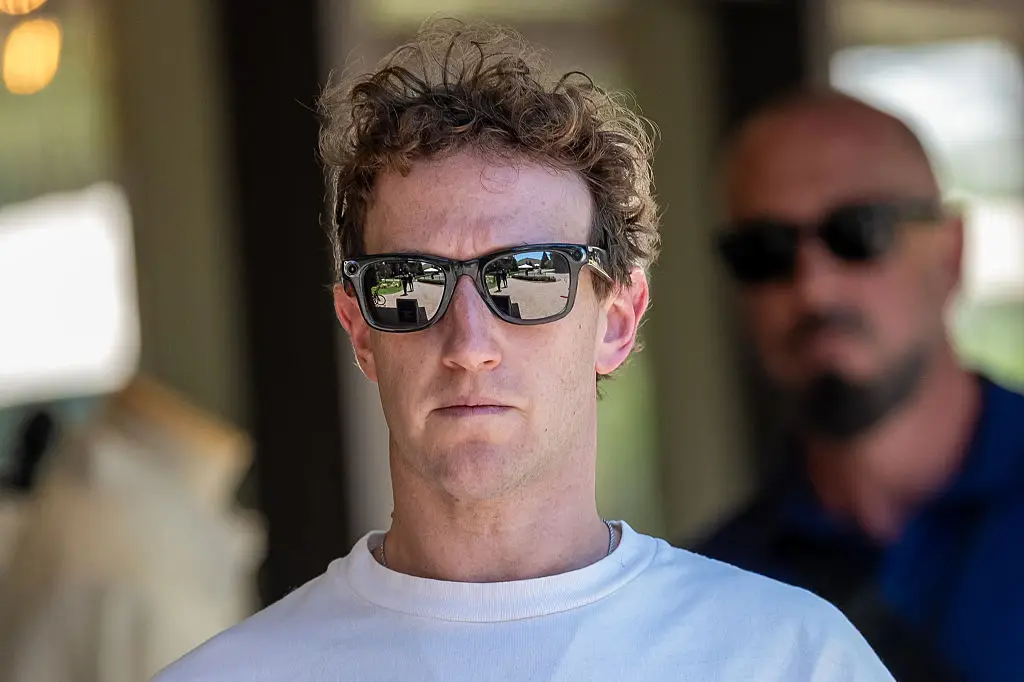
Project 2029 does not openly endorse any European law, and it stops short of the EU's approach of policing misinformation and hate speech with large fines. Its website does, however, note that the EU is one of several places, alongside Australia and the UK, now bringing in age limits for social media. So far the agenda has been backed by likely 2028 presidential contender Senator Cory Booker, New Jersey Governor Mikie Sherrill and teaching union president Randi Weingarten.
Mark Zuckerberg has been among the loudest critics of Europe's fines, telling The Joe Rogan Experience in January 2025 that they felt 'almost like a tariff' and accusing the Biden administration of failing to protect US firms abroad.
“The US government should be defending its companies, not being the tip of the spear attacking its companies,” Zuckerberg said at the time. “When the US government does that to its tech industry, it’s really just open season around the rest of the world.”
Reset Tech’s Bharwani said (via The New York Post): “The next president has the ability to run on these issues and enter the White House with a clear mandate for action and a day-one policy blueprint that they can coalesce congressional leaders around.”