NASA responds after Russia accidentally blew up its only way to send astronauts to space


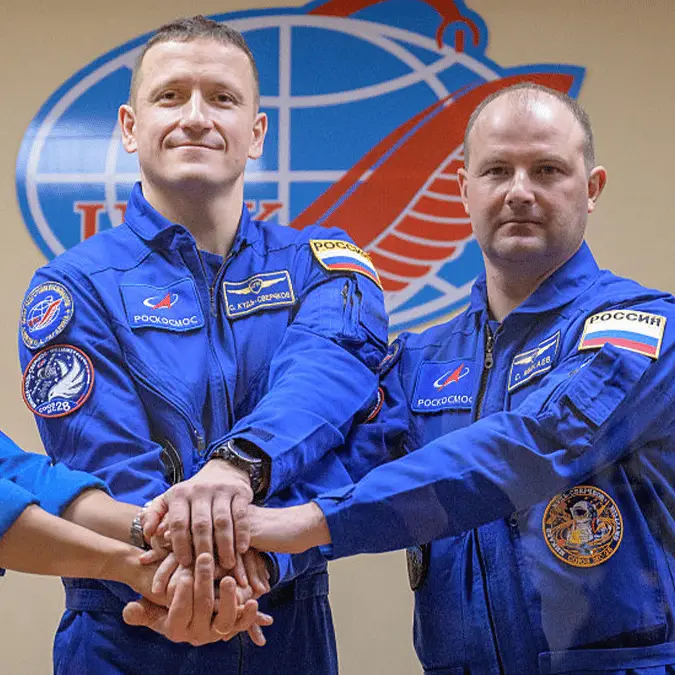
NASA has finally issued a response after Russia's space operations came to a catastrophic halt last week, as the Baikonur Cosmodrome spaceport was 'blown up' – albeit accidentally – following the launch of the Soyuz MS-28 spacecraft last week.
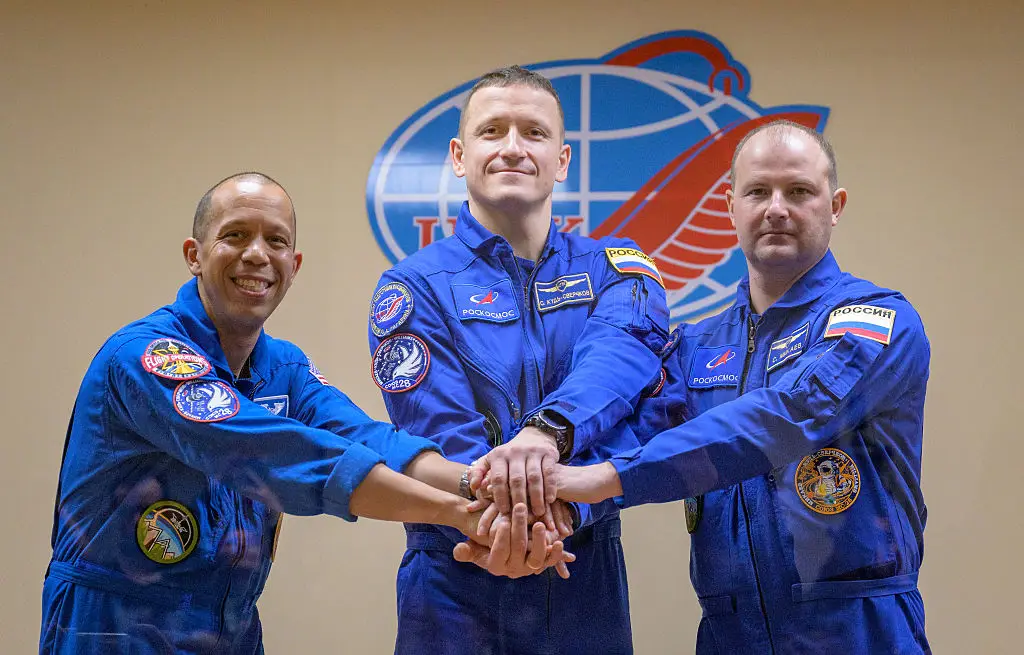
Thankfully none of the three crew members on board the Soyuz flight were left with any injuries, and the launch went off without a hitch on the side of the astronauts, yet the spaceport itself was left in comparatively poor shape.
It appears as if the main issue is found within the launch pad as this was left heavily damaged, presumably from the force of the rocket's thrusters as it took off towards the International Space Station.
The Baikonur Cosmodrome is currently Russia's only active spaceport, and is the only way the government's space agency Roscosmos can send astronauts into outer space, so this is understandably a major issue that needs to be resolved as soon as possible.
Advert
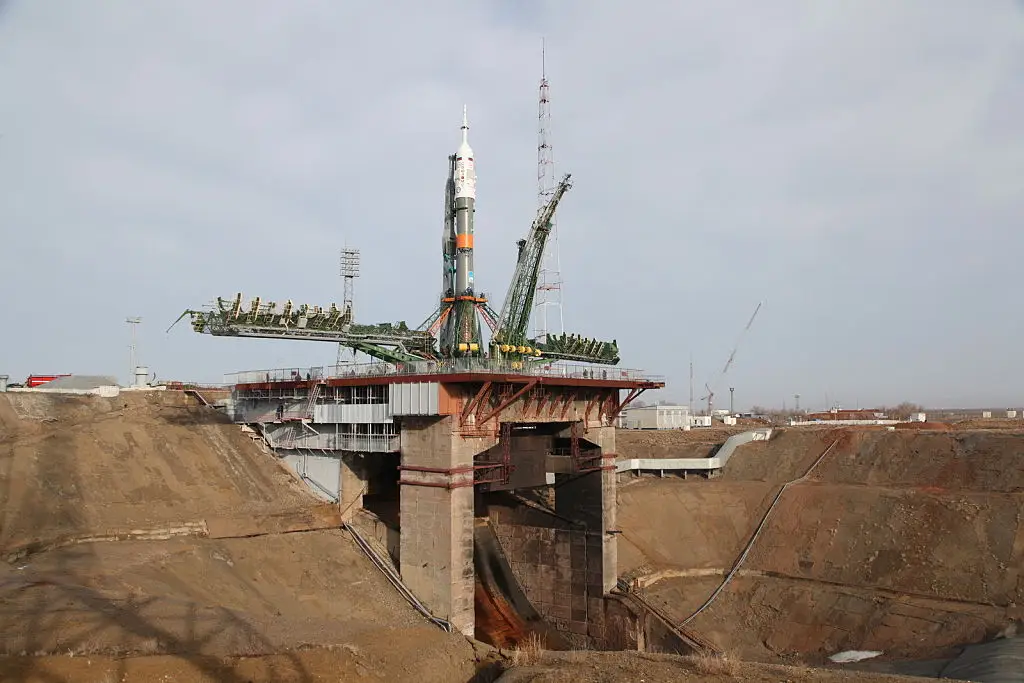
Roscosmos has asserted that "all necessary backup components are available for the restoration, and the damage will be repaired in the near future," but other experts offer contrasting opinions, with some suggesting it'll take months, if not years, for the spaceport to be restored and fully operating once again.
As shared by Futurism, one key aspect of this failure is that NASA astronaut Christopher Williams was on board the Soyuz MS-28 flight alongside two Russian crew members, and it has prompted the US space agency to offer a response of its own.
Despite complicated relations between the United States and Russian governments, NASA has closely collaborated with Roscosmos, which is important considering the lack of crewed-mission launch sites across the world.
"NASA is aware Roscosmos is inspecting Launch Pad 6 at Site 31 following the launch of the Soyuz MS-28 on November 27 from the Baikonur Cosmodrome in Kazakhstan," revealed a spokesperson for the space agency in a statement to Futurism.
"NASA coordinates closely with its international partners, including Roscosmos, for the safe operations of the International Space Station and its crew members."
NASA also thankfully confirmed that all members of the MS-28 spacecraft "safely arrived" at the ISS following the successful launch, although it's unclear whether future missions – including the vital handover procedure – will be impacted by the accident at Baikonur.
ISS protocol makes it so that a crew of astronauts leaving the station must always have a new set to take over from them, ensuring that there's always people on board to maintain operations and exchange knowledge.
Currently, following the incident at the Baikonur Cosmodrome, the only available method that NASA can use to fly astronauts to the ISS is the Dragon spacecraft from Elon Musk's private agency SpaceX, so hopefully we won't end up with another stranded incident in the near future.