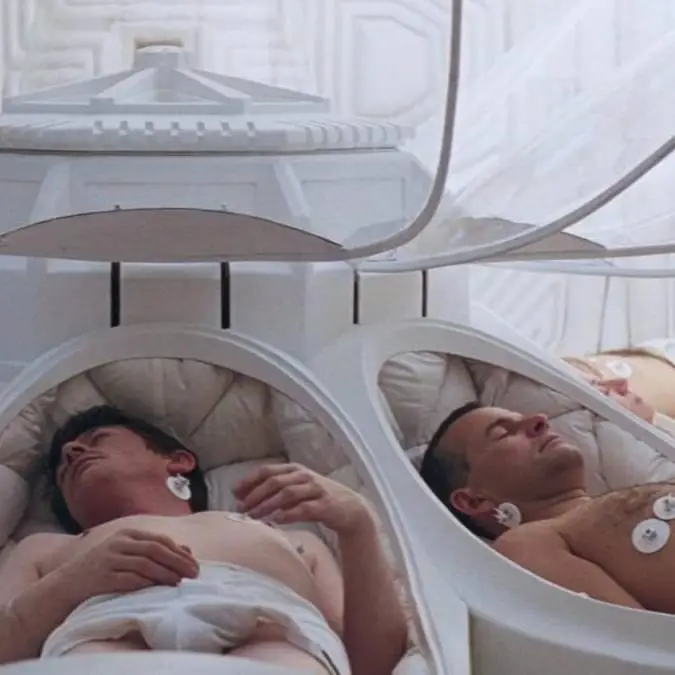
Frozen brains ‘revived’ in major breakthrough that could turn sci-fi into reality


Not that Charlie Brooker and Annabel Jones are exactly short of material when it comes to creating new episodes of Black Mirror, but with one bold experiment sounding like it's been pulled directly from the sci-fi series, the human race looks like it's moving in another scary direction.
The idea of cryopreservation has hit plenty of stumbles along the way, but with this latest development, we expect those rumors that Walt Disney's frozen head is being stored under Disneyland to resurface all over again.
The latest leap has seen Germany's University of Erlangen–Nuremberg successfully bring frozen brain tissue back to life. This was previously a hurdle for scientists, with fluid in the brain turning to ice crystals upon freezing and damaging delicate brain tissue in the process. According to Proceedings of the National Academy of Sciences (PNAS), the team used vitrification, which flash-froze brain tissue in an instant instead of allowing ice to form via slower methods.
Advert
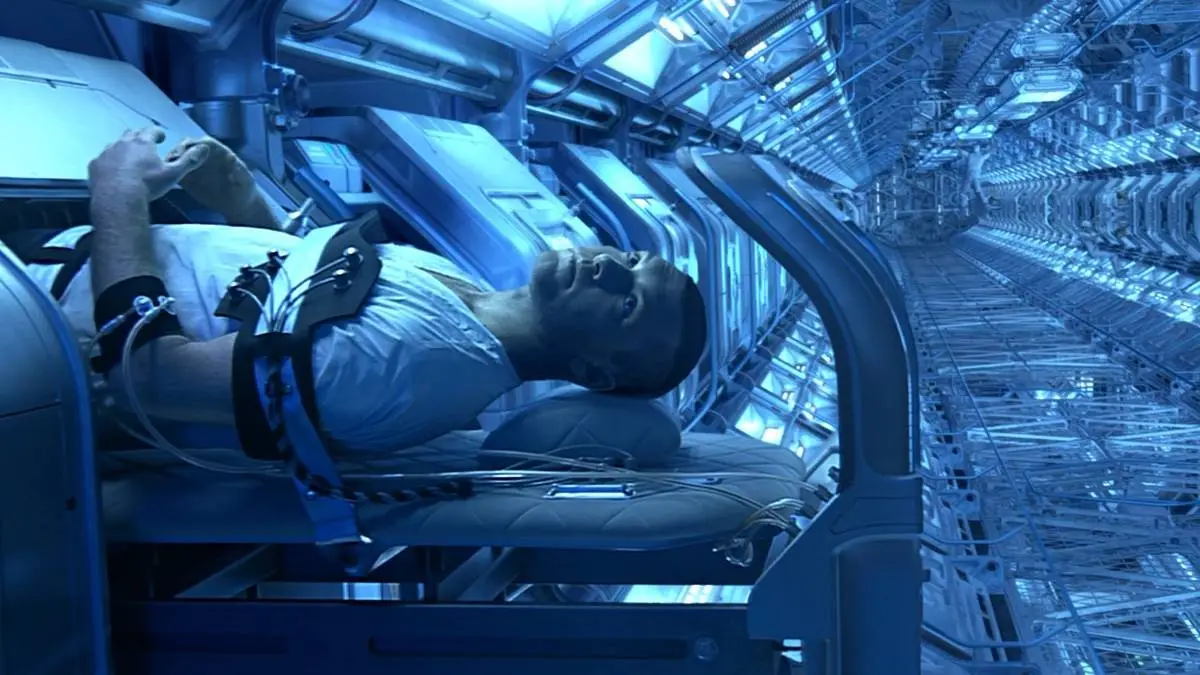
It's said that the liquids around our cells turn into a glass-like state that preserves the structure of the brain's tissue and halts molecular motion. While we're not quite in the realms of 2001: A Space Odyssey or Avatar in terms of human cryopreservation, researchers applied their vitrification method to thin slices of a mouse's hippocampus. This region of the brain is crucial for learning and memory, but after being cooled to a frosty -321 degrees Fahrenheit with liquid nitrogen, they were successfully brought back to life.
Freezing is only half of the process, with a thawing process being equally important. Here, the slices of mouse hippocampus were heated at a rate of 176°F per second in a warm solution.
Microscopic analysis confirmed that the neuronal and synaptic membranes survived freezing and rewarming, while the cells' mitochondria were also functioning normally without damage.
Activity reported from the neurons was near normal when hit by an electrical stimulus, although there were slight differences when compared to the unfrozen control samples. More research is needed to prove that humans could effectively have their brains revived from cryosleep without any lasting damage. After all, the last thing we need are zombified Homo sapiens stumbling around in the year 3000.
Still, there was evidence of long-term potentiation (LTP) that's connected to learning and memory, which suggests that neurons were alive and our complex functional circuitry was still intact.
Speaking to Nature, Mrityunjay Kothari, a mechanical engineer specializing in cryobiology, explained: "This kind of progress is what gradually turns science fiction into scientific possibility."
Then again, Kothari warned that the study is far from proving the technique can work on larger organs or bigger mammals like us mere humans.
More than simply freezing and unfreezing brains, lead author Alexander German added: "Beyond ice, we must account for several considerations, including osmotic stress and toxicity due to cryoprotectants."
There's also the fact that observations of hippocampal neuronal pathways were limited to just a few hours due to the natural degradation of the slices.
The idea of being put into a form of 'stasis' like in Alien seems like it's still a way off, but given what happens in that franchise, that might be for the best.