
Featured Image Credit: Grace Cary / Getty
It has been long understood that eating fruit and vegetables is unanimously good for you, yet a new study has suggested a different approach that could prompt links to a notoriously deadly cancer.
Many people struggle to maintain a balanced diet within their daily life, as sometimes it's easier – and perhaps even cheaper – to go for food that is less healthy and more processed at the end of the day.
These items unfortunately hold a risk of their own, especially when veering into the realm of ultra-processed foods (UPFs), so making sure you're packing as many plants and whole foods into your diet is essential to a healthy lifestyle.
New scientific research has suggested that this might not be as wholly beneficial as you might expect, however, as an alarming aspect of almost every type of fruit or veg could lead to an alarming health risk.
Advert
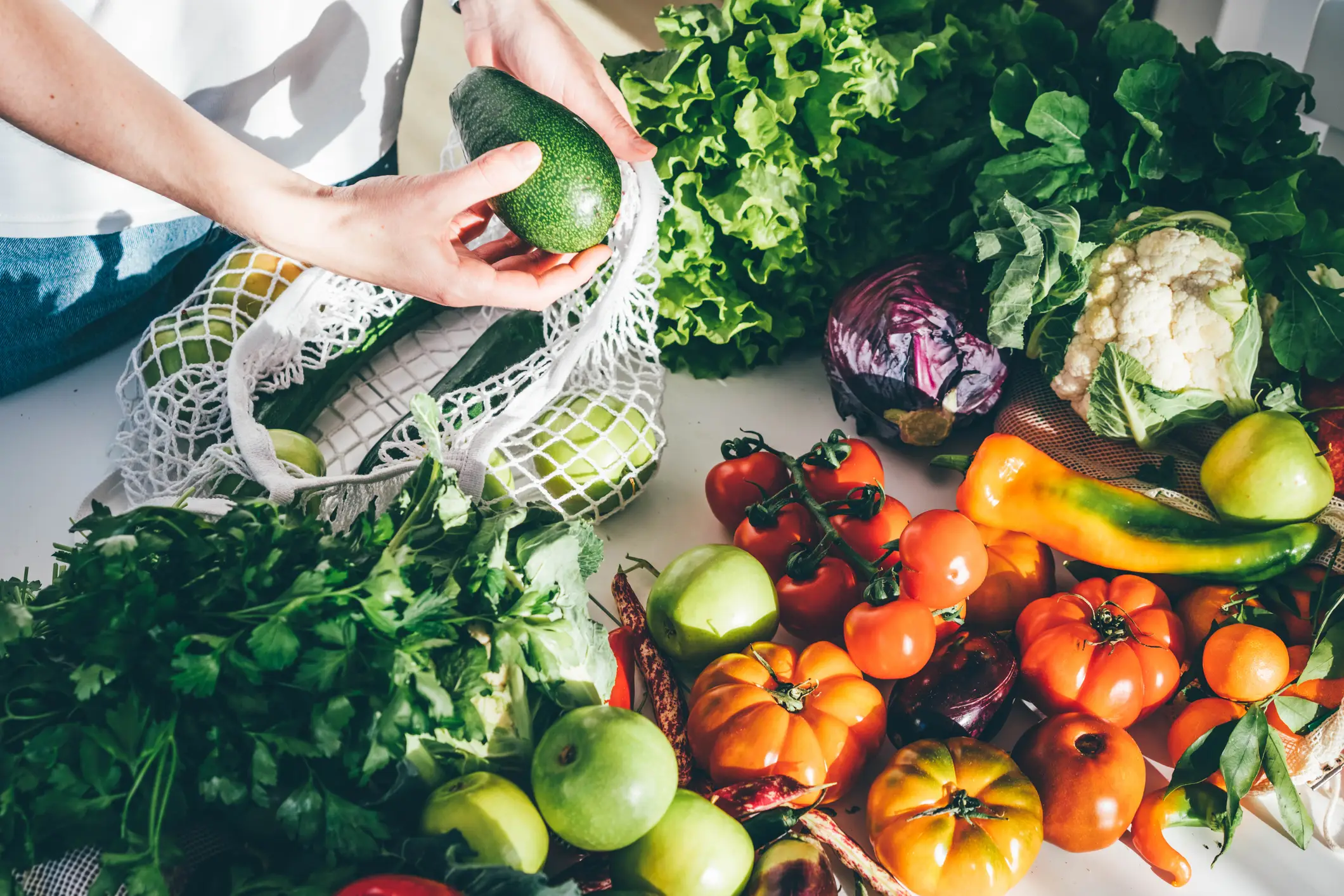
As reported by The Mirror, a number of researchers led by lung cancer specialist Jorge Nieva of the University of Southern California (USC) have launched the Epidemiology of Young Lunger Cancer Project.
This project, surveying 187 patients diagnosed with lung cancer before the age of 50, aims to investigate and establish why so many people younger than expected have developed the often deadly disease.
While lung cancer is typically associated with individuals who smoke – even extending to those who only smoke weed – an alarming number of younger individuals contracting the disease were firmly non-smokers and scored higher on average on the Healthy Eating Index (HEI).
It was then proposed that the alarming link could potentially be between lung cancer and the presence of pesticides on fruit and veg, discovering a seemingly increased risk relative to higher amounts of 'healthy' foods consumed.
Dr Nieva was quick to clarify that further research was needed to properly evaluate both the link and the risk – especially as specific foods haven't yet been tested for pesticides – but it denotes a potentially alarming trend.

What's important though is that you don't stop eating healthily, as this new research doesn't diminish either the positive impact of fruit and veg, nor the downsides associated with traditionally unhealthy food items.
Professor Stephen Duffy, another expert and Emeritus Professor of Cancer Screening at Queen Mary University of London (QMUL), has suggested that there might even be an element of 'reverse causality' in this link.
"That is, people with a diagnosis of a serious illness may make lifestyle changes in response, for example to a more healthy diet," he proposes.
It's certainly something to consider, and he adds that he "would certainly not advise against a healthy diet on the basis of these results."