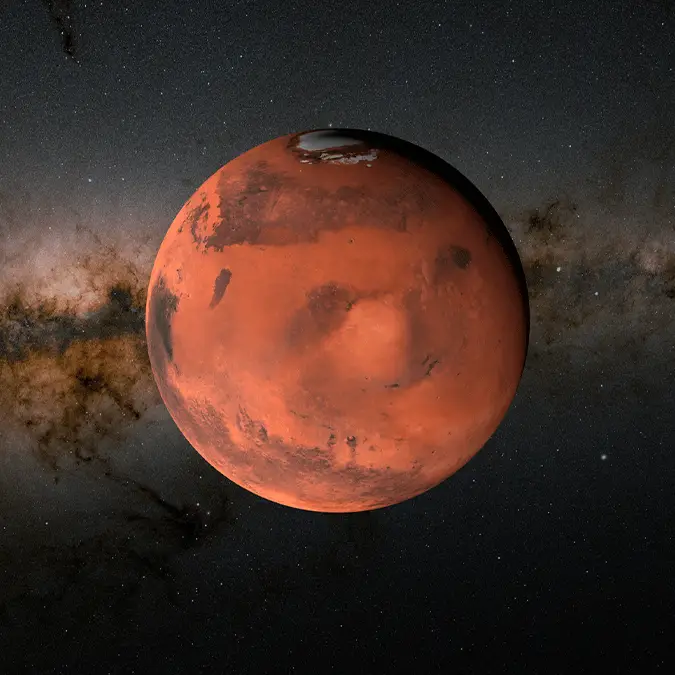
Startup makes major breakthrough in nuclear fusion that could take us to Mars


From the moment Neil Armstrong set foot on the Moon in 1969, the dream of venturing further into the solar system has never really gone away.
While Artemis II is preparing to send humans back to the Moon for the first time in over 50 years, Tesla CEO Elon Musk has made no secret of his plans to put humans on Mars.
Now, a breakthrough in science could mark a huge step towards interstellar travel.
Advert
Bletchley-based start-up Pulsar Fusion achieved the first-ever plasma ignition in a nuclear fusion rocket engine, which scientists and engineers in the field have been working toward for years.
The British team demonstrated the breakthrough during a remote live stream at Amazon’s MARS conference in California, with CEO Richard Dinan describing it as an 'exceptional moment' for his company.
Using a combination of electric and magnetic fields, the charged particles were guided through the startup’s Sunbird nuclear fusion exhaust test system.
Further experiments and upgrades are being planned to improve the system's efficiency as the team pushes toward a fully operational propulsion engine.
Nuclear fusion works by replicating the same reactions that naturally occur inside the Sun, releasing enormous amounts of energy in the process.
Often described as the 'holy grail' of clean energy, it has long been considered one of the most promising and elusive technologies in human history.
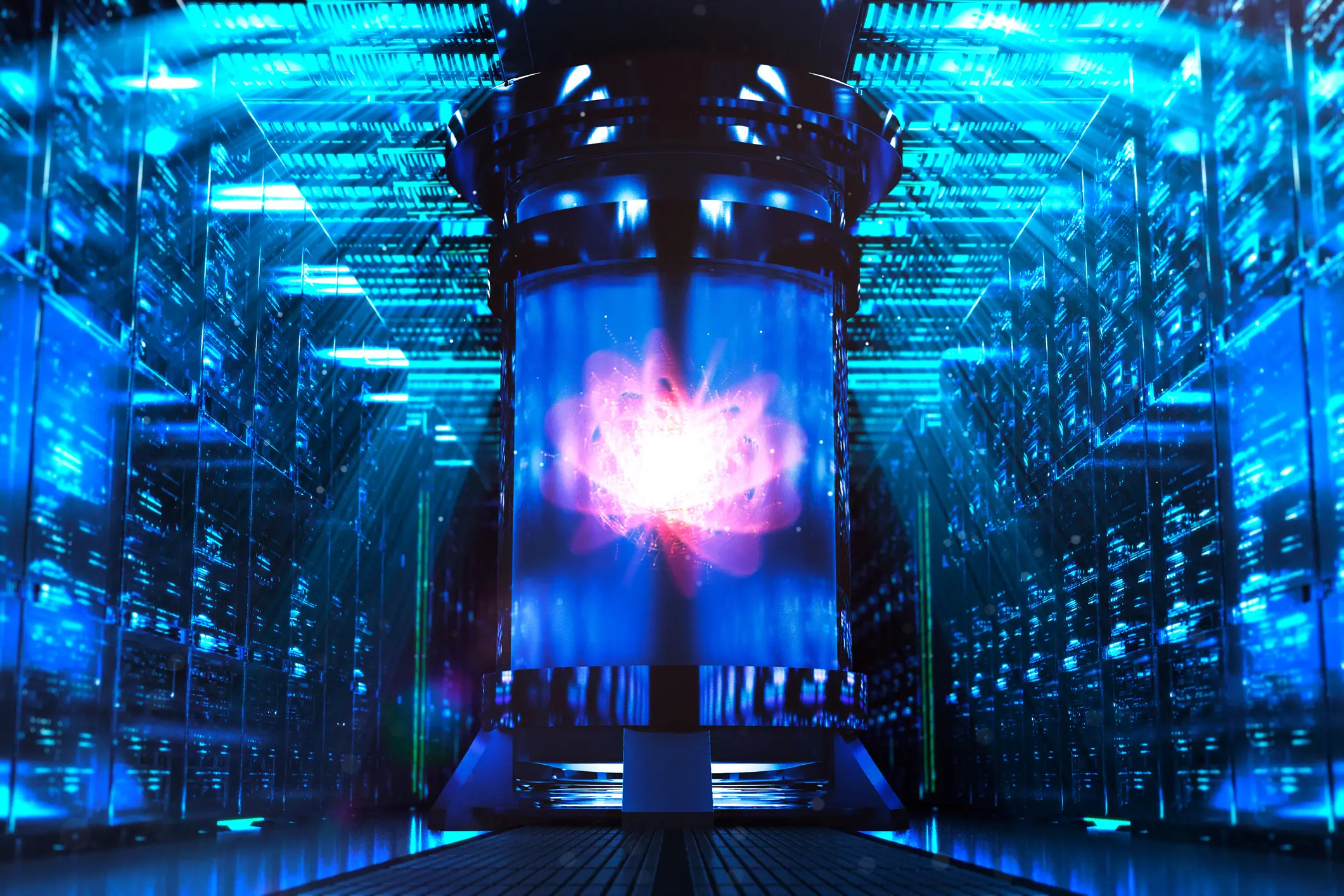
However, containing the generated superheated plasma within an electromagnetic field has proved extremely difficult to achieve on Earth.
Interestingly, the extreme cold and near-perfect vacuum conditions of space may actually make it easier to sustain fusion there than in any laboratory on the ground.
A working nuclear fusion propulsion system could deliver around 1,000 times the power of the conventional thrusters currently used in orbit, with a theoretical top speed of approximately half a million miles per hour (800,000 kilometres per hour).
At that speed, a journey to Mars would be reduced from the current timeframe of several months down to just a matter of weeks.
The shortened travel time would also reduce the health risks astronauts face during long-duration spaceflight, including exposure to space radiation and the damaging effects of extended periods in microgravity.
“With the space economy projected to exceed $1.8 trillion by 2035, faster in-space transport isn't just a scientific goal; it's an economic one,” Pulsar Fusion said in a statement.
Next steps for the Sunbird system include performance testing, superconducting magnet upgrades, and eventually experiments with new fuel cycles as the team works to push the technology toward a point where it could power a real mission.