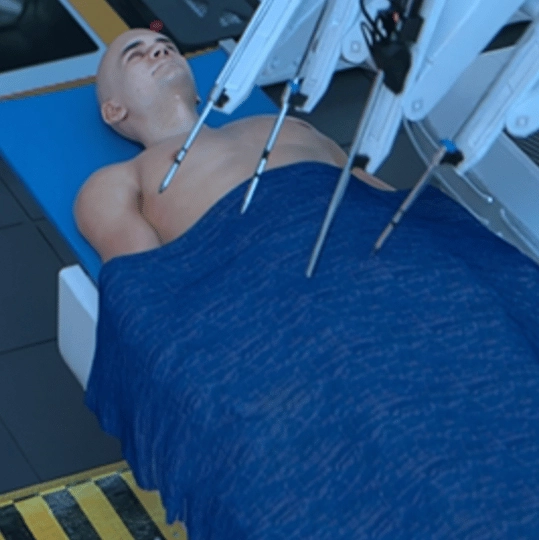
New facility could allow humans to freeze their bodies and outlive an apocalypse


Imagine you could pause your life and wake up in the future.
A new groundbreaking facility could allow humans to freeze their bodies and potentially wake up in the future.
The company behind the project, TimeShift, describes itself as the world’s first AI-powered cryopreservation facility. It combines advanced AI technology with novel cryopreservation techniques.
If this idea becomes a reality, cryopreservation could let those with terminal illnesses 'freeze' themselves until medical breakthroughs come along.
Advert
For example, it could mitigate the progression of neurodegenerative diseases and aggressive cancers and buy time for experts to develop a cure.
Heck, it could even help people outlive an apocalypse just like in Futurama!
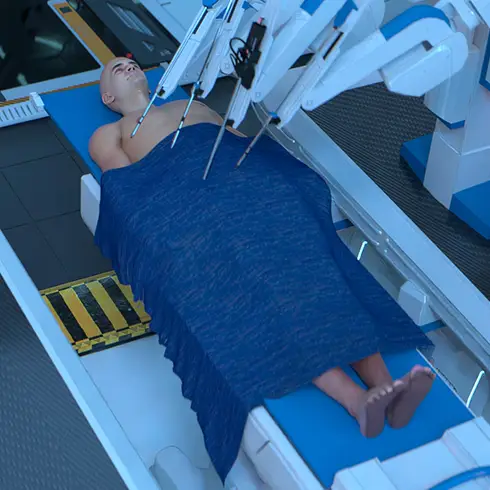
Beyond freezing, AI could allow a digital 'avatar' of the frozen person to interact with their family and friends while their physical body remains in cryopreservation.
The facility is the brainchild of Dr. Alex Zhavoronkov, a generative AI scientist and anti-ageing researcher, and Hashem Al-Ghaili, a molecular biologist.
"The project is still in the R&D phase. The primary focus right now is to continue optimising the cryopreservation process developed by Dr. Alex Zhavoronkov," Al-Ghaili said.
"Once fully optimised, we plan to test it on animal models and proceed from there."
Cryopreservation isn’t new, but traditional methods have struggled with issues like cell damage and 'cell death,' according to Al-Ghaili.
"The new method is designed to avoid this problem. After optimising the process, the next step will involve testing its efficacy and safety."
Whilst the scientist mentioned there is 'no specific timeframe,' he and his team believe they could have a 'functional prototype' ready to go within 5 to 8 years.
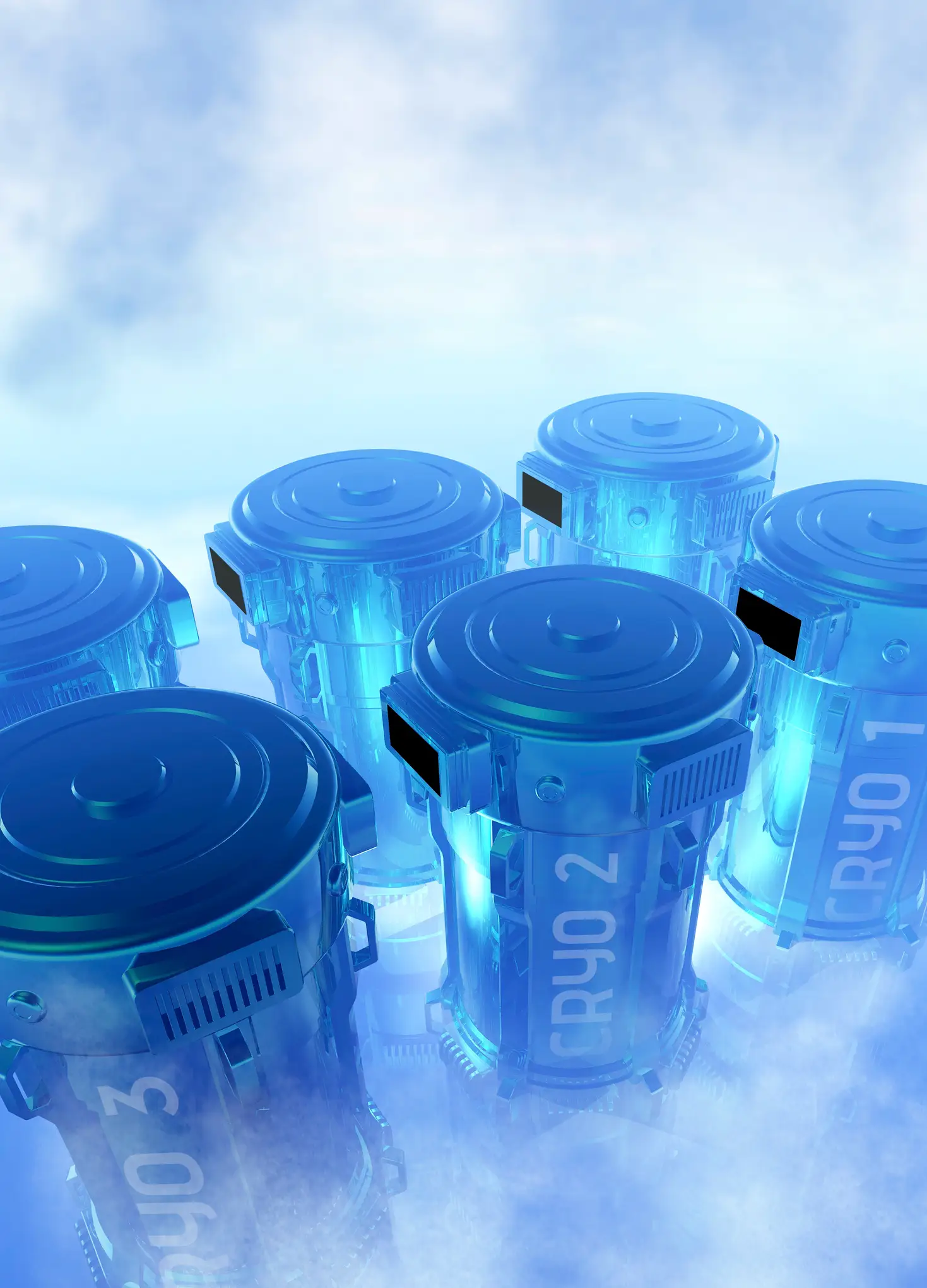
TimeShift’s approach aims to create a faster, safer freezing and rewarming process with 'pre-hibernation enhancements' - and could even allow those frozen to wake up healthier. Bodies will be stored within pressurised cryopods and maintained at a temperature of -196°C.
Dr. Zhavoronkov said: "Over the past 10 years, multiple technologies have advanced in different laboratories around the world, and it is now a matter of multi-parameter optimisation for rapid cryogenic freezing and rewarming protocol.
"Getting to the dream of gaining the ability to see more life is now a matter of time."
Hashem Al-Ghaili added: "By combining AI and cryopreservation, we’re making it possible for families to remain close, even across decades.”
With technology and resources like this, TimeShift has the potential to reshape industries and protect humanity’s future. It may only be in the early stages at the moment but the project is inching close to making a pause in life possible.