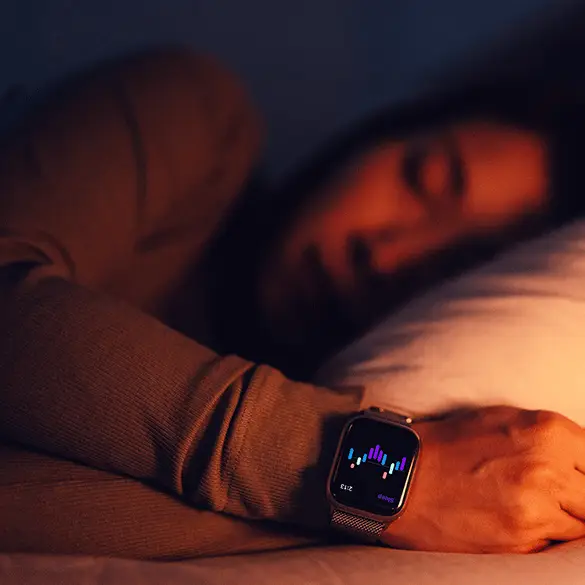
Scientists think humans could learn how to hibernate and live in between 'life and death state'

The mysteries of the human body evade us, and while biohacking expert Bryan Johnson thinks he can engineer his body to cheat death and live forever, the reality is that the Grim Reaper is knocking at our doors. Still, there's an interesting idea that we could enter a state of cryosleep for distant space travel, or potentially, extend our lifespan by hibernating each year to get some much-needed R&R during those colder months.
Back in the 19th Century, hibernation was referred to as 'a natural, temporary, intermediate state, between life and death,' and while it all sounds very Frankenstein, the animal kingdom doesn't seem bothered by hibernation.
Only a limited number of animals go into hibernation, with the likes of bats, bears, and groundhogs known to tuck themselves away to preserve energy.
Advert
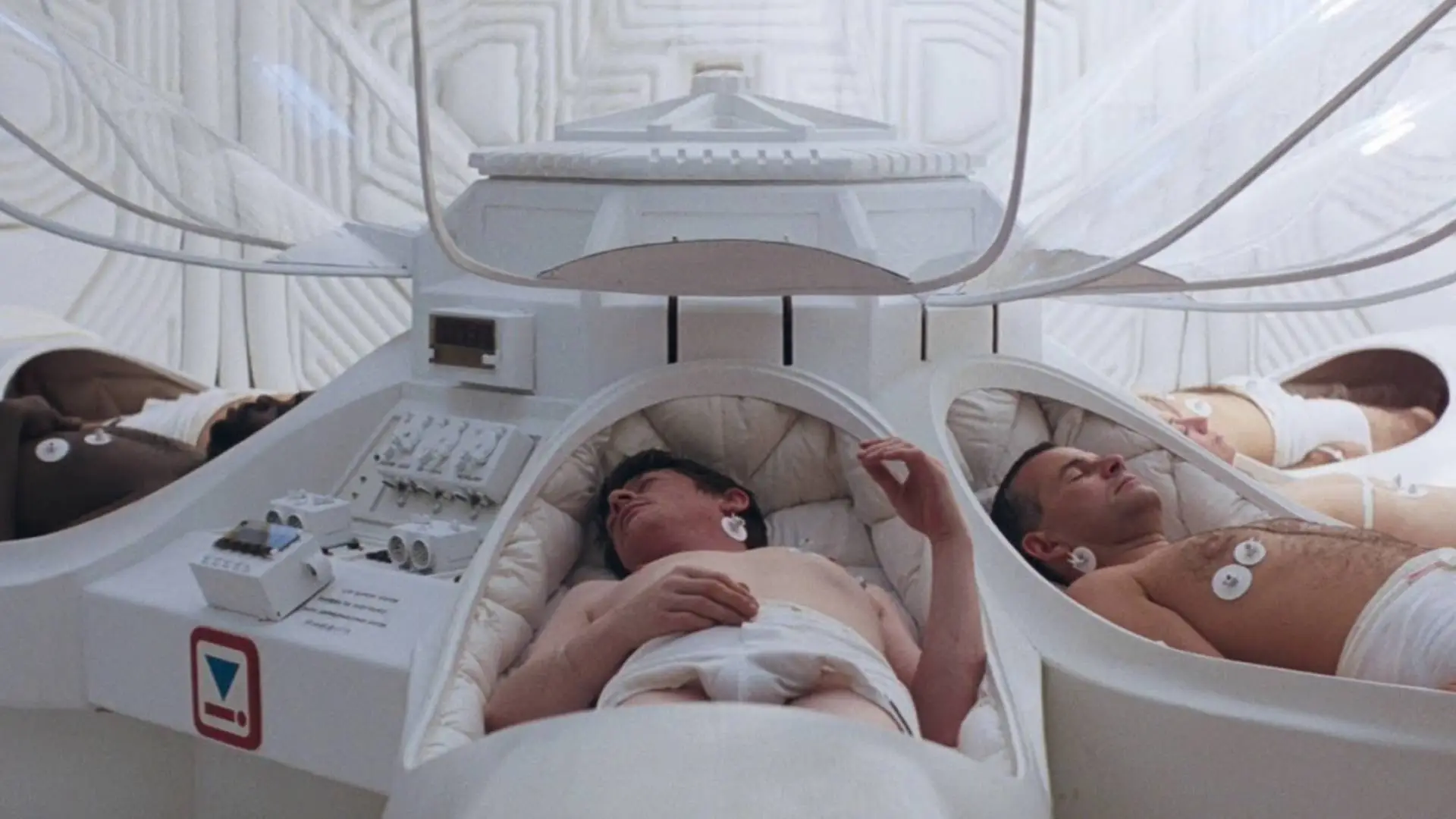
According to Vladyslav Vyazovskiy, Associate professor of neuroscience at the University of Oxford, human hibernation could be achievable. Posting his research on the University of Oxford site, Vyazovskiy points out that even speed of light space travel could still result in journeys that take years.
By putting your body into hibernation, you wouldn't be wasting years of your life while staring out of a window at the stars.
Vyazovskiy explains that as a neuroscientist, he's working with a team of experts organized by the European Space Agency and looking into the idea of putting humans into a hibernation-inspired state of stasis.
Animals that enter torpor (hibernation) slow their heart rate, breathing, and energy consumption, with some doing it for whole months at a time and others for a couple of hours a day.
Considering that large mammals like bears can hibernate, Vyazovskiy claims humans theoretically aren’t too big to also enter torpor.
The problem is that while animals seem to know how to safely enter hibernation on their own, humans currently only enter it through a heavy use of drugs like when we're sedated for surgery.
There are also fears about protecting the brain because brainwave patterns from hibernating animals suggest they emerge in a sleep-deprived state that would need to be compensated for in other ways. Similarly, Vyazovskiy notes that some memories would need to be protected as some animals waking from hibernation seem to have forgotten their own kin.
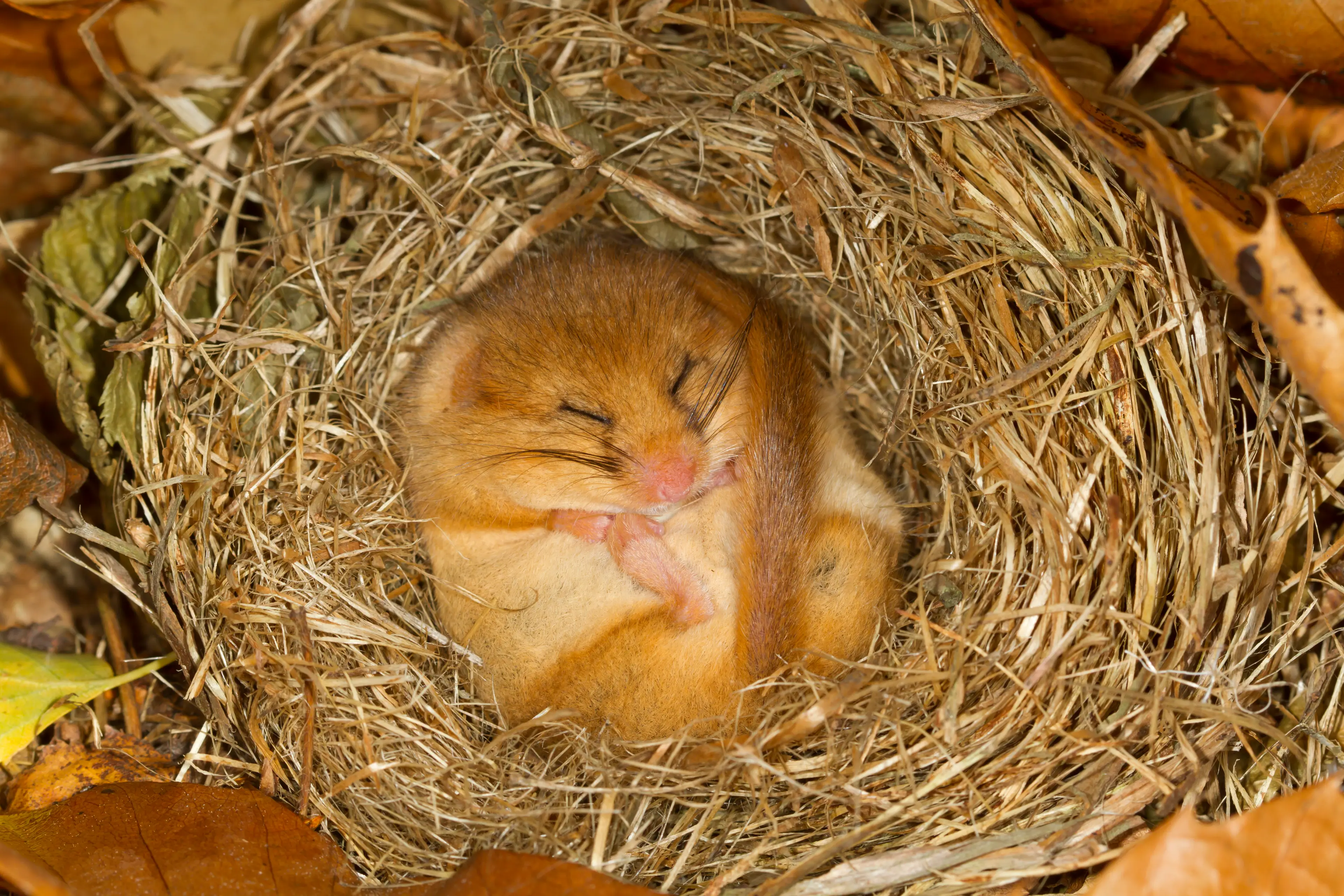
Still, it's not just hunkering down for winter that could come in handy, with tropical lemurs hibernating at high body temperatures suggesting a summer siesta could also be on the horizon.
French surgeon Henri Labori was conducting research into the idea that forced human hibernation could protect the body from trauma shock as far back as the 1950s, while physician W J Kolff noted how the drug Chlorpromazine could help those 'beyond recovery' by placing them in an artificial hibernation.
As Vyazovskiy writes: "Recent technological advances and new pharmacological and genetic tools have already shown great potential to induce or manipulate sleep."
The biggest question is, were humans always able to trigger their own hibernation, and is it simply a skill we've forgotten as we've evolved?