
Implementing these small lifestyle habits can seriously reduce risk of heart attack and stroke


We're all trying to live a little better these days.
Whether it's quitting smoking and vaping, cutting back on alcohol, ditching ultra-processed foods, or keeping an eye out for early warning signs of certain cancers, the pursuit of a longer and healthier life has never been more front of mind.
But if these lifestyle changes sound a bit overwhelming, the good news is that even the smallest of changes could make a bigger difference to your health than you think.
According to a new study, three small tweaks to your sleep, exercise and diet could significantly reduce your risk of a heart attack and stroke.
Advert
Researchers monitored the baits of more than 53,000 adults from the UK Biobank for eight years using wearable technology and diet questionnaires.

Specifically, the results found that adding just 11 minutes of sleep, 4.5 minutes of moderate-to-vigorous exercise and a quarter-cup of extra vegetables per day could cut your risk of a major cardiac event.
These three areas are interconnected, too. Improving one tends to have a knock-on effect on the others, meaning even a single small change can quietly set off a chain reaction of benefits.
As lead author and research fellow at the University of Sydney Dr. Nicholas Koeme puts it: "Poor sleep disrupts the normal transmission of appetite hormones, influencing what people eat and making them more likely to overeat.
“Physical activity improves sleep quality, but lack of sleep may reduce physical activity due to tiredness.
He added: “Diet quality affects sleep and also energy levels needed for physical activity.”
The scientists found these three lifestyle changes were associated with a 10% reduction in the risk of a major cardiac event.
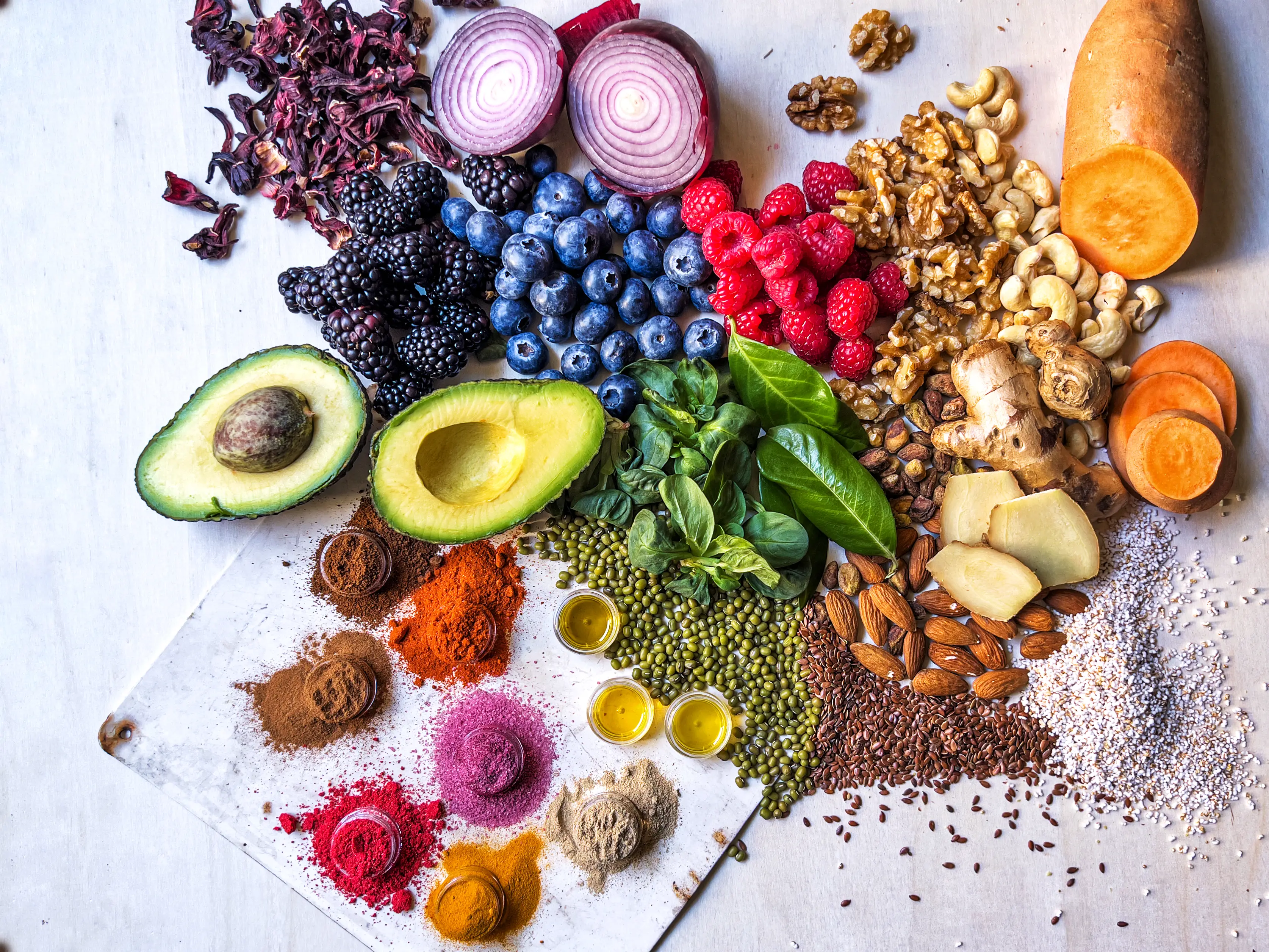
The study revealed that a 'higher intake of vegetables, fruits, fish, dairy, whole grains, and vegetable oils and a lower intake of refined grains, processed meats, unprocessed red meat, and sugar-sweetened beverages were linked to better health outcomes.
Dr. Koemel advised people not to overlook the importance of a change or two to their daily routine, no matter how small they may seem.'
The medical professional explained: “Combining small changes in a few areas of our lives can have a surprisingly large positive impact on our cardiovascular health.
“This is very encouraging news because making a few small, combined changes is likely more achievable and sustainable for most people when compared with attempting major changes in a single behaviour.”
While a clinical trial would be needed to conclude a direct causal link between these habits and cardiovascular health, it's a starting point for understanding just how much our day-to-day routines shape our long-term health.
The results of the study were published in the European Journal of Preventive Cardiology.