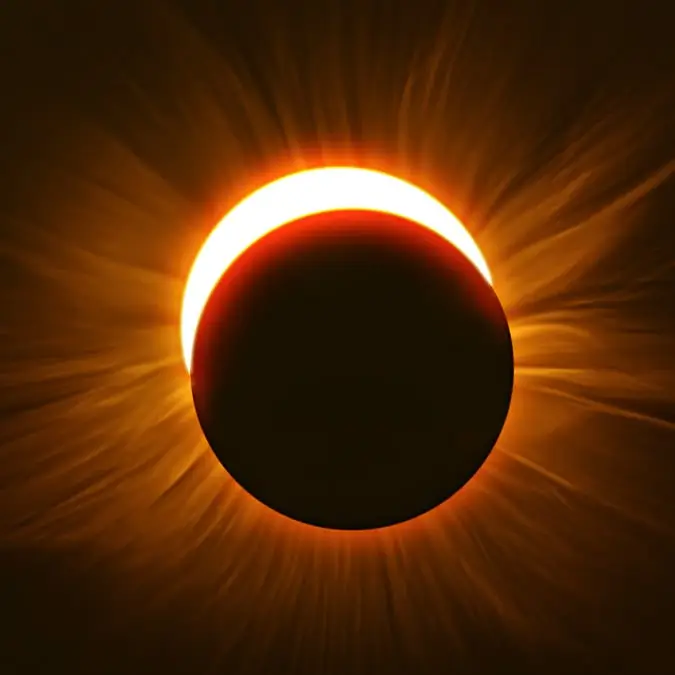
Upcoming total solar eclipse will actually move 'backwards through time' thanks to the midnight sun


Europe is expected to get the biggest total solar eclipse the continent has had in nearly 30 years next week, and there is an unusual phenomenon which will take place when it occurs.
This is because the solar eclipse will actually move ‘backwards through time’ and it is all thanks to the Midnight Sun.
The major celestial event will be visible across the continent next Wednesday (August 12), with the likes of Spain, Iceland and Greenland expected to be able to view it in totality.
The rest of Europe will get a partial eclipse, with the UK and Ireland set to experience a large partial eclipse which will cover over 90% of the Sun.
Advert
The last time this part of the world experienced a major solar eclipse was back in August 1999, with France, Germany, Austria, and parts of the UK getting a spectacular partial-to-total view.
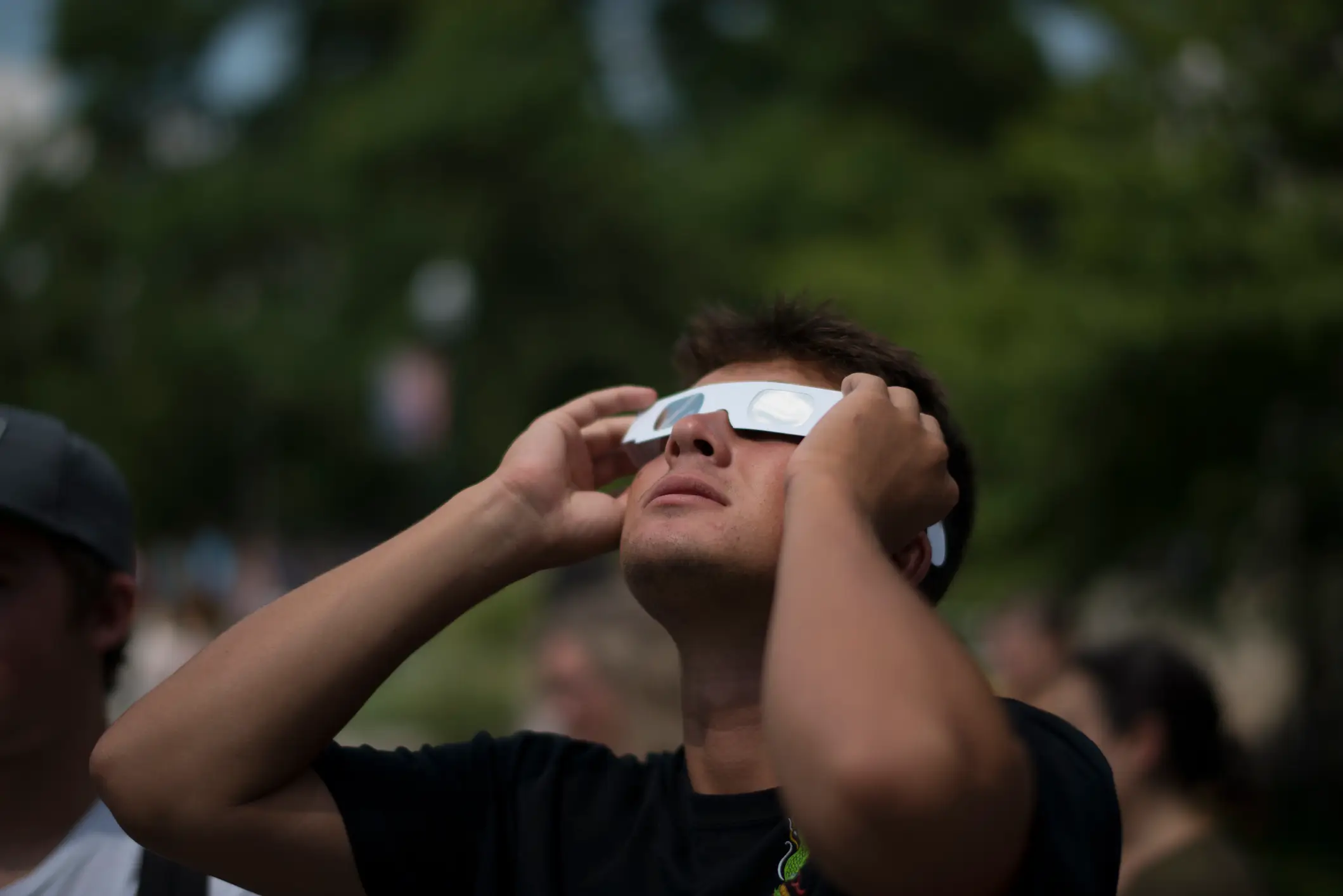
Now, 27 years later, this upcoming solar eclipse will kick off a very rare three years of major solar events in Europe as another total eclipse will follow in August 2027, which will be visible in southern Spain.
Mainland Europe hasn't experienced a total solar eclipse of this scale since August 1999. This event marks the beginning of a rare three-year "eclipse streak" for southern Europe:
- August 12, 2026: Total Solar Eclipse (Iceland, Spain, Greenland)
- August 2, 2027: Total Solar Eclipse (Southern Spain, North Africa)
- January 26, 2028: Annular 'Ring of Fire' Eclipse (Spain, Portugal)
Next week’s eclipse is expected to be particularly spectacular due to the fact that it will move ‘backwards through time’.
So, how is this possible? Well, it’s all down to the fact that the eclipse’s journey will begin at the North Pole during its Midnight Sun, which is when the region experiences 24 hours of daylight.
From there, the eclipse will travel east-to-west over Greenland before moving south, which is technically backwards from the Sun’s path.
More solar events are expected to follow this one as, in January 2028, we can expect the annular ‘ring of fire’ eclipse.
There is a lot more solar activity happening than usual and this is down to the fact that the sun has reached its solar maximum.
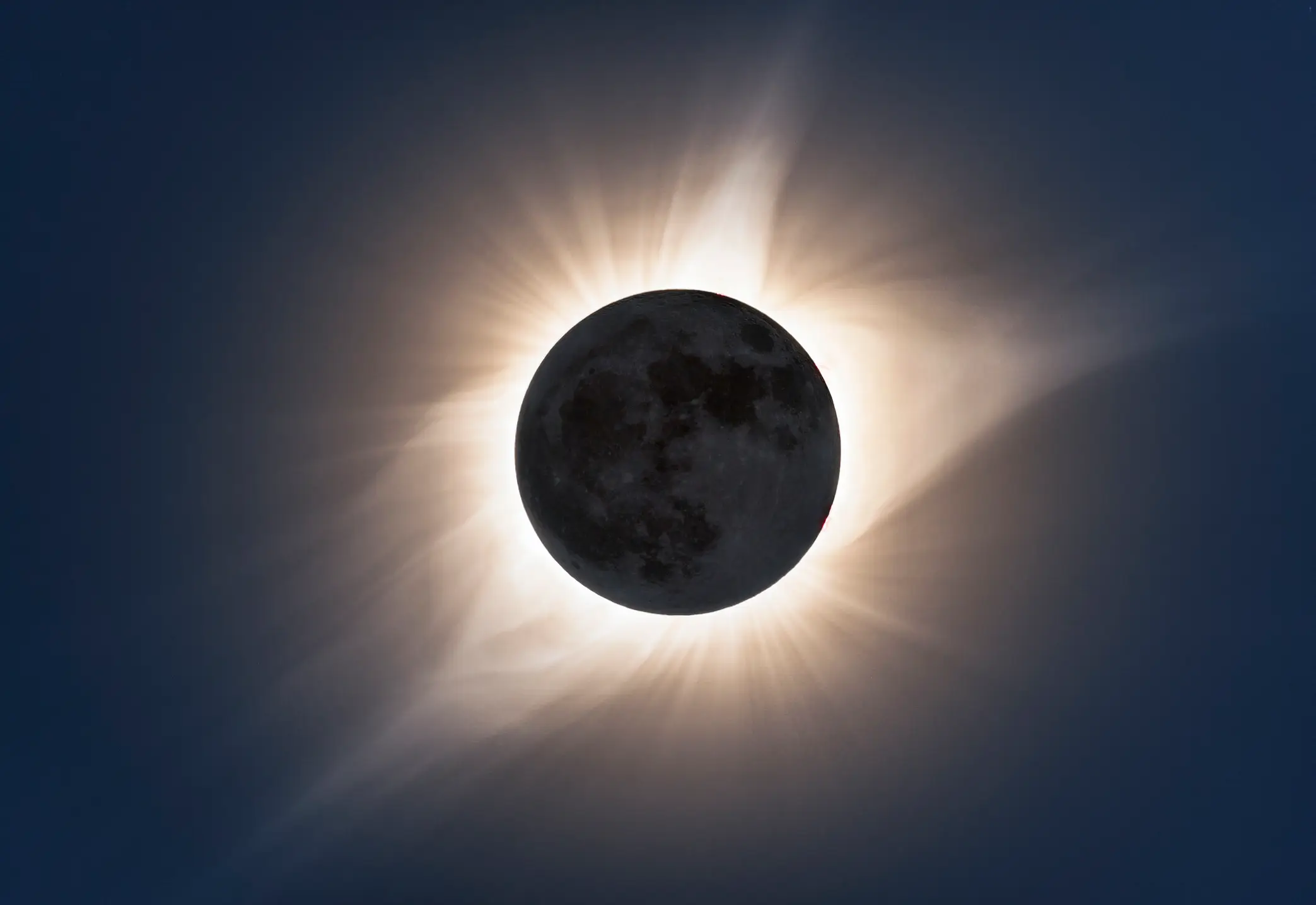
In other words, the yellow dwarf star at the center of our solar system has reached its peak period of activity within its 11-year solar cycle.
Typically, this can be signaled by high numbers of sunspots, solar flares, and coronal mass ejections.
Now that the sun has reached the end of its cycle, its magnetic field will flip, beginning its shift toward solar minimum, which hasn’t happened since 2013.
It’s not immediate but instead is a gradual transition, with the increased activity from the sun and its solar flares causing geomagnetic storms on Earth, resulting in the northern and southern light displays.