
Grey hairs could actually be your body's defense against cancer, research suggests


Those looking in the mirror and feeling frustrated at their grey hairs might want to start cherishing them as a study has revealed a connection between hair discolouration and defense against cancer.
A 2025 study from the University of Tokyo published in Nature Cell Biology looked into how the cells that are responsible for the pigments in our hair and skin resort to self destruction under certain circumstances, and how that could be linked to our body’s efforts to protect us from cancer.
The research found that melanocyte stem cells (MSCs), aka the cells that produces pigments for our hair and skin, can shut themselves down instead of continuing dividing and multiply if faced with specific types of damage.
While the choice means that faulty cells are prevented from spreading dangerous mutations, it also leads to fewer melanocytes, which I turn leads to more greys in your mane.
Advert
Scientists have observed how greys can be a sign of anti-cancer defense in the body, with two possible pathways for the cells that are under attack.
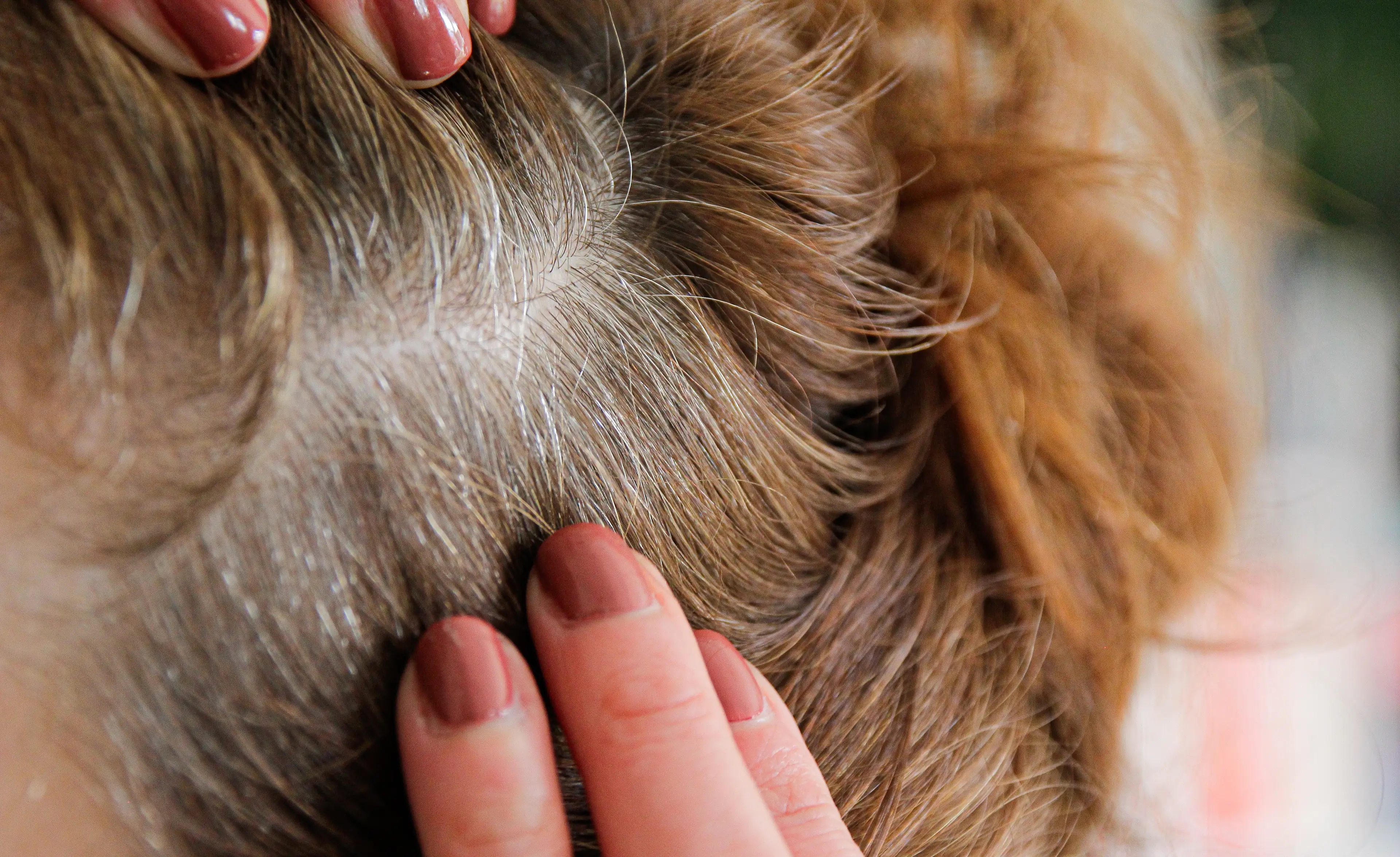
“[This study] reframes hair greying and melanoma not as unrelated events, but as divergent outcomes of stem cell stress responses,” said Prof Emi Nishimura from the University of Tokyo, who led the study.
Studying melanocytes stem cells in mice, researchers found that these pigment-producing cells only sacrificed themselves when their DNA underwent a ‘double-strand break’, described as a clean snap through both side of the DNA helix. This leads to greys, which can be seen as a consequences of cells protecting the body from melanoma, suggests the study.
However, when exposed to other stressors, such as ultraviolet light or carcinogens, the cells didn’t shut down. They survived and kept dividing, allowing mutations to build up, which could potentially lead to cancer.

Scientists found that understanding and controlling this cells response could bring about a new way for mutated cells to eliminate themselves before they could become cancerous.
Commenting on the 2025 study as well as previous research on the subject, Lecturer Doctor at Bilecik Şeyh Edebali University, Büşra Şensoy Gün wrote that ‘hair graying can be interpreted as a tumor-suppressive mechanism’ and ‘a biological ‘safe mode’ that eliminates compromised cells at the cost of pigmentation’.
Gün also argued that reversing hair greying might lead to damaged stem cells to continue dividing and renewing, increasing the risk of melanoma.
“Therefore, the ultimate challenge in treating canities is to decouple pigmentation restoration from oncogenic risk,” the researcher concluded.