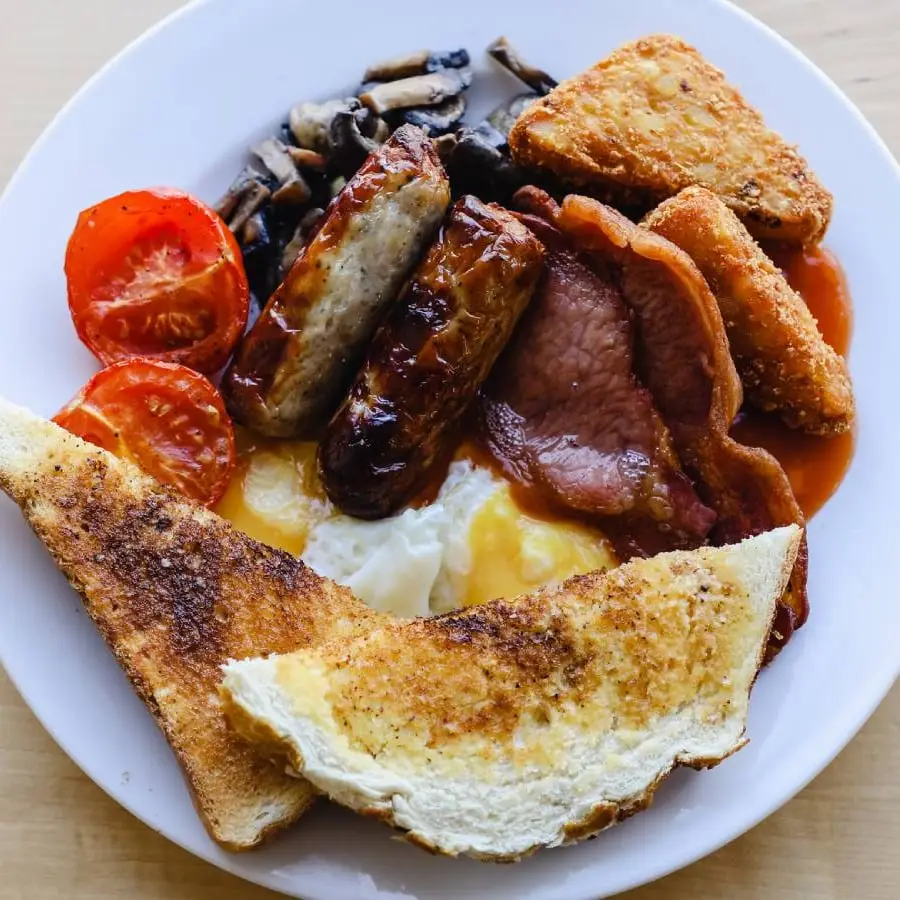
US government issues emergency recall on 12,000 pounds of your favorite breakfast food item


Hungry Americans in three states might have to look for an alternative way to kickstart their day, with a beloved breakfast food being recalled in droves.
They say it's the most important meal of the day, and whether it's a hearty bowl of oatmeal or a full fry-up, skipping breakfast is a big no-no. Sorry, but drinking a cup of coffee just doesn't cut it.
You might remember the recent cyclosporiasis outbreak that was blamed for causing 'explosive diarrhea', leading to Taco Bell recalling fresh produce across 27 states.
This isn't part of the same problem, however, the US Department of Agriculture has confirmed 12,000 pounds of bacon have been recalled.
Advert
We've already warned you about why it's dangerous to cook bacon in an air fryer, but now, you might be dashing to your fridges and freezers to check the batch numbers of your products.
The USDA's Food Safety and Inspection Service (FSIS) recalled the not ready-to-eat (NRTE) smoked bacon that had been imported from Canada "without the benefit of import reinspection into the United States."
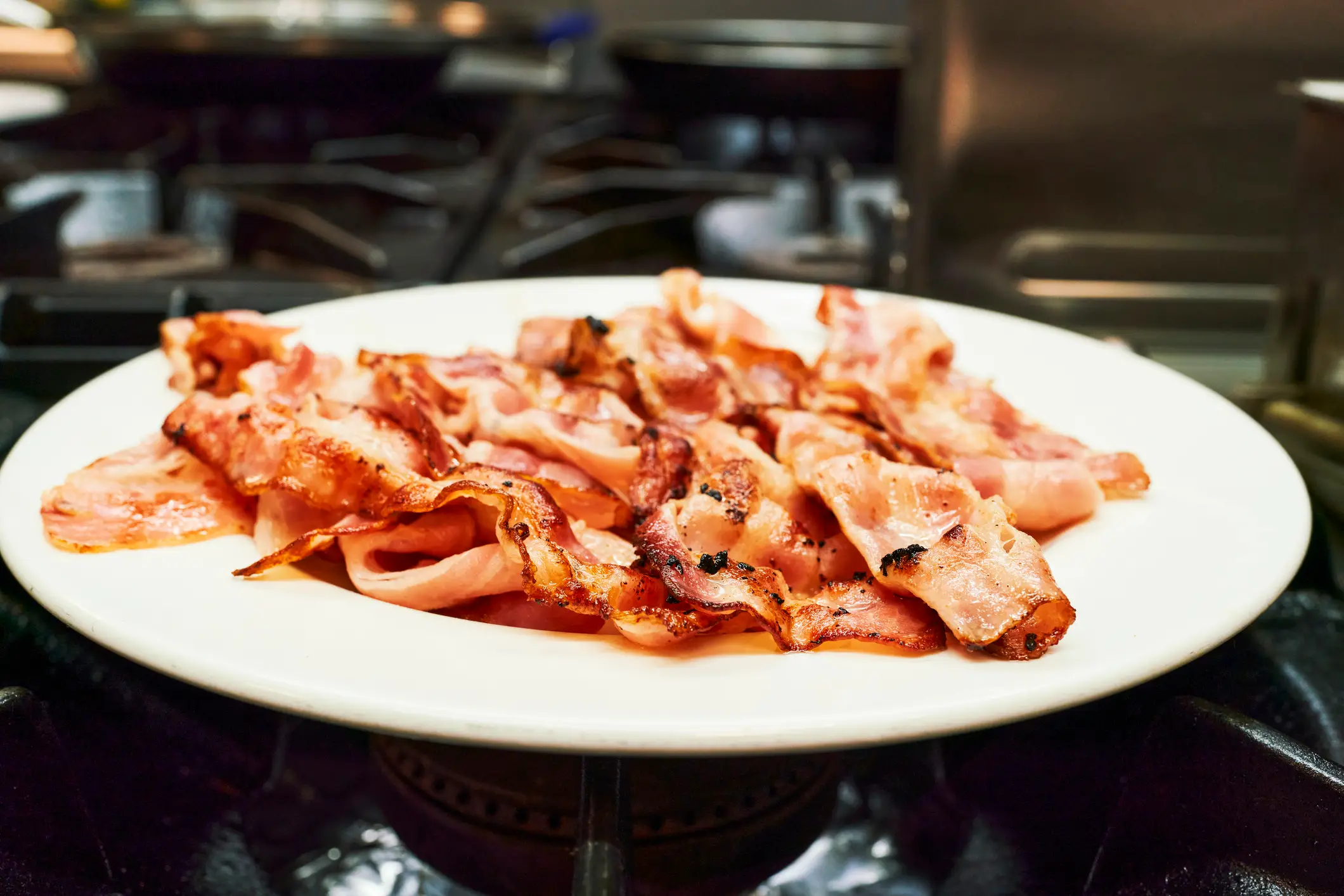
Produced by Maple Leaf Foods, Inc. in Lisle, Illinois, the bacon was then sent to grocery distributors and retailers in Idaho, Oregon, and Washington.
The issue was discovered during a routine inspection, with affected batches having the Canadian establishment number “EST 1” on the side, as well as the health certificate “2026-S732971612” on master case boxes.
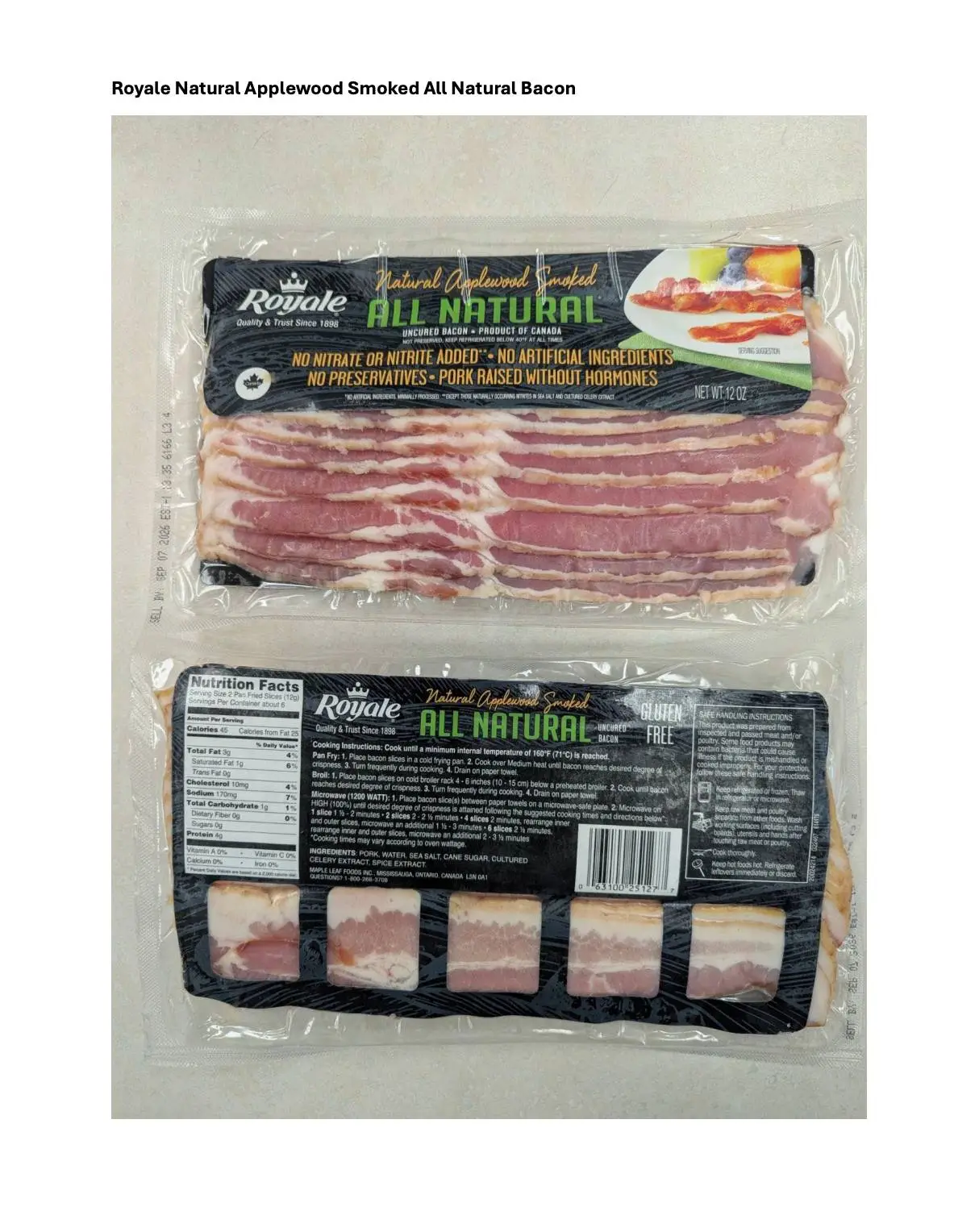
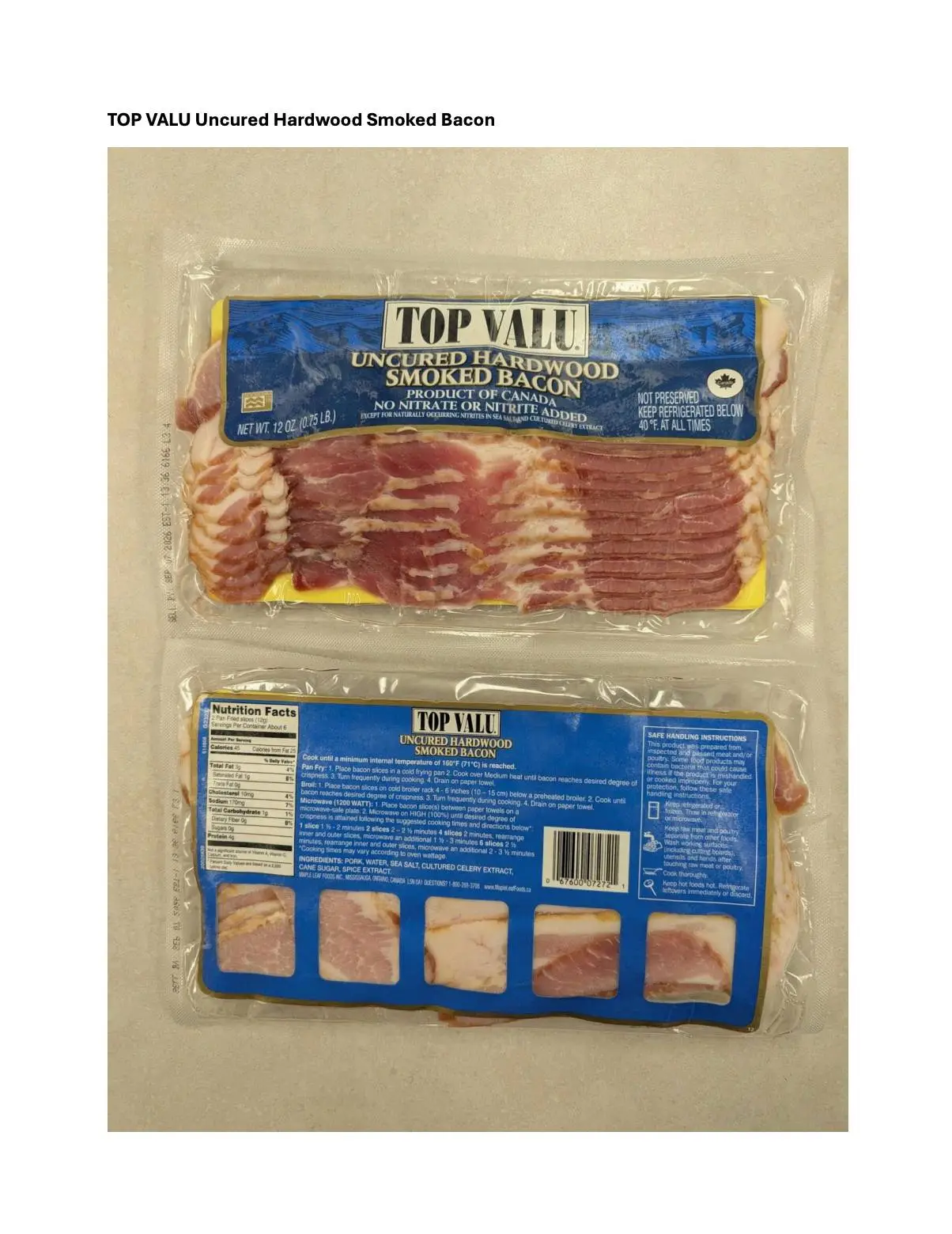
Two types are being recalled, meaning Americans should look out for the 12-oz vacuum-packed “Royale Natural Applewood Smoked ALL NATURAL Uncured Bacon Product of Canada” with sell-by dates including September 1, 2026, and September 7, 2026. The other is the 12-oz vacuum-packed "TOP VALU Uncured Hardwood Smoked Bacon PRODUCT OF CANADA". This has various sell-by dates of September 1, 2, 4, 5, and September 7, 2026.
Importantly, the USDA reiterated this is a Class I recall, meaning it's the most serious category there is.
Although there have been no confirmed cases of illness connected to these batches, consumers are reminded to check their refrigerators and freezers. Either throw them out immediately or return them to where they were purchased.
As stated by the FSIS, a Class I recall involves a "health hazard situation where there is a reasonable probability that the use of the product will cause serious, adverse health consequences or death."
Without raising too much alarm, a Class I recall doesn't necessarily mean the product is an active threat to consumers due to harm already being caused, but instead, it's due to a potential risk posed by an inspection failure.
Anyone with questions is directed to Adam Emery, Vice President, Communications, Maple Leaf Foods, Inc., via phone at 416-518-5131 or email at [email protected].
Bacon might be classed as a Group 1 carcinogen in terms of its cancer-causing potential by the World Health Organization, but that doesn't stop it being a particularly popular meat for breakfast, lunch, dinner, or any time of the day or night.
Despite there being no correlation between the Maple Leaf Foods, Inc. bacon recall and the cyclosporiasis outbreak, it seems many online can't read the small print and think the pair are connected.
For anyone coming down with a case of explosive diarrhea, you might need to blame something other than your breakfast bacon.