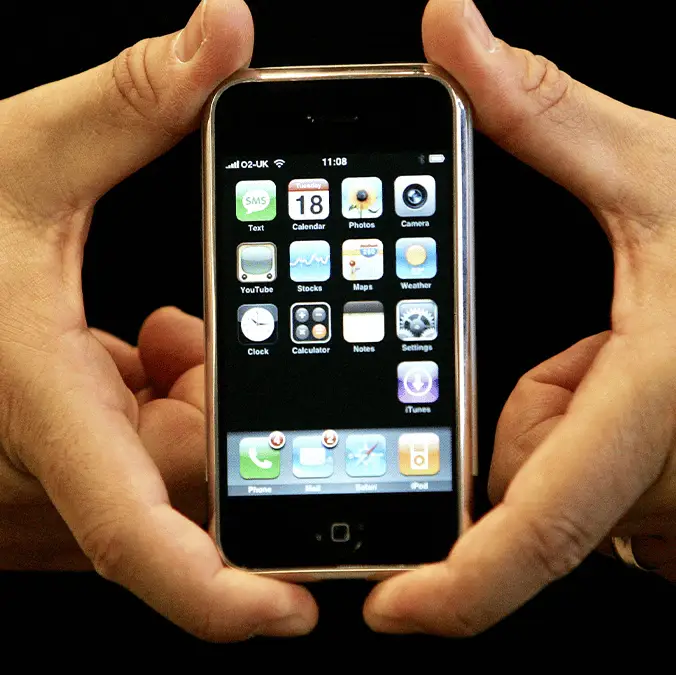
Featured Image Credit: SHAUN CURRY / Stringer via Getty
It's hard to remember a time before smartphones, but back in the day, things felt a lot simpler, as our Nokia 3330 could last a whole week on one charge and felt like it could survive a nuclear blast. That all changed with the invention of the iPhone, and while there are plenty of alternatives on the market, Apple's flagship device opened Pandora's Box. And now, a study out of the National Bureau of Economic Research has laid the blame of falling birth rates on at the tech giant's door.
Even though the iPhone is often dubbed the 'first' smartphone, that honor technically goes to the IBM Simon, which was released all the way back in 1994. Still, it was Apple that brought smartphones to the masses, and we haven't looked back since.
If you still have an OG iPhone lying around, you might be shocked to know it could be worth $190,000. That's quite an impressive price tag, but at what cost? A new survey suggests that that daring little device could be responsible for falling birth rates.
We know Elon Musk is particularly passionate about birth rates, famously warning that it's a bigger threat to the human race than global warming back in 2022. This hasn't been helped by a 2025 report that suggested the percentage of people not wanting kids has doubled over the past 20 years.
Advert
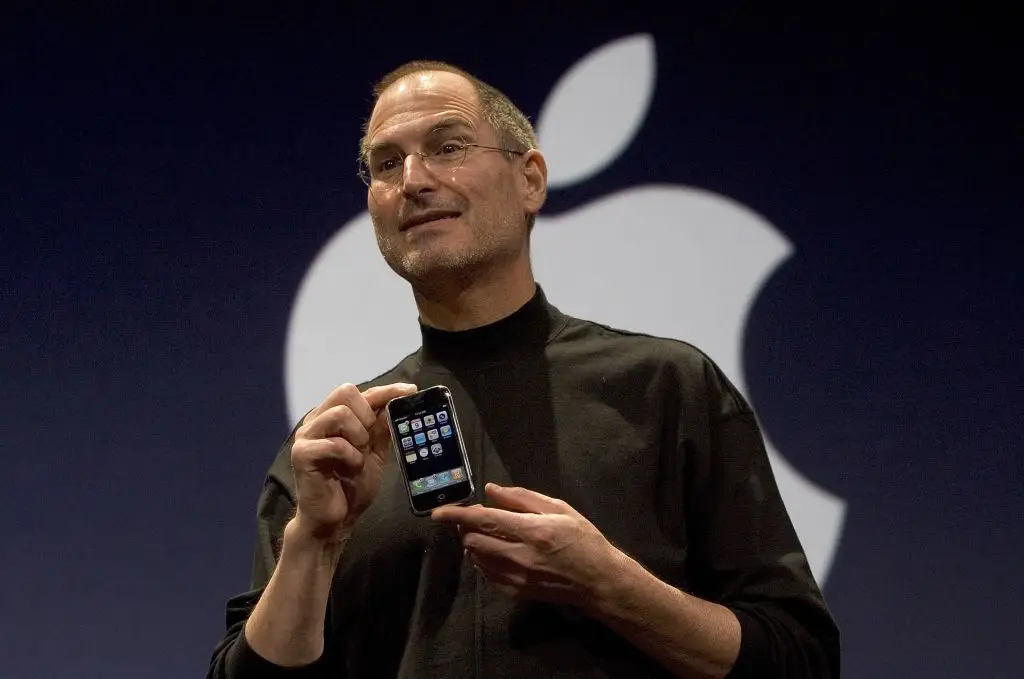
As we approach 20 years of the iPhone, could there really be a correlation between the pair? In a new paper published by the National Bureau of Economic Research, two researchers from Middlebury College put the blame for declining fertility rates firmly at Apple's door.
Looking at AT&T mobile broadband coverage from the launch of the iPhone until it lost carrier exclusivity in 2011, NBER researcher Caitlin Myers and Middlebury graduate Ezekiel Hooper suggested the iPhone was responsible for an alarming birth rate decline during this period.
For countries that had access to the iPhone via AT&T, women aged 15-19 saw birth rates tumble by up to 8%. The 20-24 age group suffered a 6.6% dip, while 'older' age groups are said to have faced "statistically significant but smaller declines."
In an email to The Register, Myers defended this as more than a simple correlation, as she wrote: "It’s pretty much undeniable that births fell faster in places with AT&T coverage. As a scientist, I’m loath to ever say causality is ‘proven'...but I would say that we’ve identified a compelling natural experiment and that it strongly points to a large and causal relationship between iPhones and fertility."
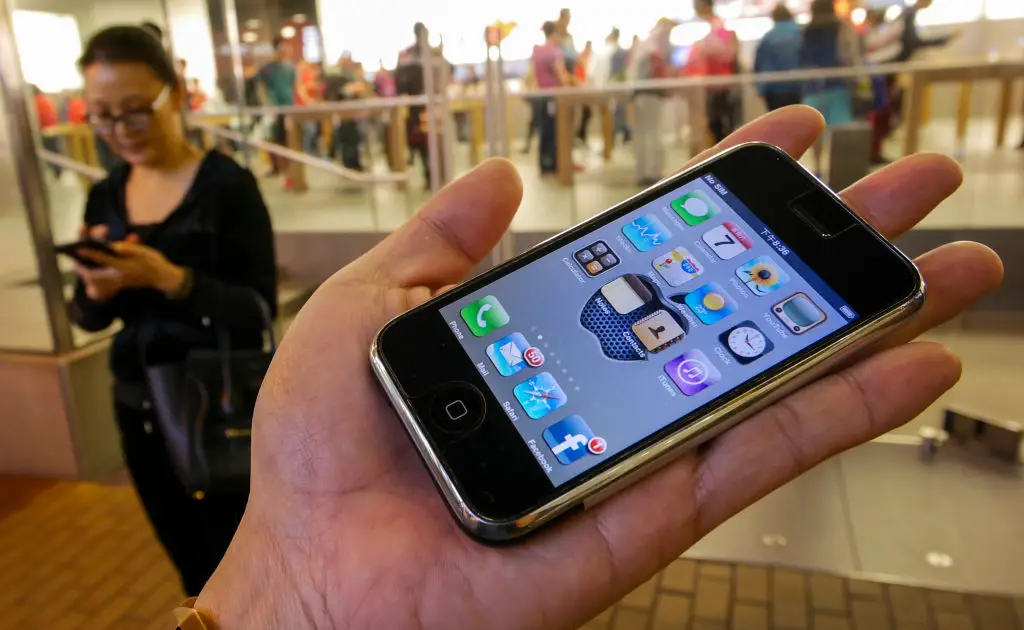
Elsewhere in the study, countries dominated by Verizon and Sprint coverage, which only received Android devices in 2009, apparently did not affect fertility when compared to the iPhone.
Although Myers said there was some evidence that Android showed a similar trend, smaller sample sizes and a lack of data made it less precise.
Alarmingly, the iPhone was attributed to up to 52% of the decline in general US fertility rates between 2007 and 2011.
Whereas the paper doesn't give any stats on why birth rates have fallen, Myers and Hooper theorized on three potential ideas. Notably, smartphones have been accused of robbing us of personal interactions, meaning sex is obviously less of a priority.
The smartphone boom has also been linked to the easy accessibility of pornography in a new way, as well as the iPhone giving more information about contraception and abortion access. Combining any of the above, and it's not hard to see why we're not popping out kids as much anymore.
It would be unfair to put all the blame on the late Steve Jobs, with the paper reiterating: "We do not claim that the iPhone is the sole cause of the post-2007 decline."
The Register says that other research paints the iPhone as a 'canary in the coal mine', with better internet connectivity, social media, and a porn boom also being factors we need to consider.