Futuristic tech behind longest nonstop flight in the world that's on track to set off soon


Chances are that you either love or loathe flying, but more than just those who suffer from aerophobia, there's the general hassle of flying in general.
If not getting up at the crack of dawn to make it to the airport on time, you have to battle with increasingly stringent hand luggage allowances, screaming babies, and cramped conditions. Even those who are shelling out thousands for business class will likely admit that flying loses its appeal pretty quickly.
The latest bit of plane news involves the world's longest flight. That record currently belongs to New York's JFK to Singapore's Changi, with a scheduled duration of 18 hours and 40 minutes.
That's due to be eclipsed by Qantas' 'Project Sunrise', which wants you to strap in for an epic 22-hour journey.
Advert
It's technically true that the world's longest flight takes you from Singapore to Buenos Aires, but with a stop in New Zealand, it breaks up the 29-hour trip a bit.
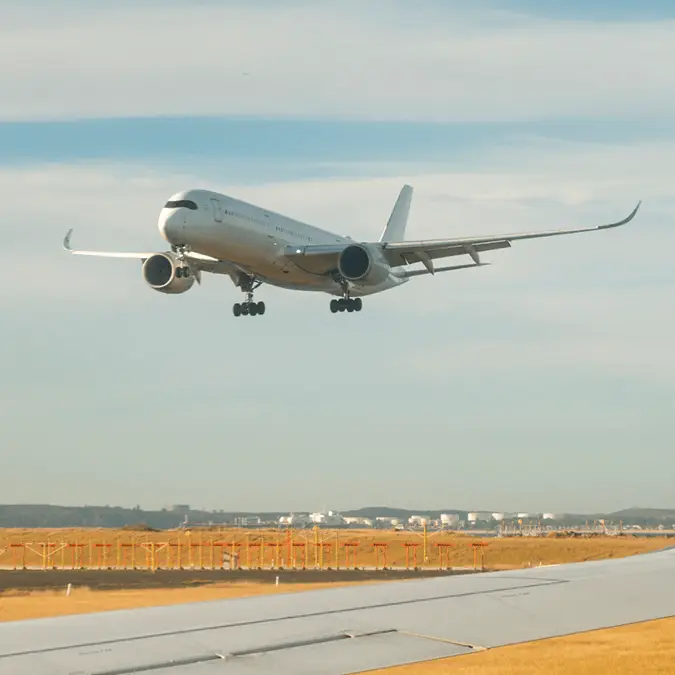
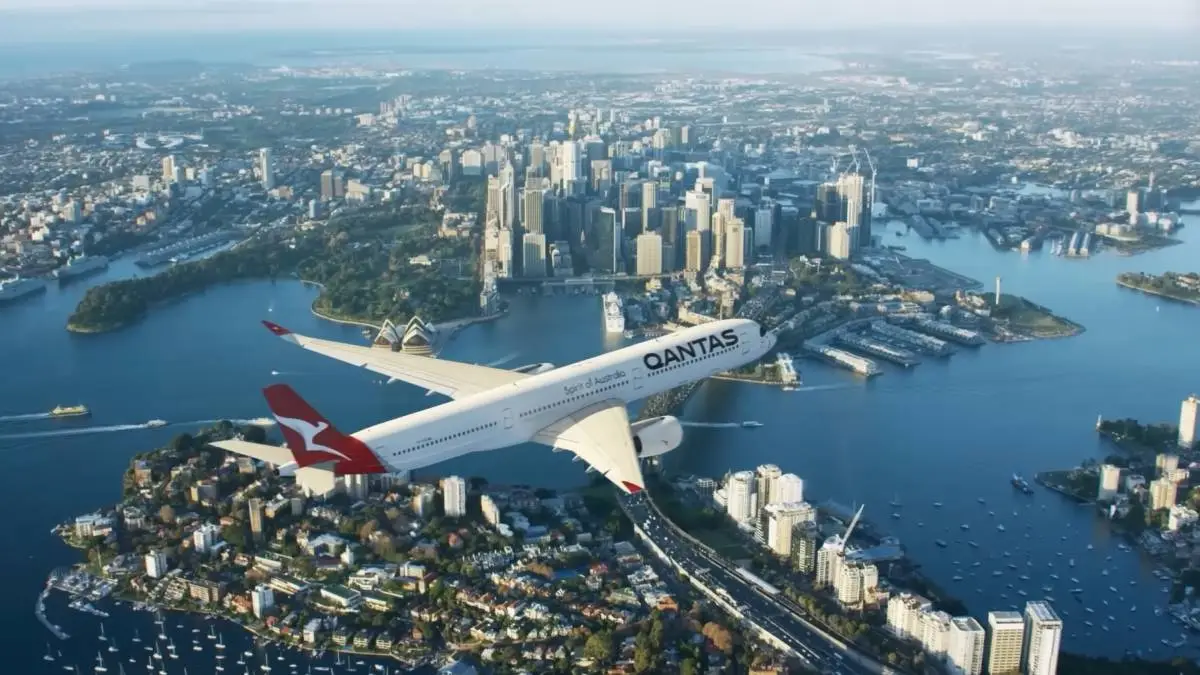
Making our backsides ache already, Qantas has announced its 22-hour flight, with its new Airbus A350-1000ULR set to take to the skies in 2027.
The ULR stands for 'ultra long range' and according to Forbes, people won't only accept the new flight, but might actually pay a premium not to have a stop.
Daniel Kahneman's peak-end rule suggests that we judge an event based on its most intense moment rather than the end. By taking out connections, the idea is that we'll be less stressed without having to go through security again, worry about missed legs, and the hassle of our luggage not coming with us.
Carrying just 238 passengers compared to the typical 400 on Qantas' standard A350-1000 configurations, the 40% reduction will likely be transformed into higher ticket prices. It's said that the configuration will include six first class suites, 52 business class suites, 40 premium economy seats, and 140 economy seats. Even in economy, there's a generous 33 inches of pitch, but thanks to a reduction in overall weight, these plans can fly for nearly a full day.
Added to this, the Airbus A350-1000ULR planes will boast a colossal 20,000-liter rear fuel tank to keep them up in the air for so long. This capacity allows the plans to go for nearly 10,000 nautical miles (18,500 km) while being powered by some beefy Trent XWB-97 engines from Rolls-Royce.
A350-1000s tend to have a capacity of 156,000 liters, but on the ULRs, the auxiliary fuel tanks are permanent additions to the rear fuselage instead of removable ones.
Simple Flying reports that the extra weight from the additional fuel has to be taken into account. Although the plane's maximum takeoff weight hasn't been confirmed, the largest A350-1000 currently weighs 322 tons. This is compared to a standard Airbus A350-900's MTOW being 268 tons, with the ULR apparently weighing 280 tons and having a MTOW of nearly 340 tons.
Even if planes are hit with diversions, the A350-1000ULR has around 600 nautical miles of additional range for what's needed to travel from London to Sydney.
The additional load at takeoff has been factored into reinforced landing gear, taller blended winglets to help with climb, and upgraded flight management and fuel balancing systems.
With the first Airbus A350-1000ULR rolling off the Toulouse production line on April 12, it'll now be put through rigorous testing ahead of flights supposedly starting in spring 2027.