Holidaymakers warned that their next vacation could be about to cost a lot more


One unexpected consequence of the ongoing war in Iran has been the cost of jet fuel. This might not just lead to an increase in prices overall but also to potential cancellations as shortages really settle in.
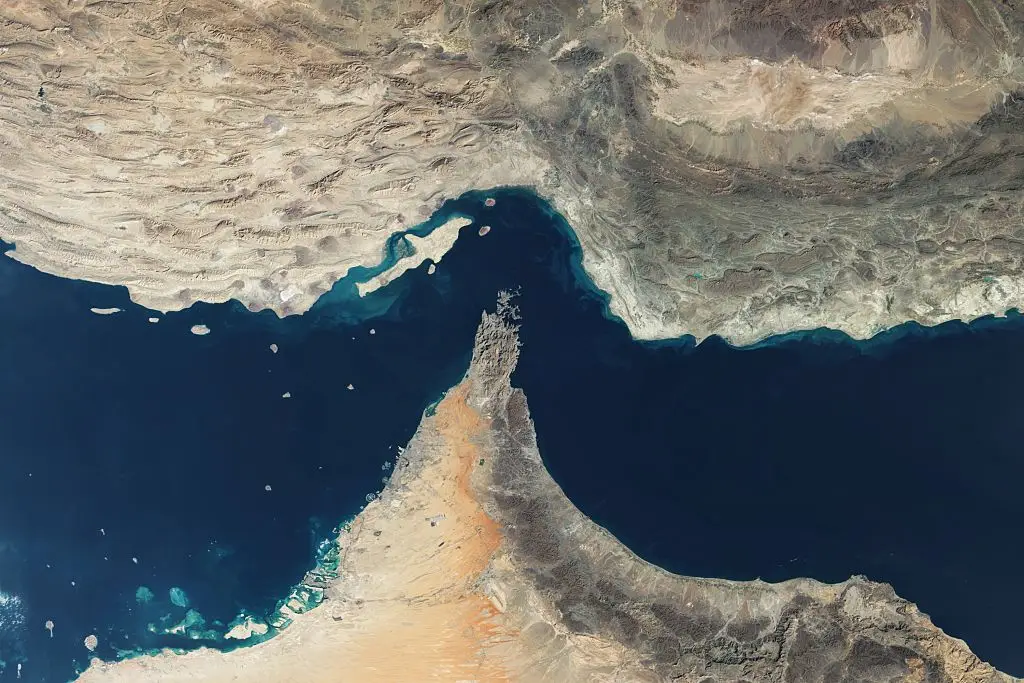
It all relates to the closure of the Strait of Hormuz in Iran, which serves as a passage for around a fifth of the world's total oil reserves. This has been completely closed since February 28, and appears to be no closer to a resolution following failed ceasefire negotiations with the United States.
Iran has reportedly placed hundreds of mines across the Strait to prevent any unwanted ships from bravely barging through, while US President Donald Trump has now placed his own blockade at the Strait's exit to prevent ships himself in an unorthodox move.
Advert
Oil prices immediately surged in response to the closure as investors correctly feared shortages, and this had an immediate impact on the stock market and one key household bill for most people around the globe.
Some might not have realised quite how much is generated as a byproduct of crude oil, with one of the most vital results being fuel for planes.
As reported by NPR, jet fuel prices are currently sitting at around 89% higher than their pre-Strait-closure values at the time of writing, and are likely to continue to increase the longer the vital passage remains closed.
This is a higher rate than gasoline has experienced, and people looking to travel are likely to only really feel the effects in the coming months when jetting around the globe is at its highest frequency.
The amount of money you will have to spend on flights is almost guaranteed to increase from this point going forward, alongside potentially hidden fees like baggage charges, as airlines have to account for the added stress on fuel reserves.
Some companies are also already cutting certain routes amid fuel shortage fears, and if things continue as they have, then widespread cancellations could be afoot in the second half of 2026.
We've already seen Virgin Atlantic add a $68 surcharge to economy seats, while business class passengers have to pay an extra $488. Speaking to the Financial Times, CEO Corneel Koster admitted: "We have never seen jet fuel at this level and airlines cannot sustain those sorts of high costs. If the fuel price goes much higher, I think the surcharges may go higher. If they go up in a week and you book in two weeks’ time, you’ll be paying higher."
Elsewhere, Qantas is planning on cutting 5% of domestic flights out of Australia and raising its fuel guidance by $800 million to A$3.3 billion for the year to June.
The three largest jet fuel suppliers worldwide – China, South Korea, and Kuwait – are all impacted by the Strait of Hormuz closing down, with each affected in a different yet equally damaging way.
China is no longer exporting jet fuel after a government ban, and South Korea has had to cut back significantly on its production levels. Kuwait is the only one in a comparatively 'positive' state, yet the Strait's closure means that it simply cannot supply it anywhere.