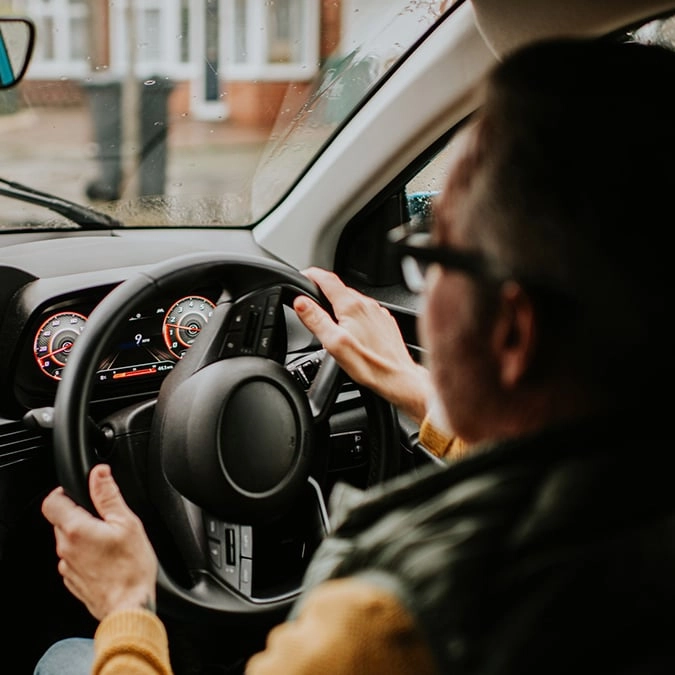
Millions of weight loss jab users could be unknowingly breaking serious driving laws


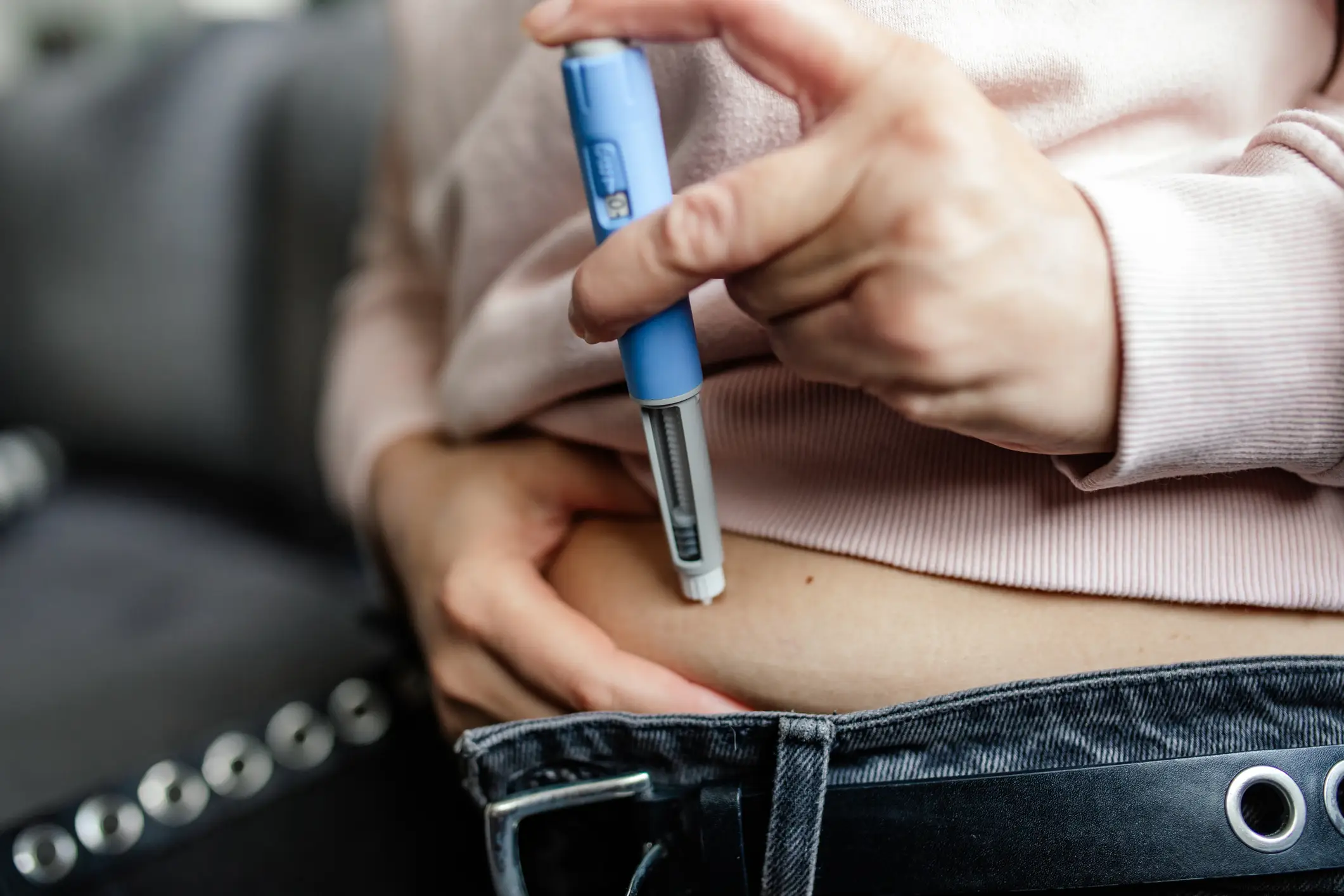
With the boom of weight loss injections showing no signs of slowing down, experts are now warning that users could be unwittingly breaking the law.
This comes as GLP-1 medication has taken the weight loss industry by storm in recent years.
The drug, which was originally used to treat type 2 diabetes, was found to have a weight loss side effect, leading to it becoming a prominent product for obesity treatment.
According to RAND, 12% of Americans have admitted to using GLP-1 drugs to lose weight, which is the equivalent of a whopping 42 million people.
Advert
However, some users might be at risk of breaking serious driving laws without even knowing it.
This comes after one expert, Graham Conway, who is the managing director at Select Car Leasing, shared that there are certain rules in place for road users who are taking medication.
Rules for driving while on weight loss jabs
He explained: “Drivers may be surprised to learn that side effects from prescription medication, such as dizziness, can fall under the DVLA’s reporting requirements if those side effects affect someone’s ability to operate a vehicle safely.
“Failing to declare any medication-related issues that impair your driving could result in a £1,000 ($1,340) fine, and you also leave yourself open to a potential dangerous driving or careless driving conviction.”
Similar issues can be faced in the US, with the Department of Motor Vehicles (DMV) warning that if you are taking medications that cause impairment serious enough to affect safe driving then you must report it.
So, how does GLP-1 medication impact a person’s ability to safely drive? According to Robert Bradhsaw, a superintendent pharmacist at Oxford Online Pharmacy, it is the side effects users need to be wary of.
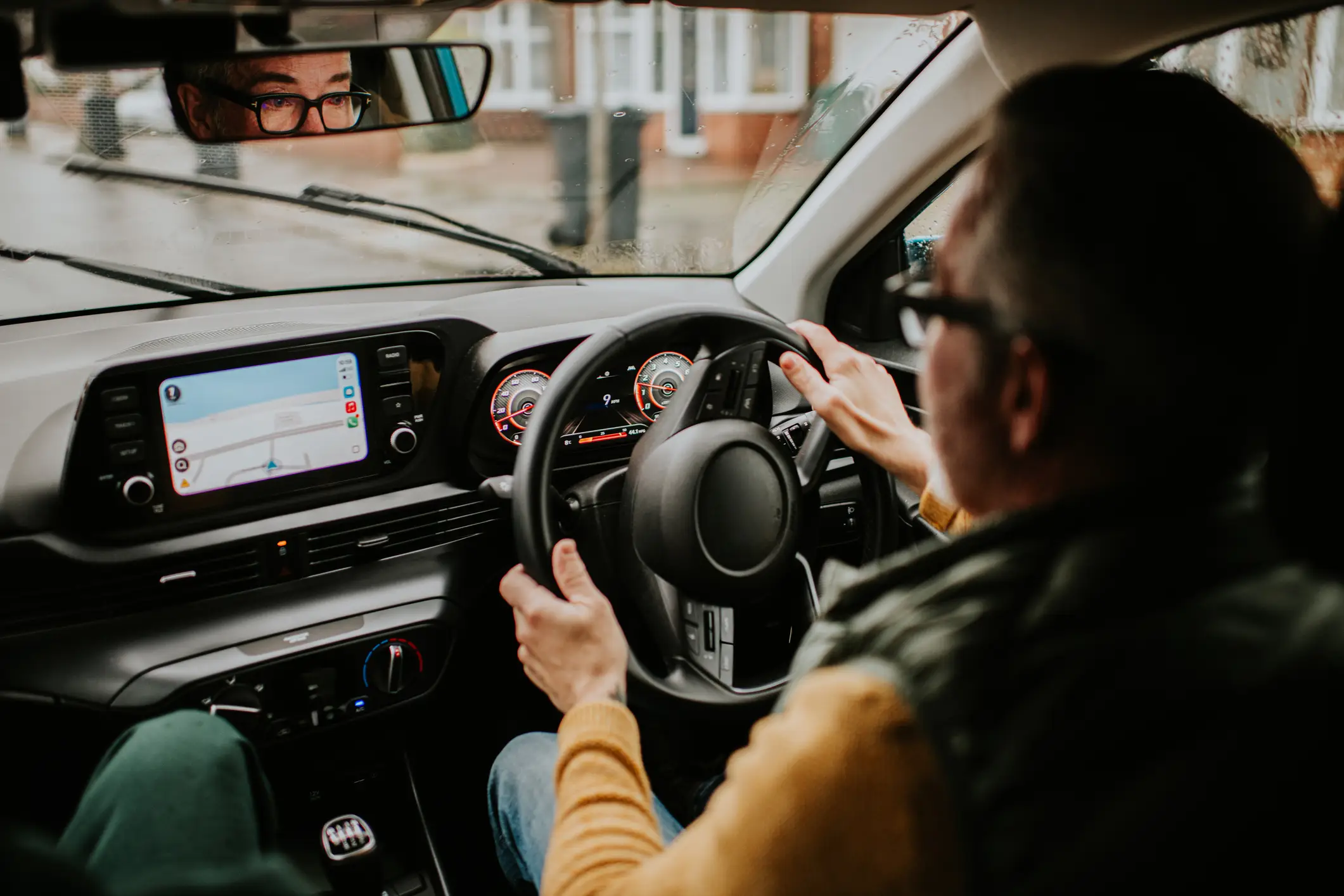
He said: “Some reported symptoms include nausea, vomiting, fatigue and dizziness. It’s also not uncommon to experience reduced energy levels, especially if you’re new to using the medication or are increasing the dosage.
“Dizziness may make it harder to focus on the road or could impair vision, making it unsafe to drive.
“Persistent fatigue could also reduce alertness and slow down reaction time to hazards or traffic. Even nausea and stomach discomfort can quickly become distracting behind the wheel.
“Drivers taking GLP-1 medications alongside insulin or sulfonylureas (such as gliclazide) should be especially cautious, as the combination increases the risk of hypoglycaemia. Symptoms, including sweating, shakiness, confusion and blurred vision, can affect driving safety.
“If you notice any of these effects, it’s best to avoid driving until you feel well again.”