How to see 'God of chaos' asteroid as NASA say it will be visible to the naked eye


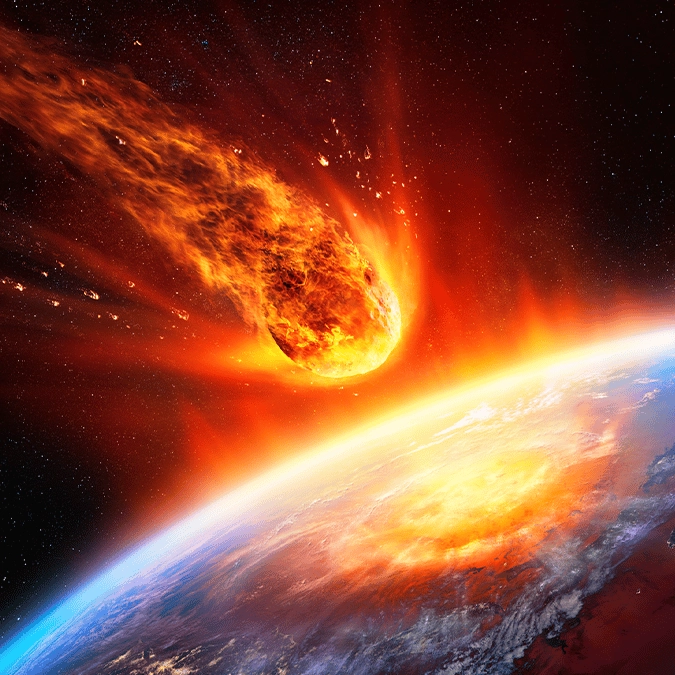
It's not every day that you're able to see an asteroid soaring through the sky, yet a rare one will become visible to the naked eye on Earth in the near future, giving people a chance to spot the mystical 'God of chaos'.
The prospect of seeing an asteroid from Earth hasn't exactly been attractive in the last year considering the fear surrounding numerous space objects hurtling towards our planet, yet thankfully our annihilation has been postponed — at least for the time being.
Chief among these was an asteroid known as 2024 YR4, as this initially had an alarming chance of colliding with our planet with the force to destroy an entire city, leaving many fearful of an inevitable catastrophe.
Thankfully new scientific calculations meant that it would be guaranteed to avoid Earth, yet another incredibly rare asteroid is seemingly set to come into view in the coming years giving you the chance to spot it if you're in the right place at the right time.
Advert
When will the asteroid be visible on Earth?
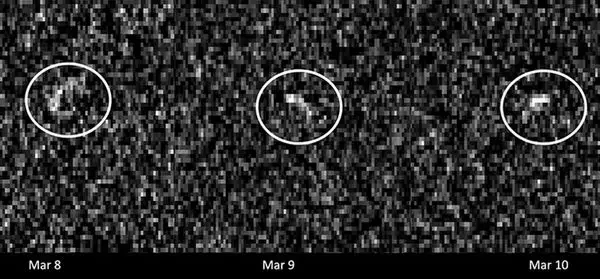
As reported by ABC7, a space object known as Asteroid 99942 Apophis – sometimes also referred to as the 'God of chaos' due to its Ancient Egyptian links – is set to make a close but safe pass by Earth on April 13, 2029.
This is still a considerable amount of time away, but it still gives you plenty of time to prepare and make sure you're in the right part of the world to see the incredibly uncommon celestial event.
Asteroid 99942 Apophis will become visible because of its proximity to Earth, which on that date is set to be around 20,000 miles (32,000 kilometers), which is closer than the distance from our planet to the Moon — something that was recently achieved by the historic Artemis 2 mission.
How to see Asteroid 99942 Apophis from Earth
NASA has revealed exactly how you should be able to spot the asteroid passing by, as it's expected to be visible to the naked eye so long as you're in the right place.
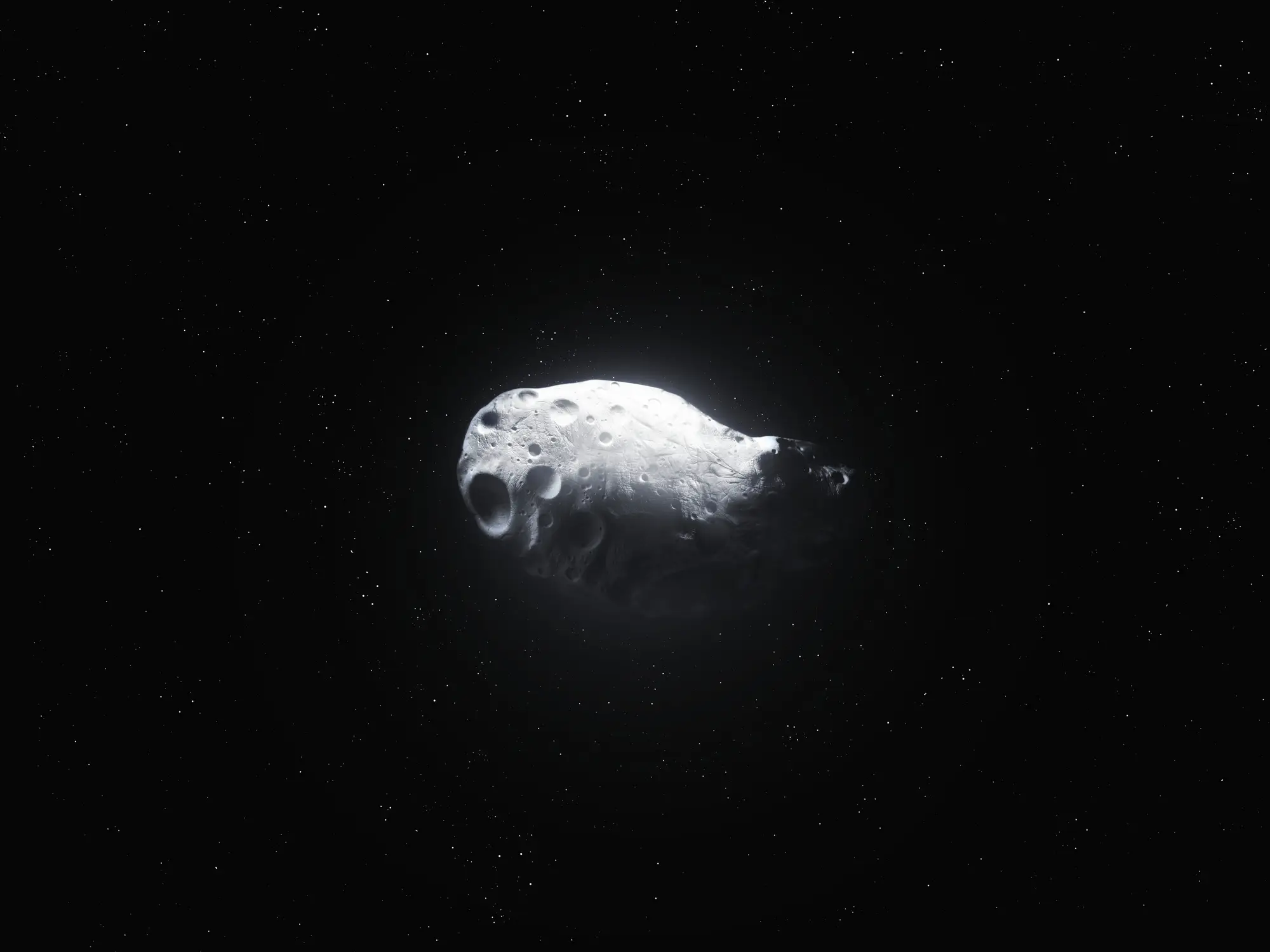
All you need to do is be anywhere in the planet's Eastern Hemisphere to see it on that all-important date, and you won't even need a telescope or a pair of binoculars to spot it in the sky.
This area includes most of Europe – although excluding Portugal, Ireland, Northern Ireland, Scotland, and only the easternmost parts of both Spain and England – alongside all of Asia, most of Oceania, and everywhere in Africa except countries in the northeast like Senegal, Mauritiania, and Morocco, amongst others.
Asteroid 99942 Apophis was initially expected to be a threat to Earth when it was first discovered, with scientists predicting that it could collide with our planet, but this has since been ruled out completely for at least another 100 years despite the close proximity in the next half a decade.