
How to spot Artemis 2 astronauts as they head for splashdown back on Earth this Friday


It feels like the Artemis 2 astronauts only just launched yet they're set to return back to Earth at the end of this week, bringing a historic and already iconic 10-day journey to an end.
While many still await the moment when astronauts finally step foot back onto the Moon for the first time in over half a century, it would be remiss to ignore quite how much the currently ongoing Artemis 2 mission has achieved in such a short space of time.
Launching successfully on April 1 after a delay earlier in the year, the Orion spacecraft's path has allowed the four NASA astronauts on board to view the dark side of the moon, witness a jaw-dropping solar eclipse from a prime position, and even offer a heartfelt tribute to one of the crew's late family members.
Photographs captured on an iPhone from the Orion spacecraft have already cemented themselves in the iconography of American space travel, yet the excitement will soon come to an end for the crew as the mission is set to end later this week.
Advert
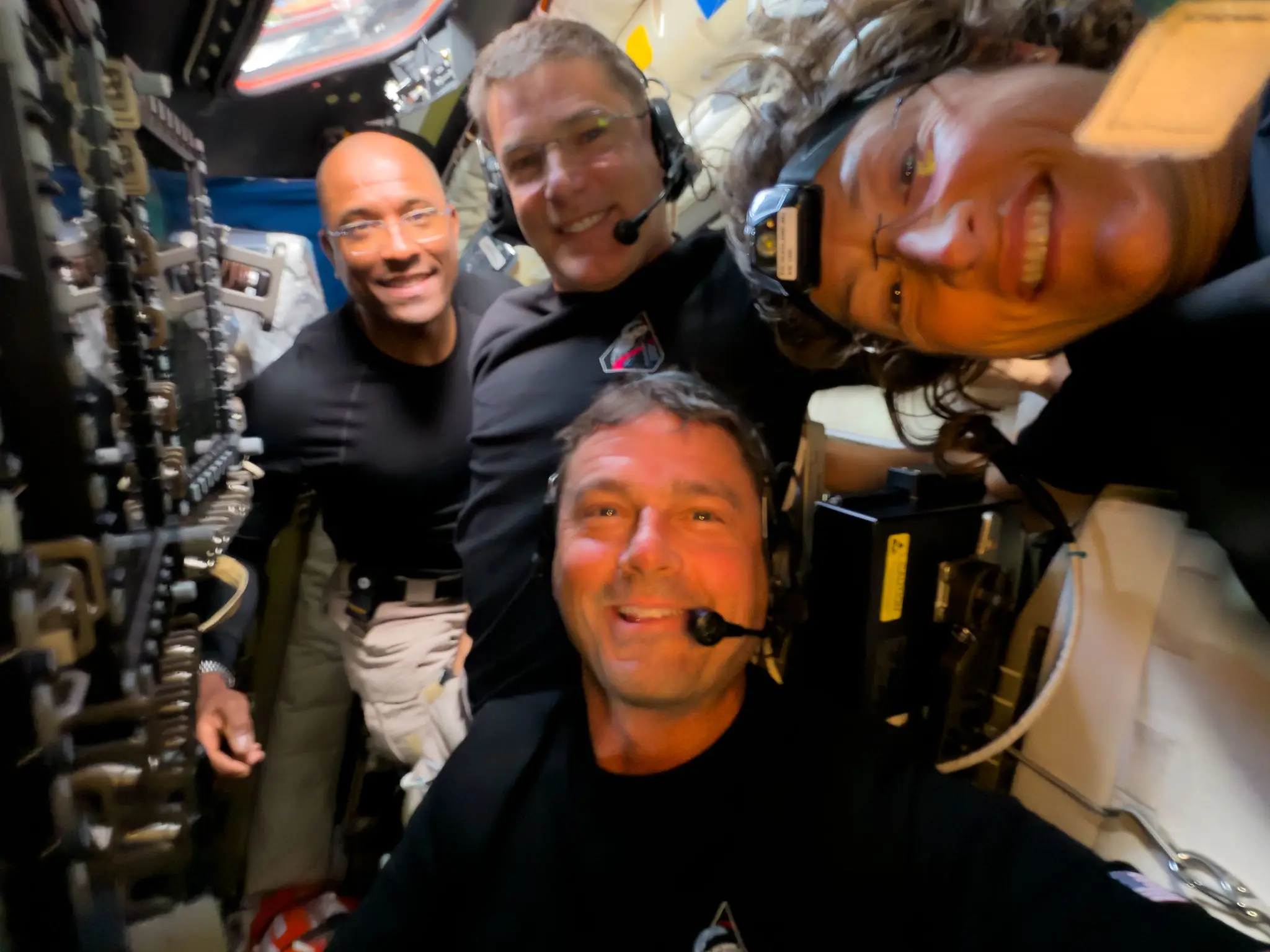
NASA officials have confirmed that the crew members will conduct a safe splashdown off the coast of San Diego on Friday, April 10, after traveling the longest distance of any human in history — although the exact time and location is subject to the constantly shifting mission milestones.
"NASA's Artemis 2 mission is scheduled to splash down off the coast of San Diego at approximately 8:07 p.m. EDT (5:07 p.m. PDT) on Friday, April 10," NASA's website reveals.
"Following splashdown, recovery teams will retrieve the crew using helicopters and deliver them to the USS John P. Murtha. Once aboard, the astronauts will undergo post-mission medical evaluations in the ship's medical bay before traveling back to shore to meet with an aircraft bound for NASA's Johnson Space Center in Houston."
One astronomy expert local to the San Diego area has explained to CBS 8 San Diego how you might be able to get the best view of the Artemis 2 crew coming back from space, giving people a chance to be part of history.
"What we're hoping is to see, not much from here, unfortunately, because of the time of day," Francisco Contreras, board member for the San Diego Astronomy Association explains, providing a more realistic interpretation of events later this week.
"But about 50 miles offshore, there'll be some rescue boats, and that's part of the reason San Diego is so special," he adds. "As a Navy town, we've got all of the facilities and structures in place to support these astronauts coming back home.
"This is a pretty good place to come back to," Contreras added, and hopefully the return will go as smooth as possible for the crew members.