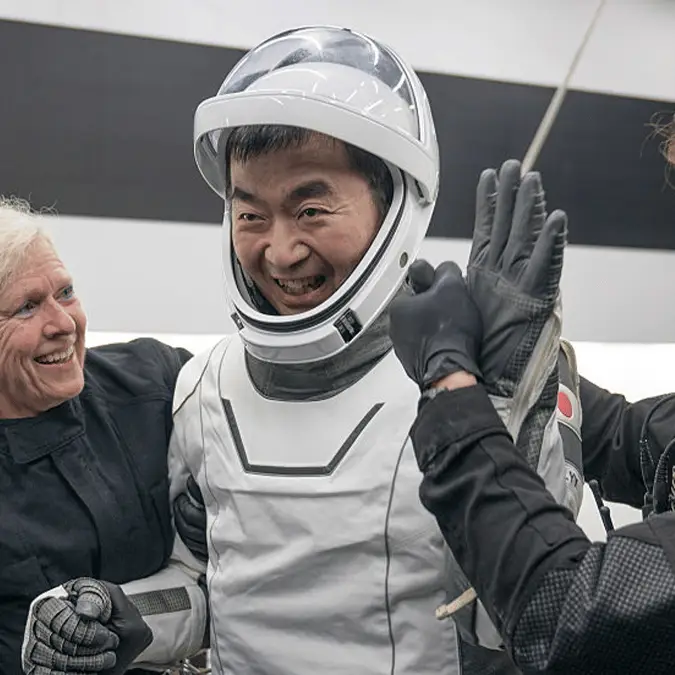
How first ISS medical evacuation could impact future space missions


The recent ISS medical evacuation could change the future of space missions.
Last week, Crew-11's mission was cut short by a month due to what NASA described as a 'serious' health concern.
On 14 January, four astronauts boarded their Dragon capsule, undocked from the ISS and made their ocean landing off the San Diego coast the following morning.
The crew included astronauts Zena Cardman and Mike Fincke, Japanese astronaut Kimiya Yui and Russian cosmonaut Oleg Platonov.
Advert
However, the urgent, first-ever ISS evacuation left many wondering what the medical crisis was, as the team remained tight-lipped about the details.
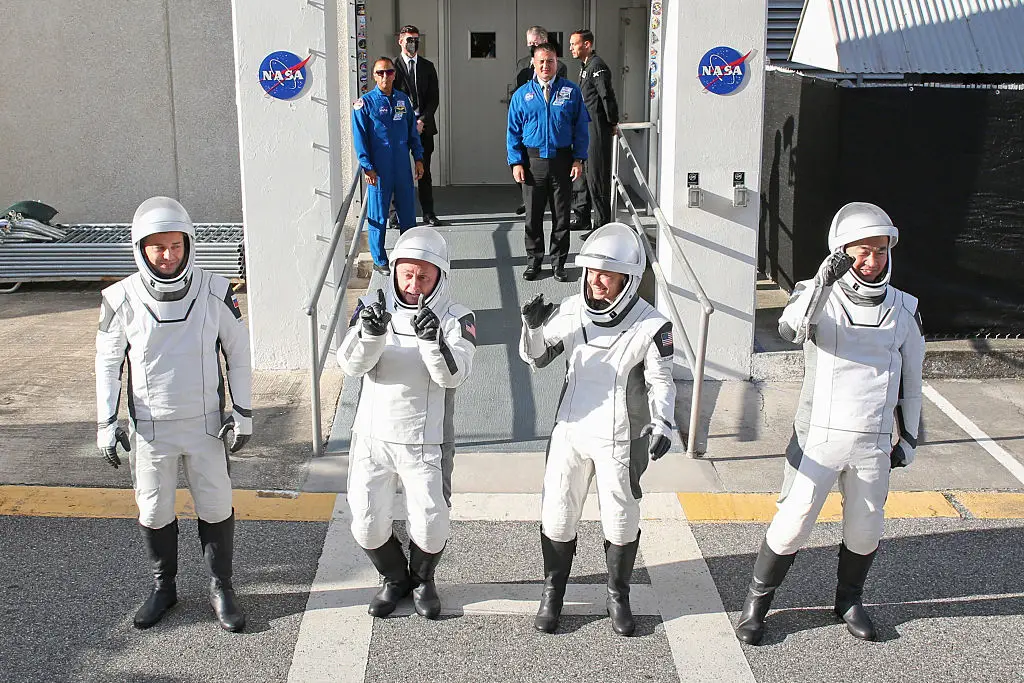
"Just to start off, of course, we are back here a little earlier than we were expecting. And just to say it up front, we are not going to be identifying the crew member or talking through the differential (diagnosis) or any of the details of the medical situation," said Cardman on the post-flight news conference. "Thank you so much for respecting our privacy."
It wasn't until the crew's first public appearance after returning to Earth that Fincke disclosed that 'the ultrasound machine came in super handy' during the emergency.
However, it begs the question of how future space missions will be handled as they grow longer, riskier and further from Earth.
UNILADTech turned to OpenAI's ChatGPT for answers about how the recent ISS medical evacuation could change the future of space missions.
While the return journey for this medical emergency was only a matter of hours, it doesn't offer much optimism if the same were to occur on deep-space missions, say, on the Moon or Mars.
A crew on Mars would face months of travel time back to Earth, while lunar missions could face delays due to 'orbital alignment or launch windows.'
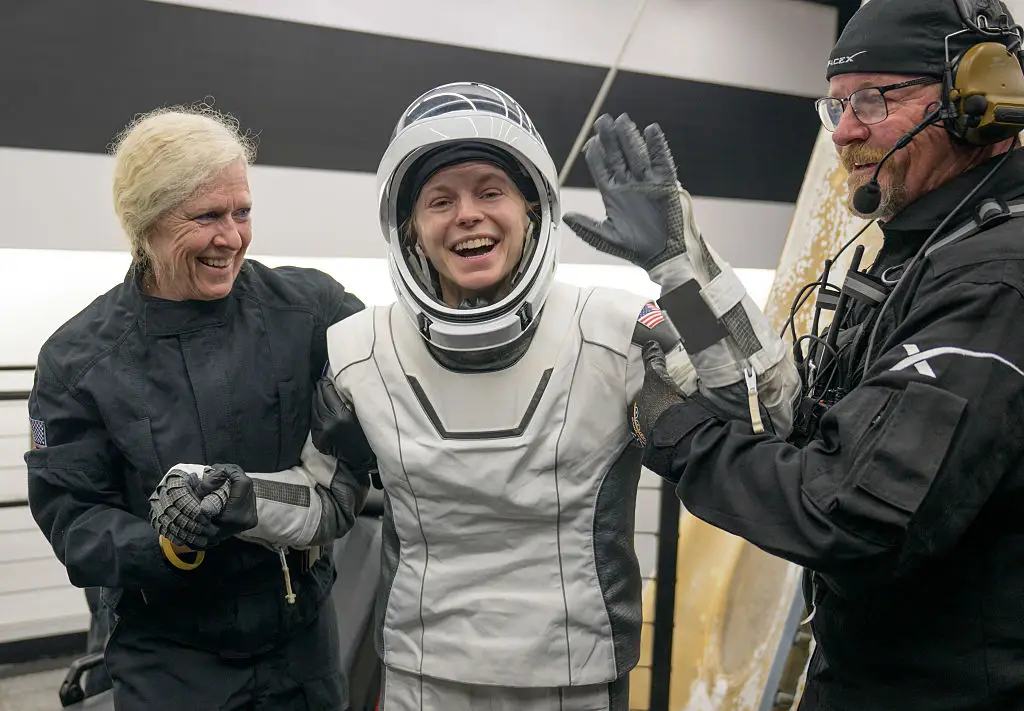
According to ChatGPT, NASA may rethink the selection process for future missions, such as 'more aggressive screening for cardiovascular, neurological, and immune-system risks.' The US space agency might prioritise 'long-term health resilience, not just peak fitness,' the AI chatbot stated.
Northumbria University and the Aerospace Medicine and Rehabilitation Laboratory are already working with the European Space Agency, NASA, the Canadian Space Agency and private spaceflight companies like SpaceX, to develop exercise-based protocols that safeguard astronaut health, Space.com reported.
Meanwhile, the recent evacuation highlighted how ultrasound technology proved valuable aboard the ISS, but it raises the possibility of incorporating 'onboard medical capabilities' such as 'AI-assisted diagnostics and expanded pharmaceutical inventories,' ChatGPT suggested.
The AI chatbot added: "NASA has openly discussed the possibility of astronauts acting as their own doctors and treating conditions that would normally require hospital care on Earth.
"This evacuation reinforces that medical self-sufficiency is no longer optional."
Ultimately, the incident has served as a 'wake-up call' for long-duration spaceflight.
ChatGPT firmly admitted that 'human bodies are the weakest part of space missions.' If missions are to go on for months to years, minor medical issues arising from 'microgravity, radiation, and isolation compound risk' can become fatal if not treated early enough. For example, Spaceflight Associated Neuro-ocular Syndrome (SANS) affects up to 70% of astronauts on long-duration missions.