How to see asteroid as big as five cruise ships visible from Earth this Saturday


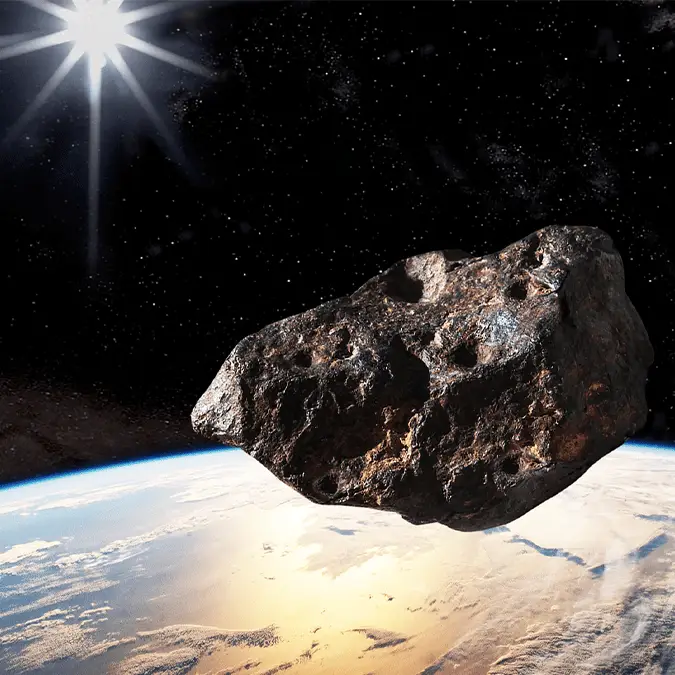
An asteroid as large as five cruise ships is heading to Earth, and you could see it this weekend if you’re looking in the right place.
The asteroid, known as (152637) 1997 NC1, will soar past our planet on June 27, at approximately 7:15 a.m. EDT.
From there, it’ll be at its closest point to the Earth, reaching 1.59 million miles away, or six times the distance between Earth and the moon.
First discovered two decades ago, the asteroid has been monitored ever since, and the alarm was sounded by experts once they realized it would be coming to us at a rapid rate.
Advert
Of course, there’s no thought that it’ll impact us or even come close enough to hurt.
However, this giant rock – which is thought to be approximately 1,800 yards wide – will be visible in both the Northern and Southern Hemisphere as it passes by.
“A close approach to Earth by an object this size only occurs every few years, although this time the bright nearby moon might impede its observability at closest approach,” European Space Agency Planetary Defense Office information specialist Juan Luis Cano said of the event per the European Space Agency.
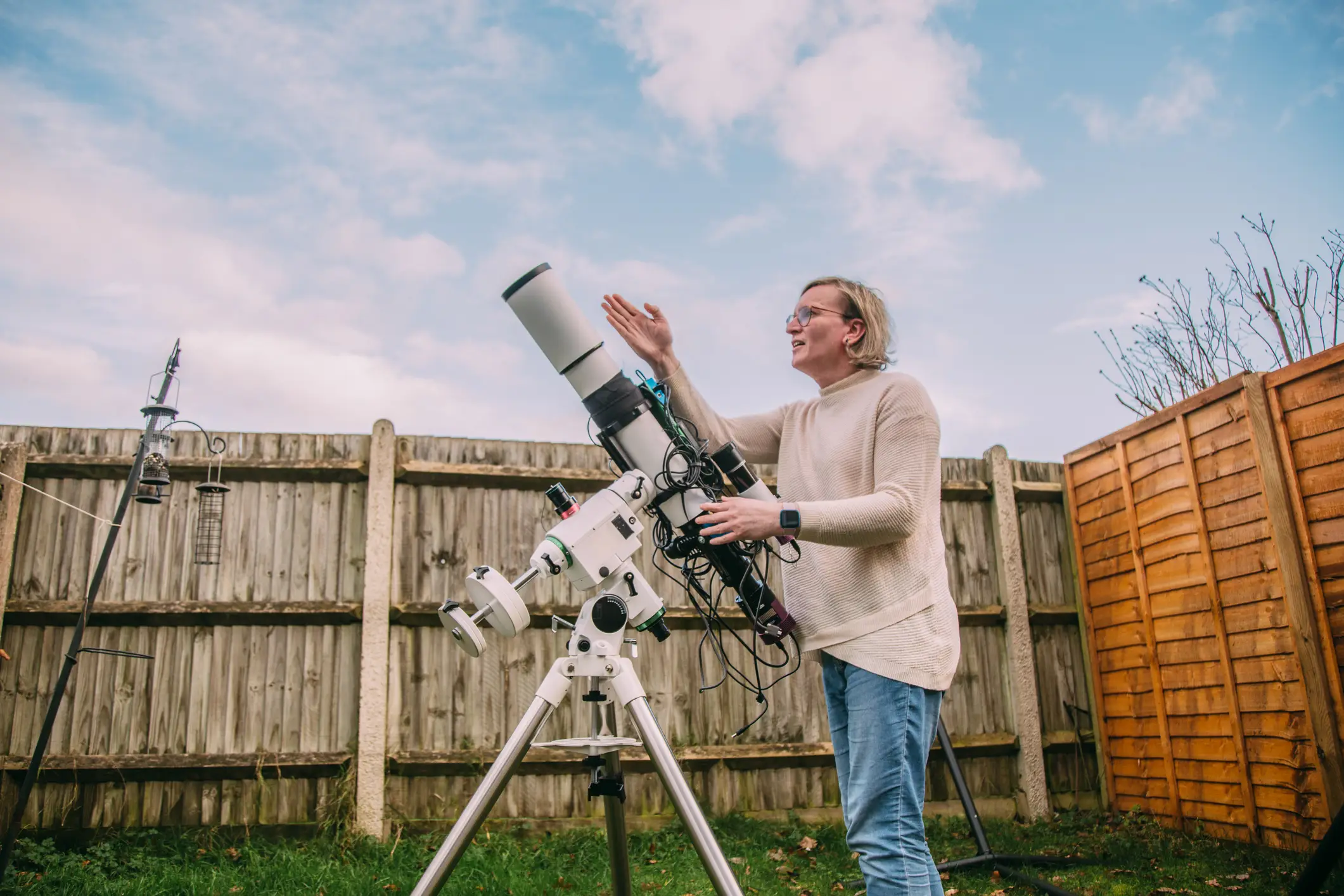
So, make sure you’ve got your binoculars or telescope out to enhance your chances of being able to spot it.
Previously, there have been a few asteroids that have come close to Earth, and some which have even struck us.
According to EarthSky, the 1997 NC1 is around 50 to 60 times wider than the Chelyabinsk meteor, which hit Russia in 2013.
The rock caused a supermassive sonic boom and a shock wave that broke the windows in not one, not two, but six Russian cities on impact.
It even led to around 1,500 people to need medical treatment.
Then there’s the 1908 Tunguska Event.
On June 30, the asteroid with a 130 foot diameter plunged into Earth’s atmosphere and exploded over Siberia, creating destruction in its wake.
As reported by NASA, local eyewitnesses reported seeing a fireball and hearing a large explosion before the forest fires began and the full impact was discovered.
Anyway, the 1997 NC1 is about to make its closest approach in over 400 years, and apparently, it won’t happen again until June 28, 2133, per IFL Science.
This means this is likely to be your only chance to see it with your own eyes.
That is, of course, unless you’re able to live some 200 years. In that case, you can afford to miss it.