
Expert reveals six warning signs of sleep apnea that you should never ignore


We all know how important sleep is. It's the time our brains and bodies get to properly reset after a long day, and yet so many of us either struggle to drift off in the first place or find ourselves wide awake at 3am staring at the ceiling.
Luckily, there are a bunch of military methods and expertly verified ways to 'trick' your brain into falling asleep so you can get your Zs in.
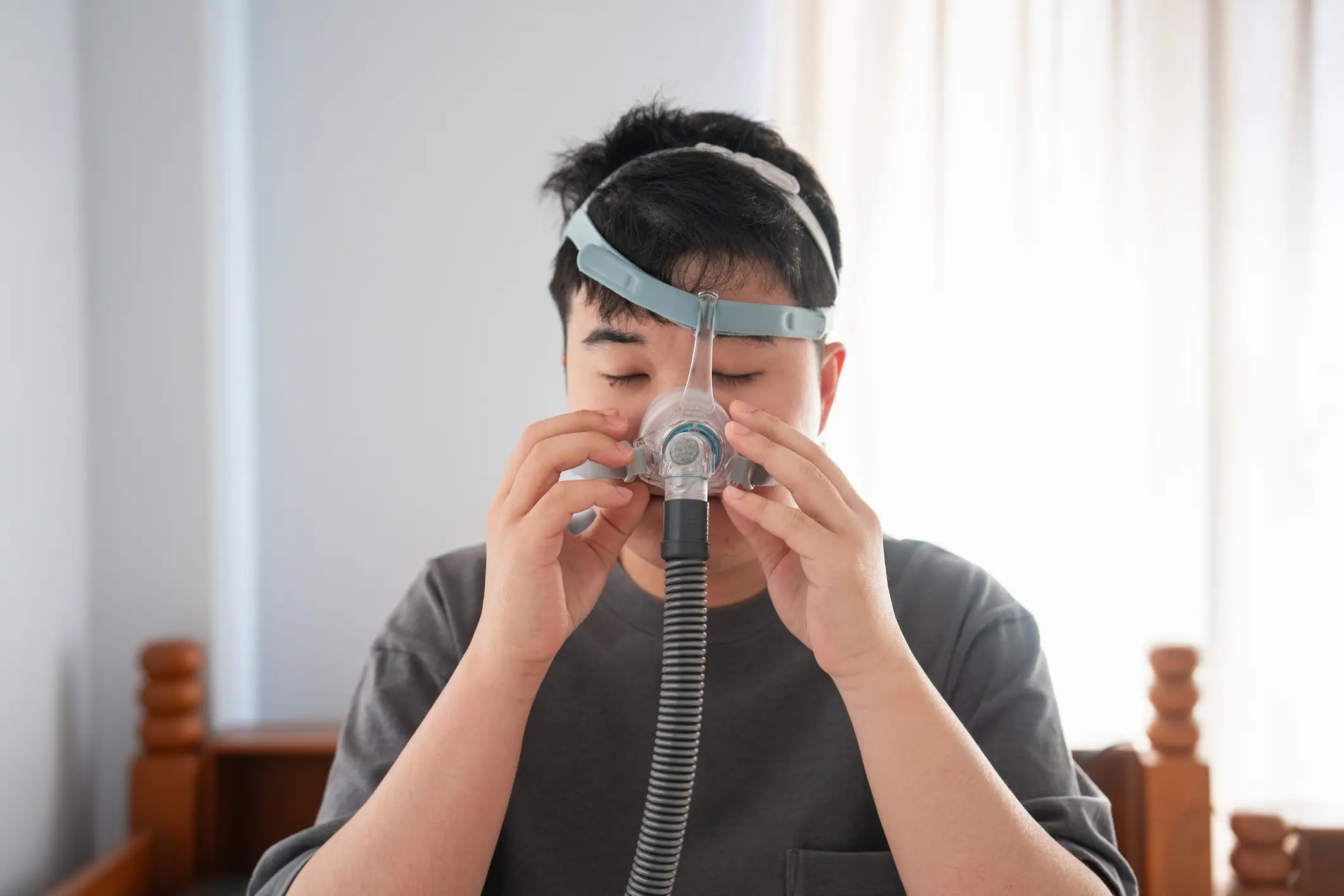
However, for some people, the problem runs deeper than stress or a bad mattress. Conditions like sleep apnea and insomnia can make restful sleep feel virtually impossible and what's alarming is that huge numbers of people have it without even knowing.
Advert
Sleep expert Dr. Michael Breus, widely known online as the Sleep Doctor, recently appeared on Steven Bartlett's The Diary of a CEO podcast, where he broke down exactly what sleep apnea is and the six warning signs that should never be brushed aside.
First, Dr. Breus defines sleep apnea as what happens when snoring causes the tongue to fall back and block the airway.
"You literally stop breathing for a few seconds and then all of a sudden you make all these kinds of [...] grunting, groaning noises and then you wake up," he explained. "This can happen hundreds of times a night and it can be very problematic."
As alarming as that sounds, it's the scale of undiagnosed cases that really puts things into perspective.
The scientist estimates that somewhere between 18 and 20 percent of people in the US are living with sleep apnea without a diagnosis. Bartlett noted that when he looked at the statistics, roughly one in seven people are affected, making it about as common as diabetes.
So how do you know if you might have it? Dr. Breus says to ask yourself these six questions:
- Do you snore?
- Do you wake up gasping for air?
- Has anybody told you that your snoring stops for brief periods of time?
- Has anyone told you they've heard you gasping for air in the night?
- Do you wake up with a headache in the morning?
- Do you find your moods are up and down?
If any of those ring true, it could be worth looking into, Dr. Breus suggested.
He also showed a sleep-testing device that monitors oxygen levels, heart rate, breathing interruptions, and sleep stages throughout the night, feeding all the data back to an app on your phone so you can see exactly what's going on while you sleep.
And if that's not enough to make you take a second look at your sleep routine, Dr. Breus cited research from the Queensland Brain Institute at the University of Queensland suggesting that people with untreated sleep apnea have a 45 percent higher risk of developing Alzheimer's disease.
It turns out that a bad night's sleep might be more than just an inconvenience!