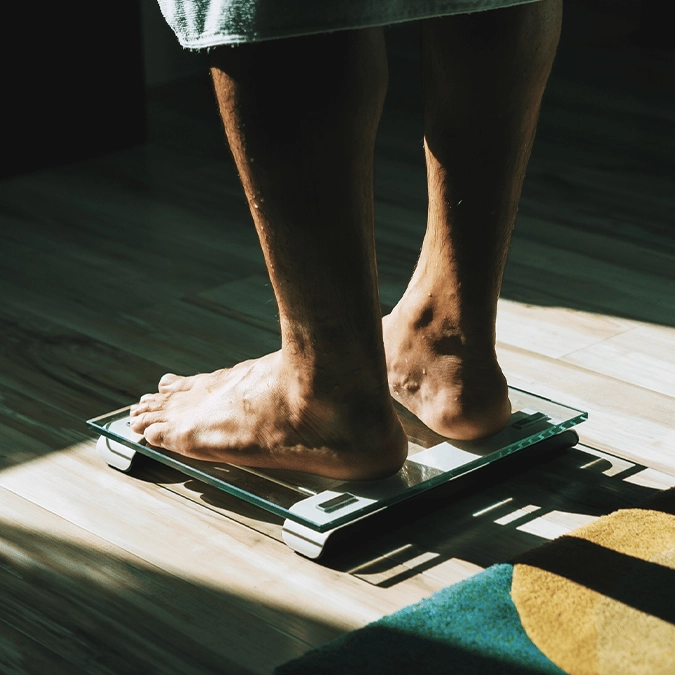
Health expert warns about fat-producing 'obesogens' hiding in everyday items and destroying your metabolism


Staying ‘healthy’ feels like a never-ending battle in 2026, and to be honest, we'll blame all those food influencers telling us about the latest restaurants and secret menu hacks.
Robert F. Kennedy Jr.'s mission to 'Make America Healthy Again' has already seen the United States Department of Agriculture overhaul the government's dietary guidelines, although it's been criticized for its focus on fats and red meat.
We've been warned about the cancer-causing potential of our lunchtime sandwiches and breakfast cereals, and let's not even get started on the dangers of ultraprocessed foods.
On the other side of the health coin, we've seen a boom in weight loss drugs like Ozempic and Wegovy, although they also come with various drawbacks.
Advert
Even though many remain determined to sculpt their summer bodies through the old-fashioned methods of diet and exercise while banging on about superfoods, we could already be at a disadvantage without even realizing it.
What are obesogens?
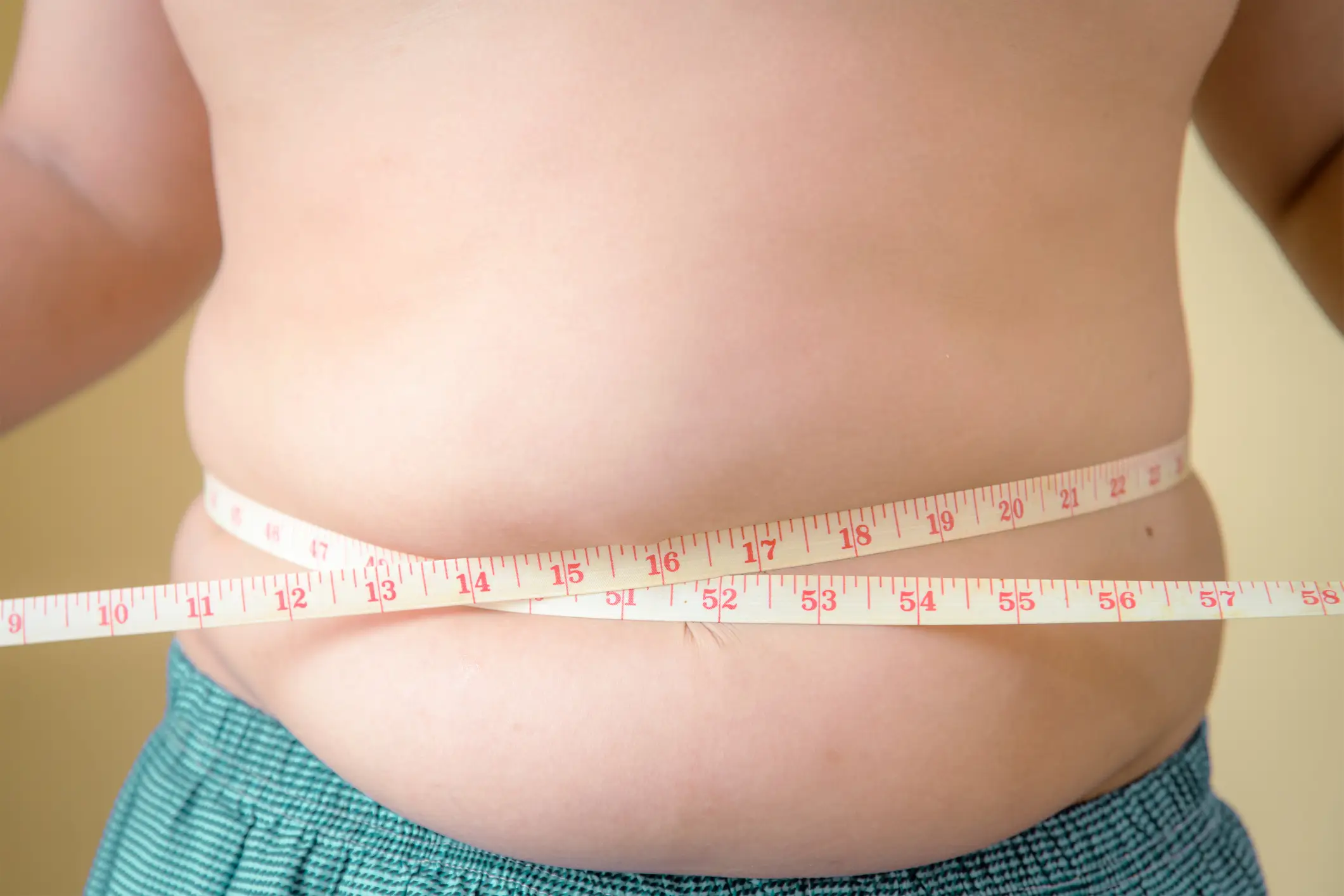
Apparently, the hidden menace of obesogens could be inadvertently piling on the pounds as our metabolisms are wrecked by these chemical compounds. Worse yet, they're supposedly lurking in everyday items that you wouldn't think twice about picking up.
Speaking to the New York Post, Dr. Robert Lustig has put his scientific background as an emeritus professor and member of the Institute for Health Policy Studies at UC San Francisco to good use, explaining how our weight loss journeys are being sabotaged by these endocrine-disrupting chemicals (EDCs).
EDCs work by altering the development of our fat cells and disrupting energy balance. Giving us just another thing that keeps us up at night, Lustig warned: "They are in the water, they are in the food, they are in the home."
EDCs are said to mimic, block, or interfere with hormones that regulate growth and metabolism in the body – also affecting reproduction and mood. Dr. Lustig continued: "If endocrine-disrupting chemicals alter DNA, they are called mutagens. If they differentiate or grow adipocytes, they are called obesogens."
Where can you find obesogens, and how can you avoid them?
Much like a spike in awareness of microplastics, there's also not much you can do to actively avoid obesogens due to them being in everything from cleaning supplies to food packaging, our clothes to makeup.
Lustig maintains that there's a 'clear causation' that obesogens are linked to obesity in animal studies, although more research needs to be done into their effects on the human body.
He reiterated that randomized controlled trials would be 'illegal', due to purposefully exposing humans to substances that could be considered harmful in later life.
Claiming that the most potent obesogens are the ones that act as estrogens, Lustig added: "Many of these are insecticides because they disrupt the insect life cycle. Others include organic household compounds like vinyl flooring, plasticizers and flame retardants."
As for the so-called 'Big Kahuna', Lustig called out fructose – the sweet molecule in sugar.
We're told to look out for bisphenol A, which is especially found in plastic products and on the lining of canned foods, as well as phthalates that are typically in plastics, fragrances, and personal care products.
You also need to be wary of 'forever chemicals' from non-stick cookware, waterproof fabrics, and food packaging, parabens from beauty products, and organotin compounds that hide in pesticides and PVC pipe.
Now that we've given you nightmares, Lustig's advice to avoid obseogens is to buy organic food and try to limit your exposure to insecticides or air pollutants by moving away from freeways and high-traffic routes. As well as living in the middle of nowhere and living on the land, he suggests you filter your water and consume as little sugar as possible.