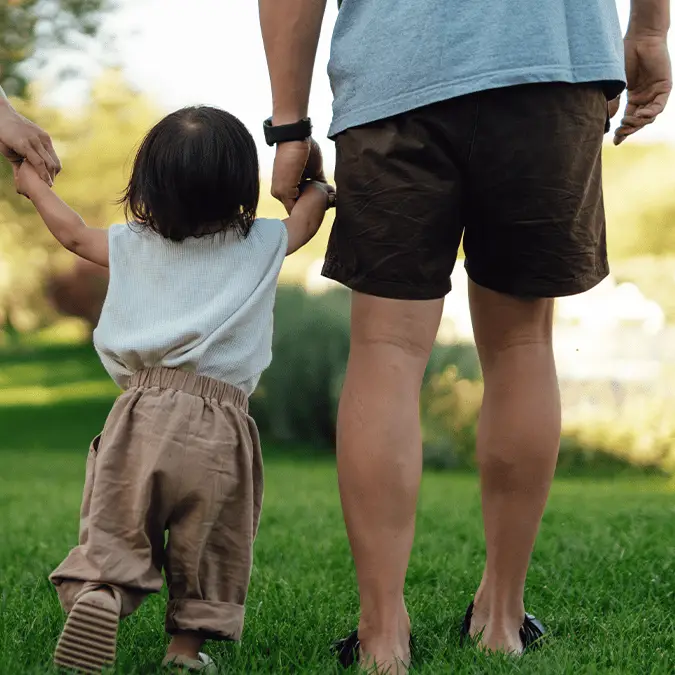
Shocking study reveals exactly how quickly humanity would go extinct if we stopped having children


Humanity is all about balance, although global populations have been ever-increasing over the past 100 years to the point where now over 8,000,000,000 currently live on Earth.
While growth has slowed down in recent years, there are still plenty more people dying than those being born, meaning that Earth is likely to reach a population count of 10,000,000,000 roughly by the 2080s despite having less than half that number just a century earlier - and some studies even suggest that we might have reached that figure already.
Countries like China have introduced one-child policies in the past as a means of combatting overpopulation, yet some people like Elon Musk have made it their own mission to have as many kids as possible - with suggestions that the billionaire has aimed for 5,000 offspring.
While many scientists have forecast the apparent dangers of overpopulation, especially as the stresses of climate change increase, the opposite scenario could in fact be as, if not far more, dangerous in the long term.
Advert
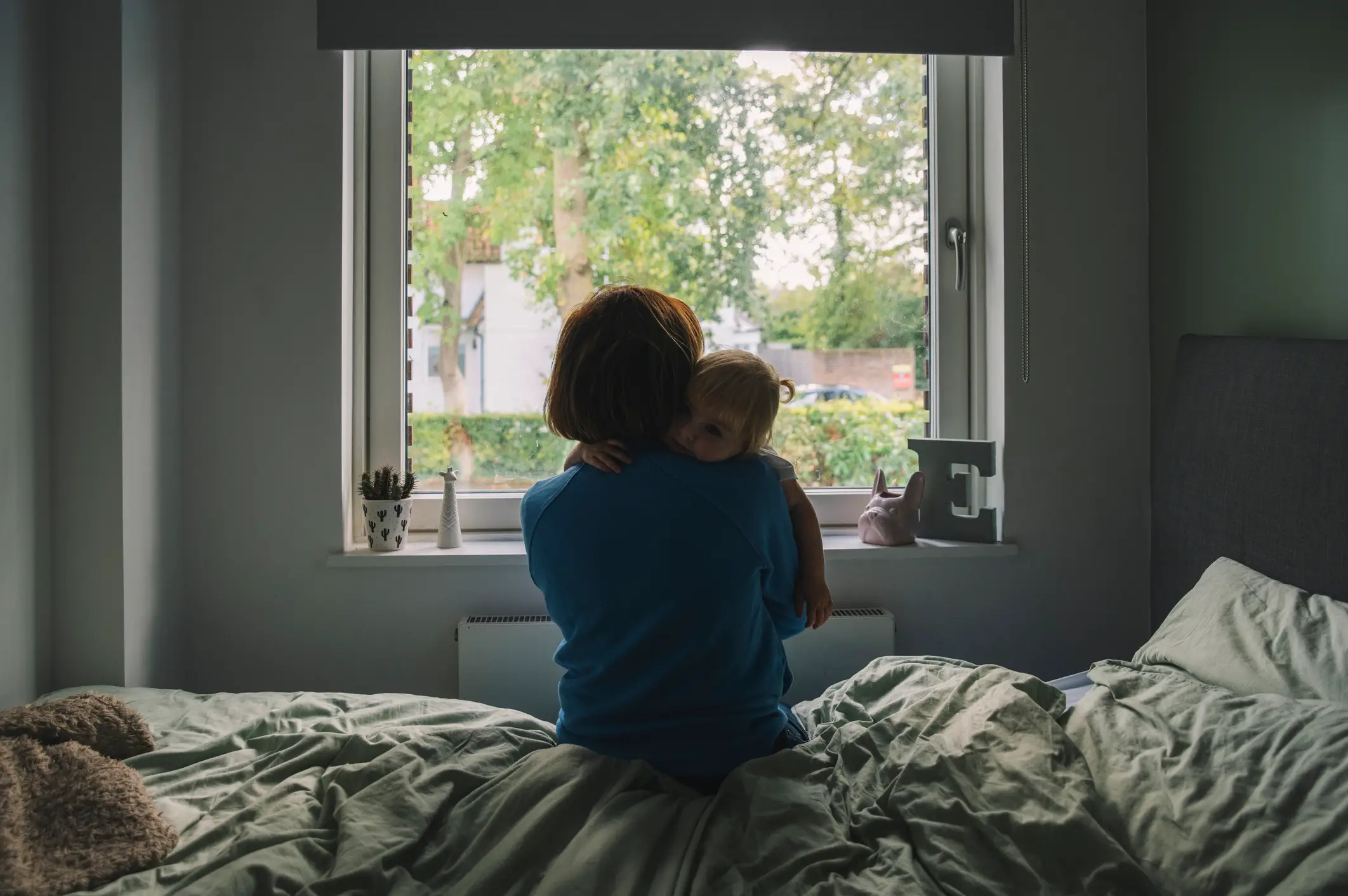
As reported by the Metro, one shocking study reveals exactly quickly humanity would go extinct if everyone stopped having children, and it's a lot quicker than you might expect for reasons you likely haven't even considered.
The study, led by anthropologist Professor Michael Little of Birmingham University, reckons with the realities of a population that completely ceases its growth, as the effects on humanity would extend far beyond the average age of death.
Writing in The Conversation, Professor Little indicates that while humans very rarely live beyond 100 years, the knock on effect of people not having children would cut this short even more.
"Eventually there would not bee enough young people coming of age to do essential work, causing societies throughout the world to quickly fall apart," Professor Little explains. "Some of the breakdowns would be in humanity's ability to produce food, provide health care and do everything else we all rely on."
Part of the reason why humans are able to live for so long right now is because there are younger people available to provide health care and complete essential tasks that help keep us alive, but without a younger generation those that were born last would be left to fend for themselves, dramatically increasing the risk of an early death.

Moreover, despite a rapidly declining population as people die with no births to make up for their losses, food would become dramatically more scarce and that would have a major effect on the lives of those still left on Earth - although who knows where the world of robotics will be by then.
"Eventually, civilization would crumble. It's likely that there would not be many people left within 70 or 80 years, rather than 100, due to shortages of food, clean water, prescription drugs and everything else that you can easily buy today and need to survive," illustrates Professor Little.
While the immediate short term effects of a world with no more births would not be seen, the issues would quickly arise in the following decades, with things likely starting to fall about around half a century after the 'event' that causes mass infertility.
Comparatively issues with overpopulation would spring up far quicker, but there would in theory be means for humanity to deal with this issue, and it wouldn't provide the same inevitable destruction that a lack of new births would cause.