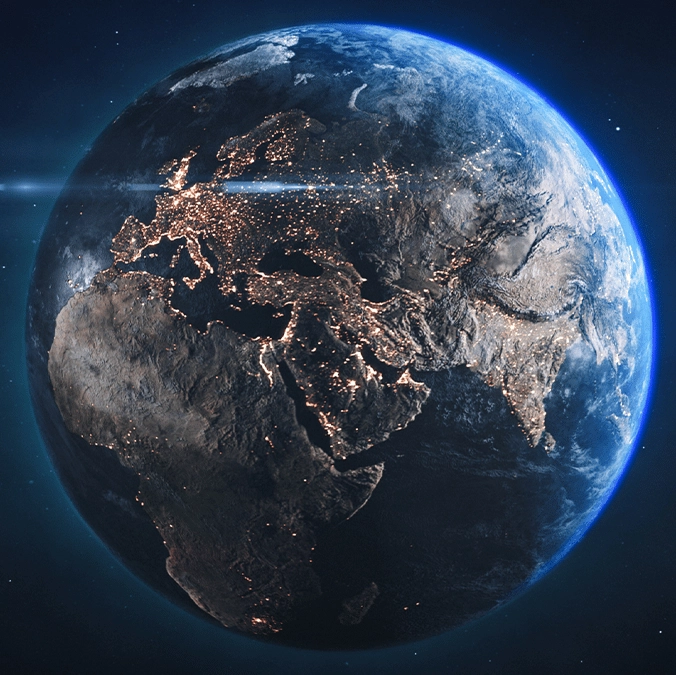
Scientists warn there could be over 1,000,000,000 people living on the planet and no one knows about them


Large parts of the global population might very well have been missed out of census statistics, indicating that the number of people that exist worldwide could be over 1,000,000,000 more than we currently are aware of.
While there would be staggering effects on the Earth if humans never existed, our species has remained to dominant driving force on this planet and the overall population continues to grow over the years.
Current estimates indicate that there are just over 8,000,000,000 currently living across the planet, with scientists offering predictions that this number could reach 9 billion by 2037 and 10 billion by 2058.
However, we might actually already be there, as proposed by a new study published in Nature Communications, as it hypothesizes that population numbers in rural areas in particular could be undercounted by anywhere between 53% and 84%, with over a billion people worldwide likely not included in overall numbers.
Advert
The study, as reported by the Independent, outlines that rural areas can often provide roadblocks for researchers:
"Communities in remote locations or impacted by conflict and violence are difficult to access, and census enumerators often face language barriers and resistance to participation."
Once this happens, people in these areas are technically counted as 'not existing', and thus don't make their way into the overall numbers we typically associate with global populations.
A key part of the research involved investigating data from 307 different dam projects across 35 countries. Josias Láng-Ritter and his team at Aalto University in Finland then used the number of people that were reported to have been resettled following displacement from the dam, to the population data from areas that they were known to have moved to.
There were then clear differences and 'missing' people in the latter data, with estimates that populations following resettlements were undercounted by at least 53%, with the worse case scenarios being as extreme as an 84% miscalcuation, as per NewScientist.
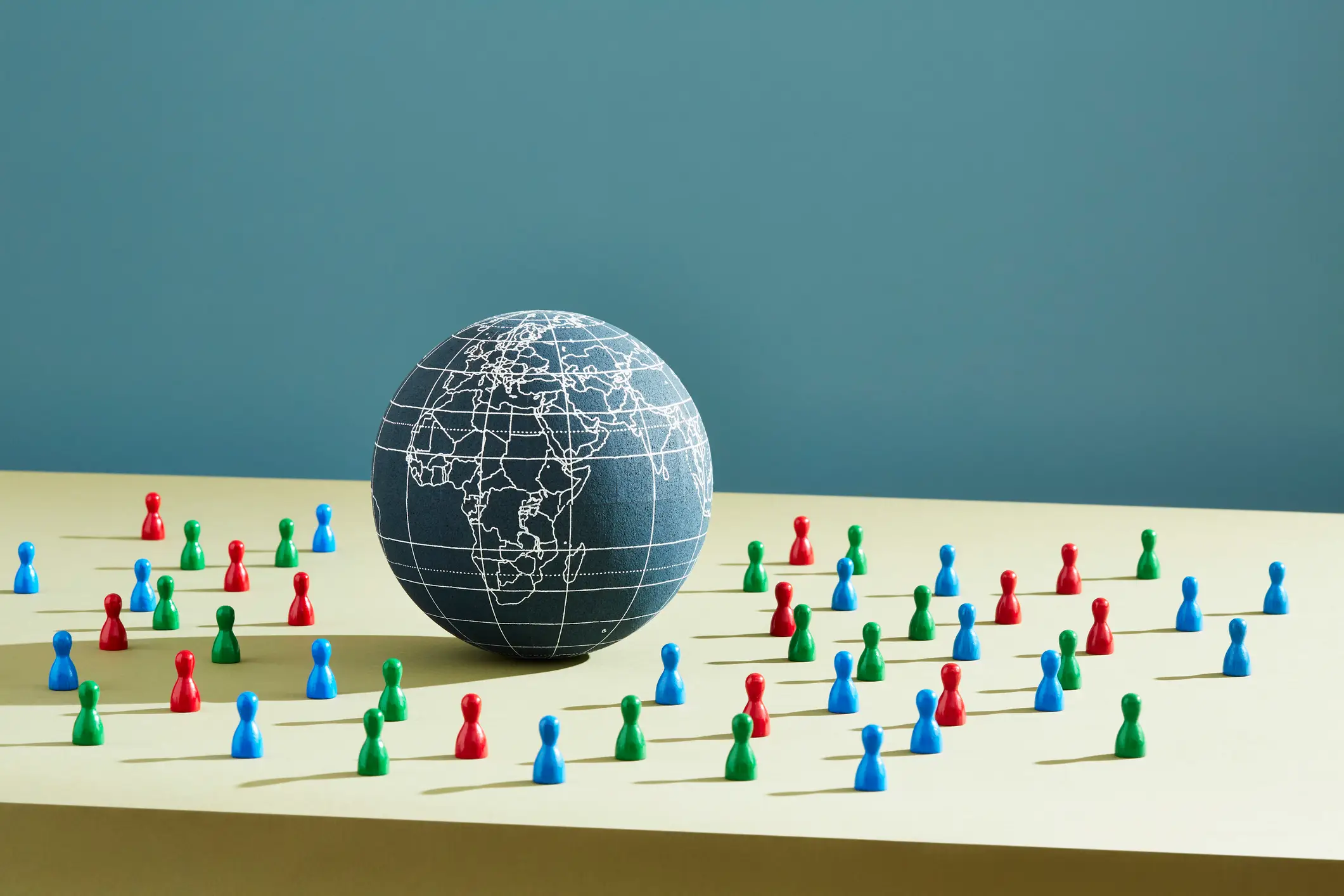
"We can say that nowadays, population estimates are likely conservative accounting," explains Láng-Ritter, "and we have reason to believe there are significantly more than these 8 billion people."
Correcting both the data sets and the systematic biases placed against rural areas could cause major change when it comes to government efforts too, as census and population data is used to plan for transport, health, aid, and far more.
"The impacts may be quite huge, because these datasets are used for very many different kinds of actions," Láng-Ritter illustrates.
Fundamentally, this study wouldn't just change an already incomprehensible number into an even larger one, but it could significantly benefit rural areas and communities and could change things for the better on a larger scale.