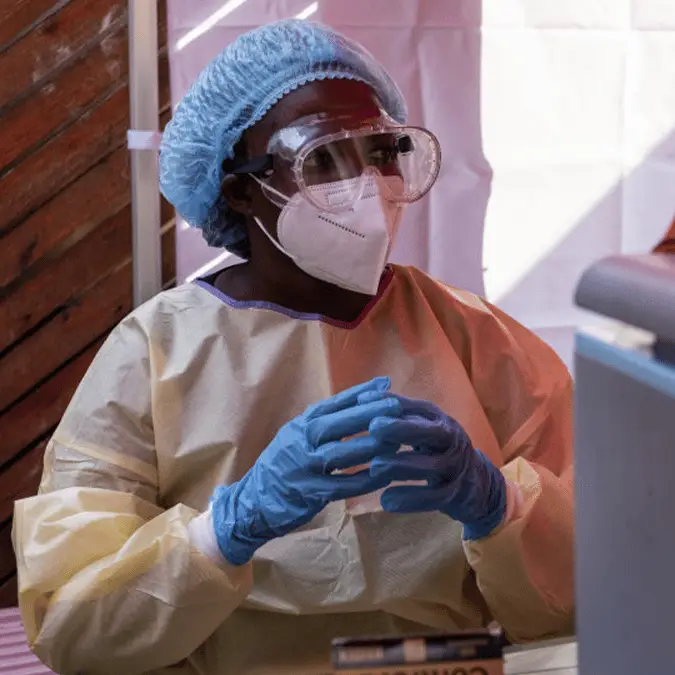
Ebola outbreak with no vaccine triggers international public health emergency declaration


Health concerns have been growing over the hantavirus following a series of confirmed cases linked to a Dutch cruise ship, with the final passengers only now being allowed to return home.
Alongside an increase in cases and related deaths, a separate and equally alarming outbreak has just been declared a global health emergency.
The World Health Organization has declared a 'public health emergency of international concern' following a new outbreak of Ebola virus disease in central Africa.
Caused by the rare Bundibugyo strain, the outbreak has resulted in more than 300 suspected cases and at least 131 deaths, according to health officials.
Advert
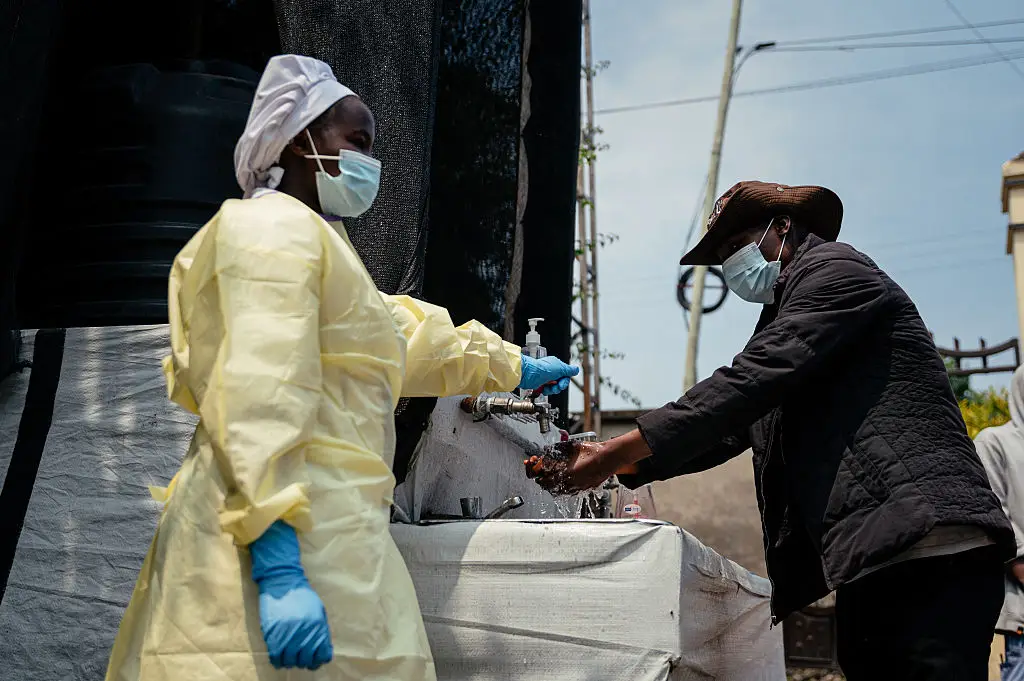
Bundibugyo is a rare and dangerous form of the virus, first identified in 2007 and detected only once since, in 2012. Unlike the more widely known Zaire strain of Ebola, for which vaccines do exist, there is currently no approved vaccine or specific treatment for the Bundibugyo strain.
Instead of spreading through the air, Ebola is transmitted through direct contact with the bodily fluids of an infected person. Symptoms can include fever, muscle pain, rash, severe weakness, abdominal pain, vomiting blood and nosebleeds.
As it stands, at least 131 deaths have been reported in the Democratic Republic of Congo, with more than 513 cases suspected, according to local officials. Uganda has reported two confirmed cases and one additional death.
"The Bundibugyo strain has no vaccine, no specific treatment," DR Congo health minister Samuel-Roger Kamba warned at a press briefing in Kinshasa on Saturday. "This strain has a very high lethality rate which can reach 50 percent."

In America, at least six nationals have been exposed to the Ebola virus in the Democratic Republic of Congo. The WHO has responded by sending five tonnes of medical supplies to the DRC and releasing $500,000 (£374 000) from its emergency contingency fund.
The agency has urged all neighbouring countries to boost disease surveillance and has recommended exit screening at international airports, seaports and major land border crossings. Any confirmed cases are to be isolated immediately, and individuals who have been in contact with confirmed cases are advised not to travel internationally for 21 days following exposure.
The decision follows as a result of poor conditions, high levels of cross-border population movement, and a large network of informal healthcare facilities, all of which increase the risk of further spread of Ebola.