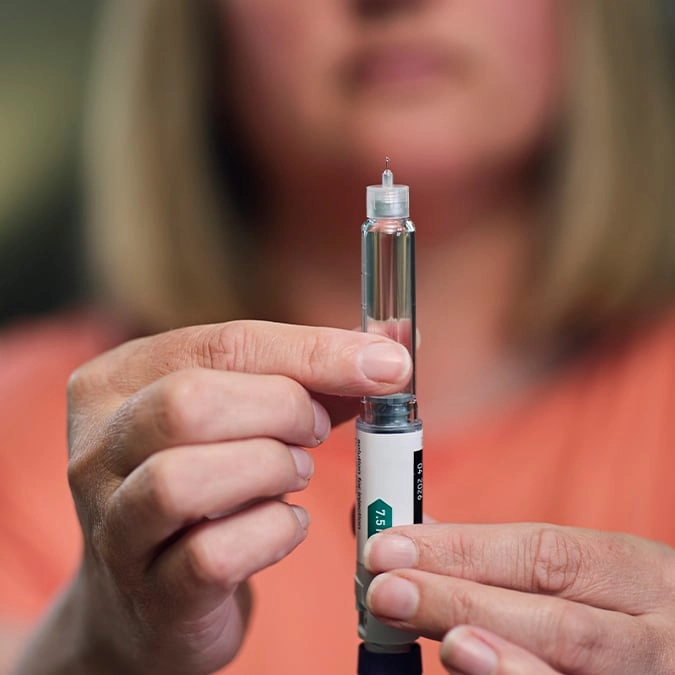
Dentist issues warning over little-known GLP-1 side effect causing tooth decay and cavities


As GLP-1 injections have taken the weight loss industry by storm in recent years, new side effects are being discovered, with experts issuing an urgent warning to patients.
This comes as the phrase ‘Ozempic teeth’ has begun to do the rounds on social media, with some commenting on how the drug can possibly impact your oral health.
Now, a dentist is urging people to be wary of a little-known side effect that could cause tooth decay and cavities.
As reported by NDTV, Dr. Sindhu U Muktamath, who is the HOD of Dental Science at Aster Whitefield Bangalore, said: “The term Ozempic teeth has emerged as an informal way to describe dental problems reported by some users of Ozempic. The medication itself does not directly damage teeth. However, certain side effects associated with its use may increase the risk of cavities and other forms of dental decay.”
Advert
So, why might people who use GLP-1 medication be at risk of dental issues? According to the expert, this is down to other factors associated with the drug.

She continued: “One of the primary contributing factors of the dental problems is the dry mouth, which occurs when the body does not produce enough saliva. Saliva plays a vital role in oral health by neutralizing acids, washing away food particles, and helping control bacterial growth.
“When saliva production decreases, the risk of tooth decay increases significantly.”
Some patients experience dehydration which can contribute to the reduction in saliva flow and, of course, there are other side effects including nausea, vomiting, and acid reflux that can impact the health of enamel too.
Other side effects from GLP-1 weight loss medication
Earlier this year, other side effects including the so-called ‘Ozempic Butt’ have also been reported.
This came after one person wrote on Reddit: “Anyone else’s ass hurt? Ever since I lost all the weight thanks to Ozempic, I have no fat on my butt. By the time I get through most of the day at the office, my butt is killing me.”
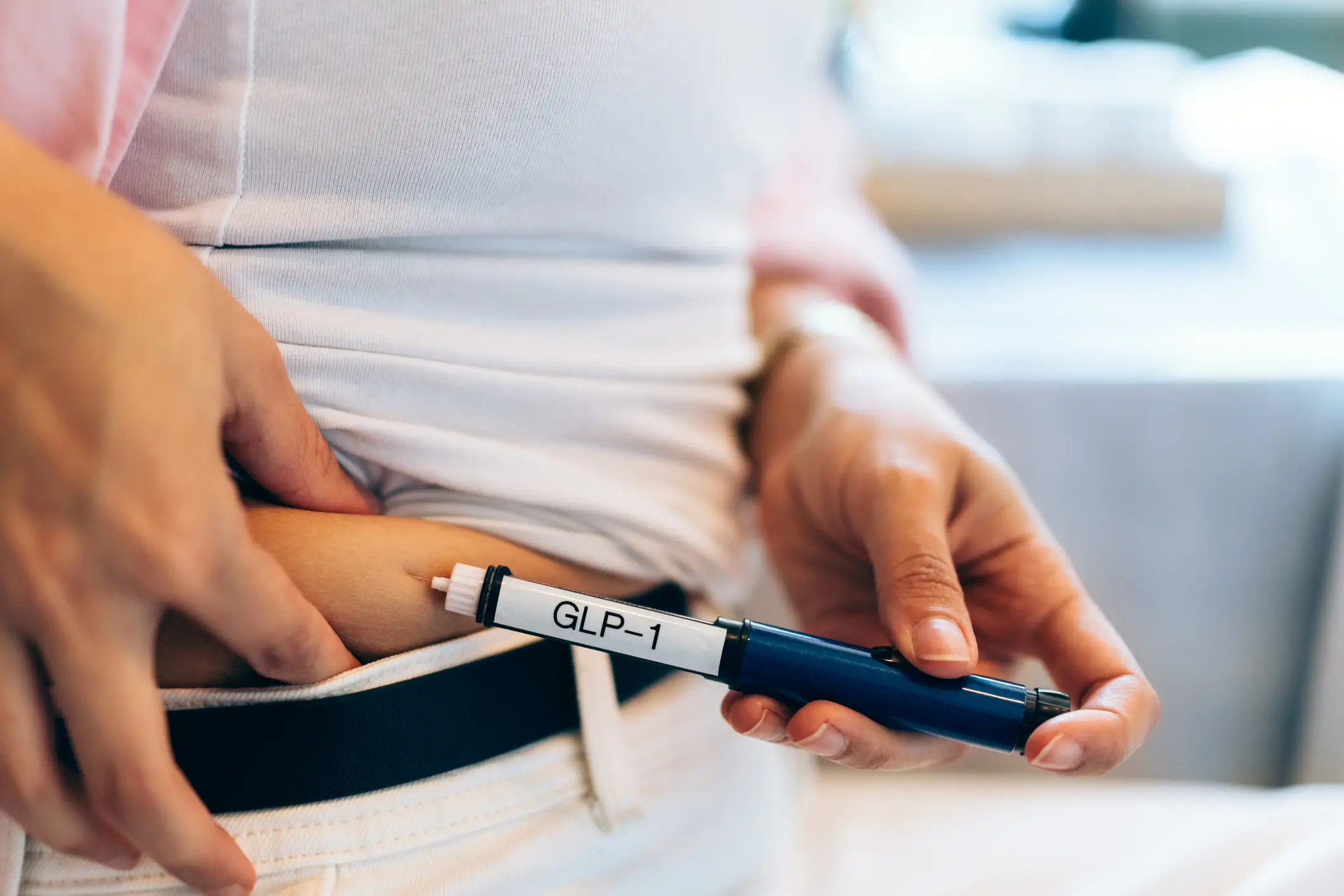
Dr W. Scott Butsch, who specializes in weight loss, spoke to Cleveland Clinic, explaining: “The public term ‘Ozempic butt’ may be a result of what we see with weight loss in general.
“When somebody loses weight - whether that’s with diet changes, an increase in physical activity, medication or bariatric surgery - we know there’s a reduction in fat mass, as well as a reduction in muscle mass. Your body doesn’t need to carry that previous weight, so there’s a shrinking of the muscle.”