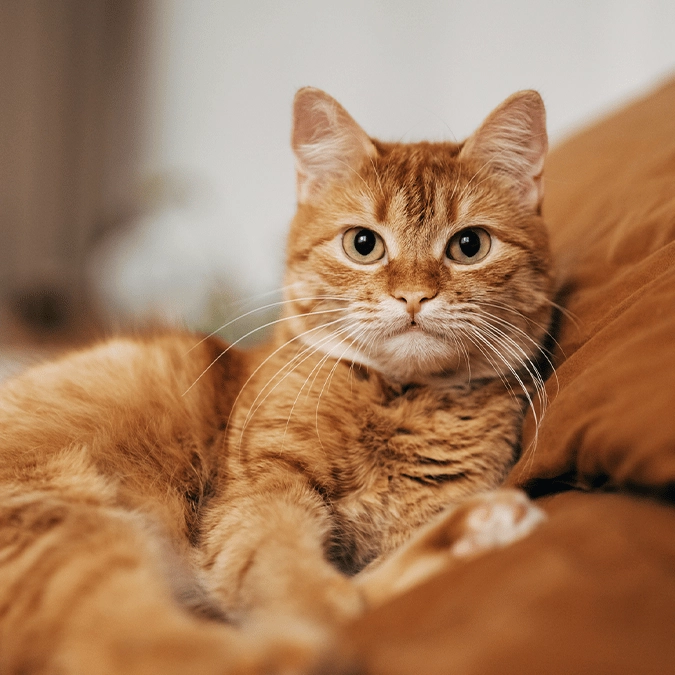
People who leave their cats alone all day will now be fined in one country


For a lot of owners, cats feel like the low-maintenance option, but ignoring your feline pet in one particular country for a whole day will now have consequences.
A set of animal welfare rules is suddenly making people look twice at what counts as normal pet ownership. It isn’t focused on toys, cameras, or clever feeders.
It’s about supervision, routine check-ins, and whether leaving an animal unattended for long stretches crosses the line into neglect. In this one country, falling short of that minimum standard can lead to penalties, including fines, if it’s reported or enforced.
That country in particular is Sweden.
Advert
Guidance from the Swedish Board of Agriculture sets out a baseline expectation for owners, and it’s not vague. It states: “You should check on your cat at least twice a day.”
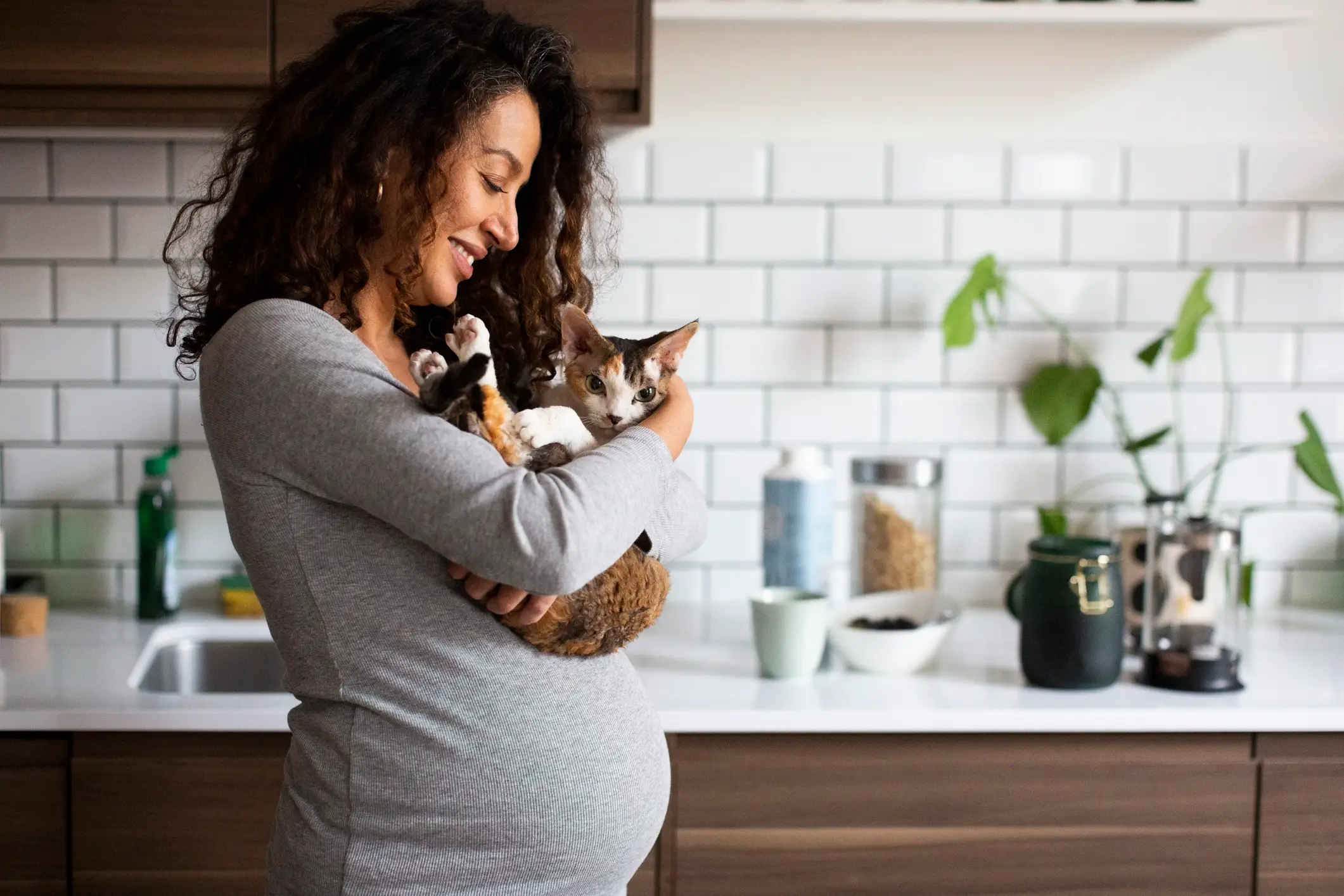
The same section adds: “Newborn, sick or injured cats should be checked more often,” and says the same applies to cats ‘behaving abnormally’ and ‘pregnant female cats around the time of giving birth.’
Owners don’t get a free pass just because a cat goes outside, either. The guidance explicitly states: “Outdoor cats and barn cats also depend on the care and attention of their owner.”
That ‘at least twice a day’ rule is one of the main reasons the all-day question keeps coming up. With that wording, it's easy to think one pet owner could just commute home from work on a lunch hour, pop in for a minute, and then immediately leave with that part of their quota filled.
As for any punishments, the Swedish Board of Agriculture advises that if you break any of these rules, and it's discovered, you'll be demanded to 'correct the deficiencies', along with a fine if you fail to do so.
What's more, the guidelines state: "You can also be sentenced to a fine or imprisonment for a maximum of two years if you are convicted by a court of violating animal welfare legislation.
If you intentionally or through gross negligence cause suffering to animals, you can be sentenced to a fine or imprisonment for animal cruelty under the Criminal Code. If the crime is considered serious, the sentence can be imprisonment for a minimum of 6 months and a maximum of 4 years."
If you either keep offending or break the new law in a serious enough way, Sweden's country administrative board can execute a 'so-called animal ban' to prevent you from taking care of any more animals going forward.
To fulfil these requirements, however, Sweden’s expectations for check-ins aren’t limited to a quick headcount either. On basic care, it says: “Your cat should have free access to drinking water.” It then gets more specific about outdoor conditions, warning: “If your cat is fully or partially outdoors when temperatures are below freezing, you should make sure it can drink enough water. In this case, you should give it water at least twice a day.”
Then there’s the environmental side of it, where the rules move past the bare minimum. The guidance says owners should make sure a cat is comfortable, with ‘the opportunity to climb, scratch and sharpen its claws’ and ‘places to hide.’
For indoor cats, it’s even clearer that being ‘fine’ doesn’t just mean ‘fed’. It states: “For cats that are always indoors, it is especially important that they are active or given some other type of occupation.” It adds: “They should also be given mental stimulation and the opportunity to satisfy their needs to search for food and hunt.”