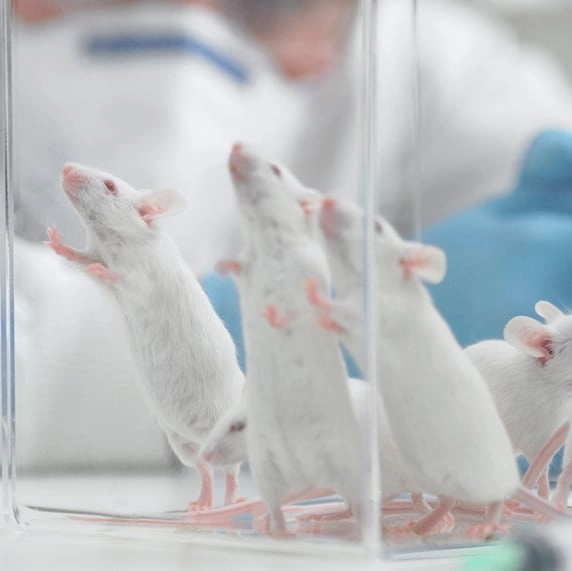
Government set to phase out animal testing and replace it with controversial alternative


The UK Government appears to be set to phase out animal testing after it unveiled a roadmap for alternative methods.
However, the replacement that has been outlined in a press release is proving to be controversial on social media.
The new strategy by the UK government has been welcomed by animal welfare organizations, with new £75 million ($99.2 million) funding being issued to assist with the development of new testing methods.
However, if animal testing is to become a thing of the past, what is set to replace it?
Advert
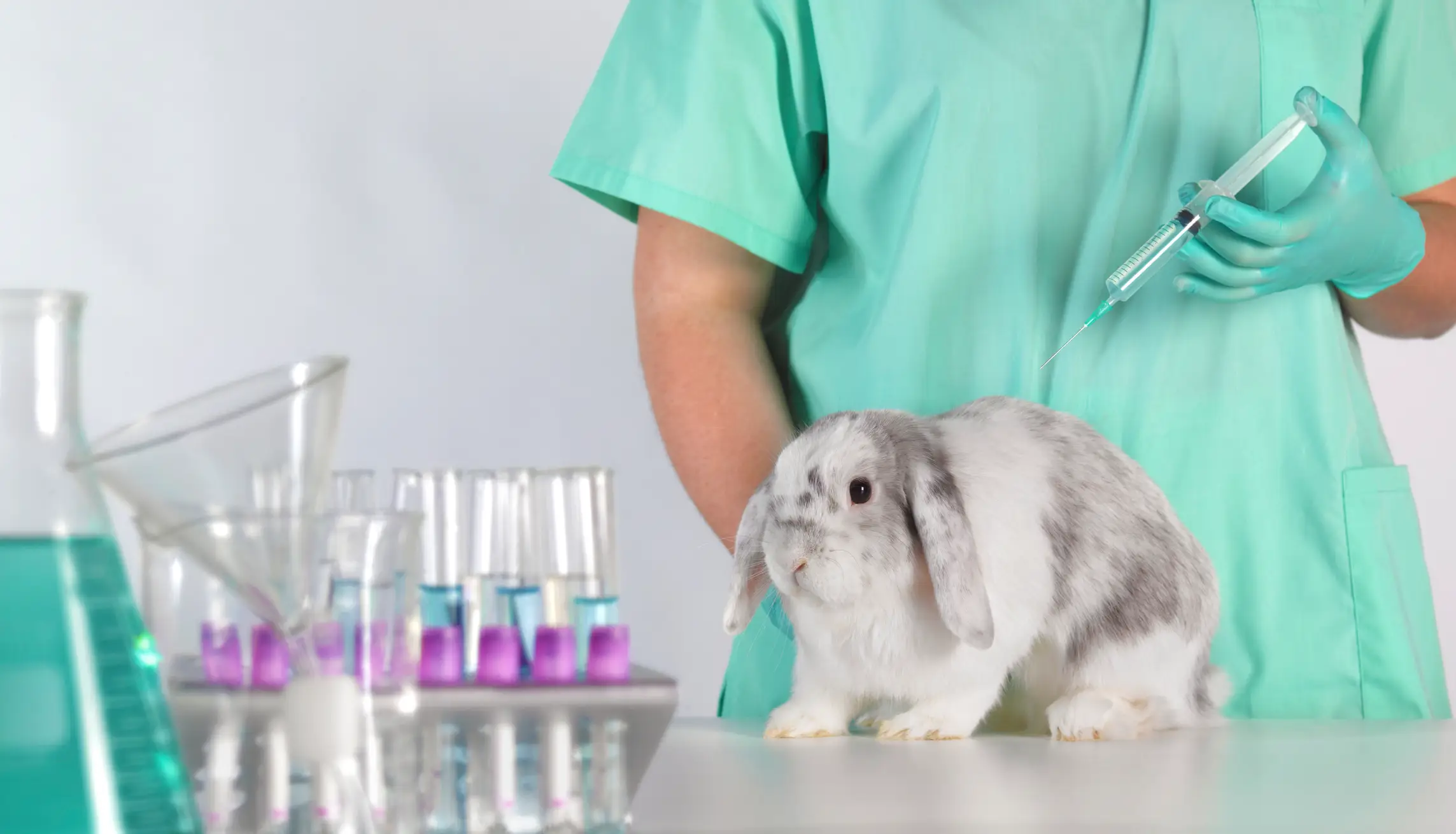
Which scientific methods will replace animal testing?
First up, researchers hope to pivot organ testing to organ-on-a-chip systems, which are tiny devices that ‘mimic how human organs work using real human cells’.
Artificial intelligence will also play a much larger role in the analysis of information about molecules in order to ‘predict whether new medicines will be safe and work well on humans’.
And that’s not all because 3D bioprinted tissues could also be used to create ‘realistic human tissue samples’, including anything from liver to skin, for testing.
With this method, the government has said that it will be able to provide ‘lifelike environments for studying human biology and checking if substances are toxic’.
Online backlash to animal testing being ‘phased out’
This has caused a stir online, with many people seeming to be divided on the matter.
On Reddit, one user wrote: “I know we all hate the idea of experimenting on animals but how do people expect things like vaccines to be produced? Do people just want to skip that incredibly important phase of testing and go straight to humans?”
Another said: “Doesn't this just mean we will rely on overseas results which do use animal testing?”
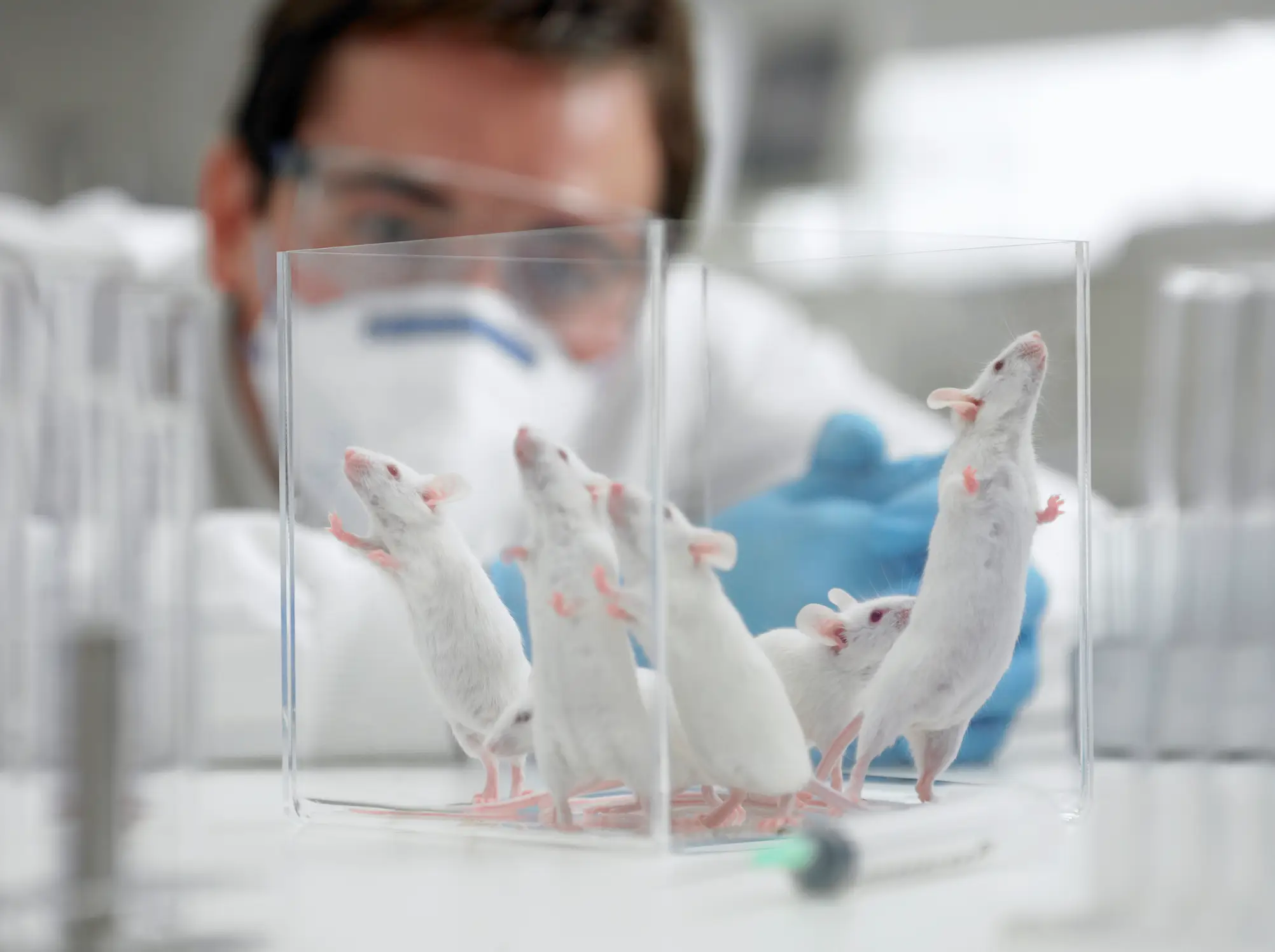
And a third added: “Are we just going to ignore the fact that animal testing is going to continue abroad and accept the medications when they come to market?”
Not everyone agreed with these comments as one user pointed out: “If we can achieve the same results with less suffering and cruelty inflicted upon living creatures, that can only be a good thing.”
And another said: “This actually sounds better as it's closer to humans than rabbits are.”
What does this mean for lab animals?
However, despite concerns, this news has been met with praise from animal welfare organizations.
Barney Reed, who is the Science and Policy Manager for Animals in Science, RSPCA, said: “Huge momentum has been building in recent years, with complex innovative technologies and new approaches enabling better, more human-relevant science to be done without harming animals.
“This strategy sets a clear ambition towards eliminating animal use and supports increased access to the infrastructure, collaborations and resources required to facilitate the further development and uptake of non-animal methods. This will help UK scientists to embrace the high quality, ethical science needed in a rapidly changing world.
“If supported and implemented effectively, the strategy should create a good foundation for accelerating the replacement of animals, which will be positive news for animals, science and society.”
Speaking to UNILAD Tech, Cruelty Free International's Director of Science and Regulatory Affairs, Dr Emma Grange, said: “Testing and experimentation on animals causes suffering and death to hundreds of millions of animals all around the world. This move is not about off-shoring that cruelty, it’s about getting on with the urgently needed work for a full transition to humane and reliable scientific methods.
“This work has already started – we have a number of established methods for safety testing chemicals, for example, which do not involve hurting live animals. With the release of their strategy, the UK government has joined other international players, including the European Union and the United States, in making a commitment to stepping this work up and driving forward progress internationally, to make real and lasting change. We are glad to see the UK joining the efforts to leave cruel and increasingly outdated animal testing methods behind.”