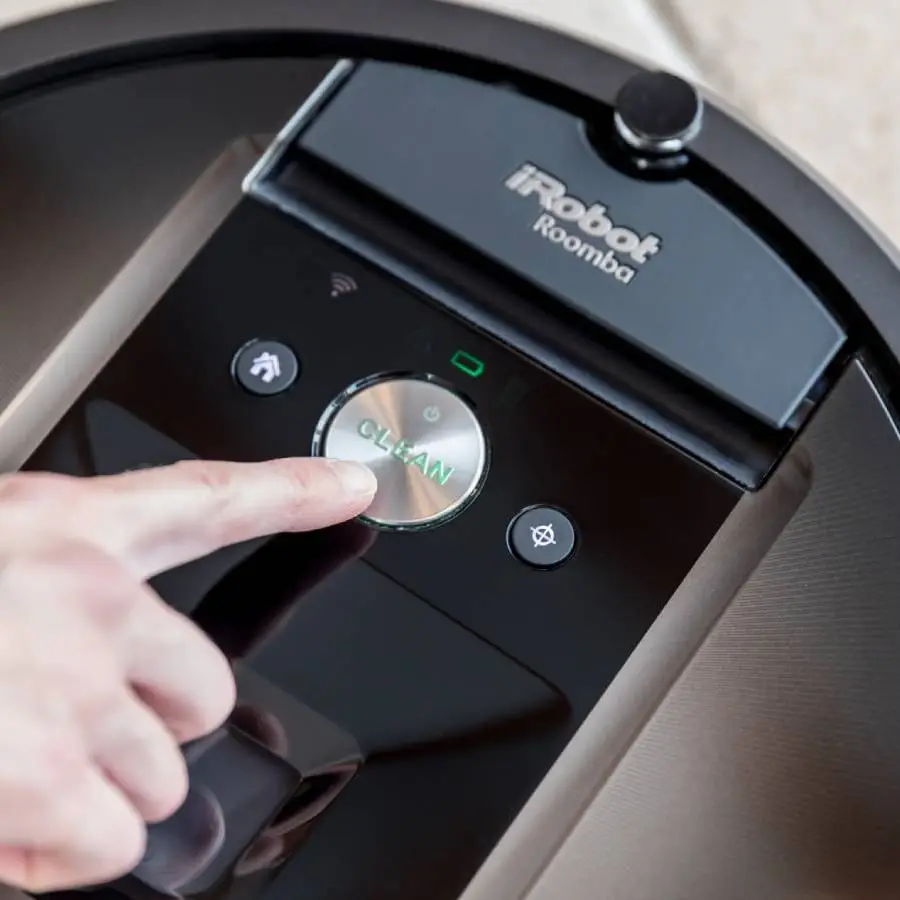
How to know if your robot vacuum is legal after FCC issues widespread ban


It looks like we're going to have to go back to doing it the old-fashioned way, as the American government is clamping down on robot hoovers amid privacy concerns. As we've seen with the various cases about having Amazon Alexa or smart doorbells in our homes, these are very real worries for the homes of tomorrow. Even more bizarrely, there were wild claims that our air fryers could be spying on us.
At a time when cybersecurity experts are constantly warning us about how bad actors are hacking into our smartphones to use our own information, there are also increased worries that the AI models we're confiding our darkest secrets in could blackmail us to save themselves. Now, there's another fear to add to the list, as the US Federal Communications Commission claims a different household appliance might be surveilling us. Are Roomba-style vacuums really robots sent from abroad to spy on us and infiltrate American homes?
Why has the FCC banned robot vacuums?
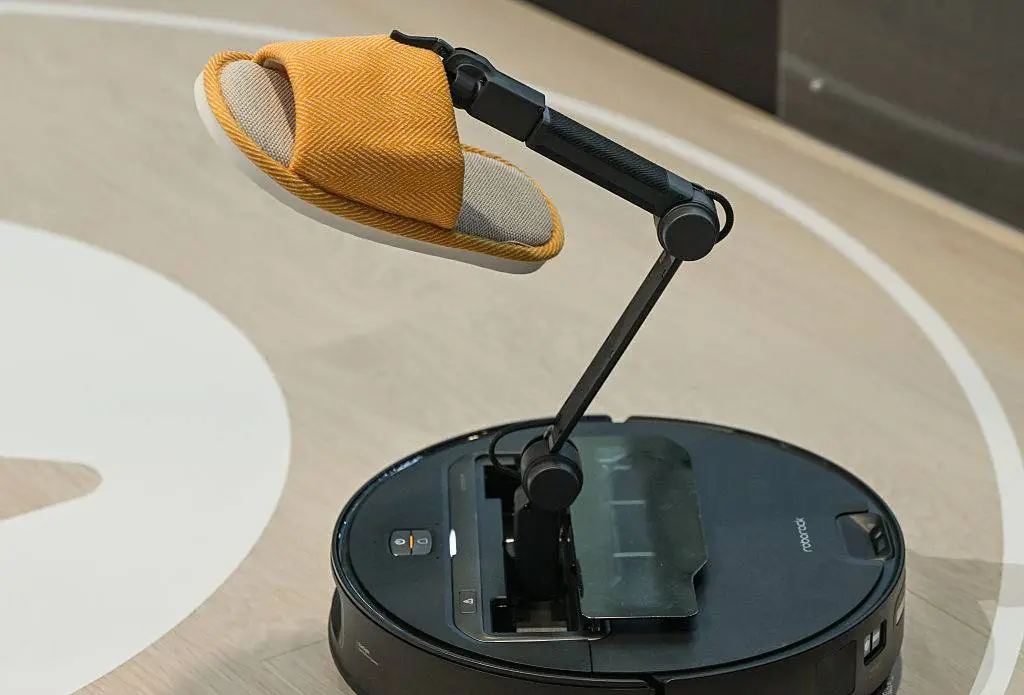
On July 28, 2026, the FCC sneakily added "foreign-produced advanced robotic devices" to its Covered List of tech that's flagged as a potential national security risk. This increasingly extensive list effectively bans the import, marketing, and sale of new models of specific devices in the USA. The list extends from foreign-produced drones and routers to anything from Huawei Technologies Company, those four-legged robot dogs you'll remember from Black Mirror to products from the Kaspersky Russian cybersecurity and antivirus provider.
Advert
While most of the headlines focused on the kind of human-mimicking humanoid robots that are becoming more common, it was soon noted that the ban even covers your vacuum.
These handy household appliances are good for keeping your floors sparkling (when not accidentally running through dog mess), but moving forward, restrictions will be slapped on new models.
That's where the fine print is especially important, as models that are already certified can keep shipping until the FCC employs its reserved right to revoke that status.
There's also a Conditional Approval pathway that allows vendors to keep selling their dust-loving vacuums if manufacturing is moved to the USA.
The FCC approves all devices with built-in wireless tech before allowing them to be sold in the USA, and as foreign models on the Covered List can’t receive authorization, importing and selling them is illegal.
How to know if your vacuum has been banned
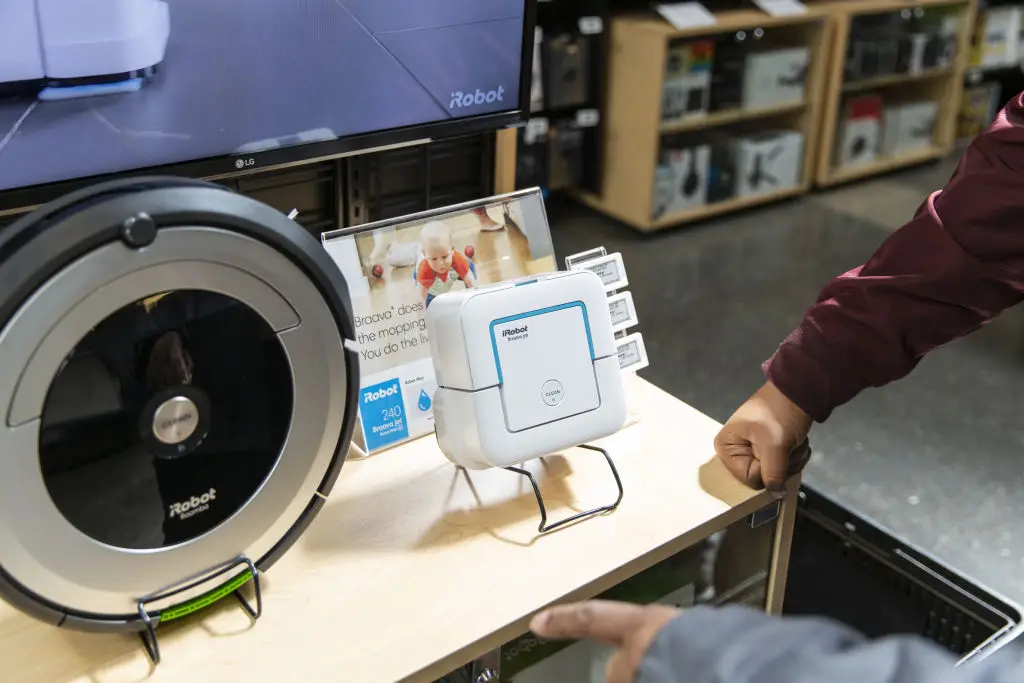
As reported by PC Mag, consumers are unlikely to be affected for up to a year, meaning you can probably keep using your robot vacuum or robotic mower...for now. An FFC FAQ page reiterates that the ban covers all advanced robotic devices that have a combined weight of the robot and base station that exceeds 4.4 pounds.
The outlet noted that all self-emptying vacuums it tested weigh more than that.
Banned devices also need a sensor that assists in perceiving a device’s environment, a component capable of providing network connectivity (wired or wireless) with connection speeds of at least 200 kbps in either direction, and software that controls autonomous navigation or movement either locally or remotely.
The whole point of most of these robot vacuums is that they happily sweep around your homes and detect obstacles, and that we can program them via our phones, meaning these stipulations cover most of the big brands.
It's said that China controls over 70% of the robot vacuum market, while even the historically US-based Roomba brand's owner is iRobot, which is operated by Shenzhen Picea Robotics. Shark maintains US headquarters, but products are built overseas.
There are concerns after the FCC retroactively banned 'military-grade' drones and cast its net over any models with LiDAR sensors, but the good news is that even if the FCC tried to ban vacuums that already have clearance, it still won't be illegal for you to own or operate your current model.
It'll just be much harder to get a new one, so let's hope they don't fall apart as soon as your warranty ends.