How to check if your information has been exposed online following leak of over 1,300,000,000 passwords


Data breaches happen all the time and there's a good chance that you've had your information leaked in at least a couple over the years, yet one of the most recent has left over 1.3 billion people wondering if they should change their password.
Even companies as big as Google have suffered from data breaches over the years, and you never know what small or otherwise inconsequential website you signed up to over a decade ago might have been hit by hackers in a recent attack.
It's hard to keep track and you can't always be aware of every breach that happens – especially for the smaller sites – yet one unlucky leak could leave your information exposed to the entire internet, especially if you're silly enough to use the same login details for every site.
It's not just social media accounts or website logins either, as your banking information and sensitive data could easily be accessed by cybercriminals if they have the right passwords and email addresses, so making sure that you're always on top is paramount.
Advert
Thankfully, there's a website that's perfect for this, as 'Have I Been Pwned' (HIBP) lets you check whether any of your information has been stolen over the years, with 920 tracked websites and over 17 billion leaked accounts.
All you need to do is enter your email address into the checking field, and it will draw up a list of breaches that the information is linked to, dating back over a decade.
While it might not necessarily be useful to know that the account you made on a sports forum in 2009 was breached, keeping up to date with new leaks can help you stay on top of your data, especially in the event of widespread attacks.
One recent addition to the database saw over 1.3 billion passwords marked as exposed, in what the owners are calling "the most extensive corpus of data we've ever processed."
Even Troy Hunt, the boss of Have I Been Pwned, revealed that some of his own data was detected in this new collection, so don't think that you're safe just because you're knowledgable about cybersecurity.
"This corpus is nearly three times the size of the previous largest breach we'd loaded," Hunt explained, adding that "the truth is once the bad guys have your data, it often replicates over and over again via numerous channels and platforms."
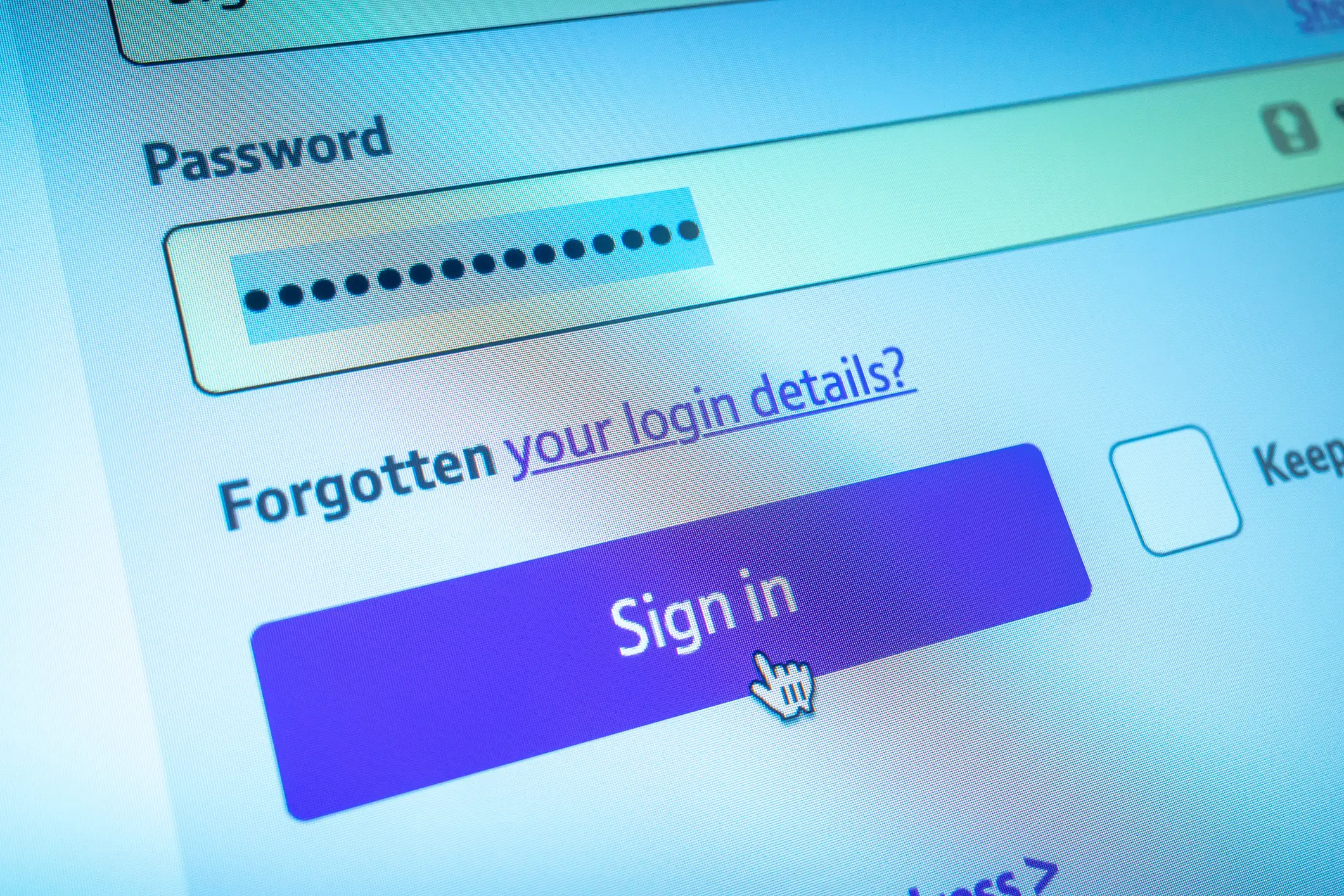
There might not be much you can do once your data has been leaked, but ensuring that you change any passwords linked to the associated breach to secure those accounts, and making it certain that your passwords are never repeated can avoid what's known as the 'keys to the castle' from happening.
This is when hackers use breached passwords on unbreached websites to see if that also works, and it can effectively open the front door to your entire digital profile if you're not careful enough.
Thankfully you can sign up for alerts as to when your information is identified in a data breach, allowing you to act quickly in the event that a new one is tracked by the site.