
Map of bot traffic reveals exactly how far away we are from 'dead internet theory'


How often have you turned to the comment section on your social media, simply to see it flooded with bot activity, or the OP themselves responding with automated replies? In an era where we're reminded to be skeptical about everything we watch or read online, can you blame conspiracy theorists for arguing that the internet actually 'died' years ago?
For those who don't know, the dead internet theory is the idea that the majority of the World Wide Web is made up of bot activity, automated content, and algorithmic curation instead of genuine interaction between actual humans.
A recent study suggested that while we're not quite in the realm of dead internet theory just yet, we're closer than ever. With Nvidia's Jensen Huang congratulating OpenAI for ushering in the era of artificial general intelligence via GPT-6 Astra, this isn't exactly a surprise.
Since then, we've seen the dead internet theory resurface thanks to the influx of AI influencers like Jean Philanthrope, as well as some conducting a 'bot test' in the aftermath of a Ukrainian strike against Russian data centers.
Did Ukraine's data center strike take out Russian bot traffic?
Advert
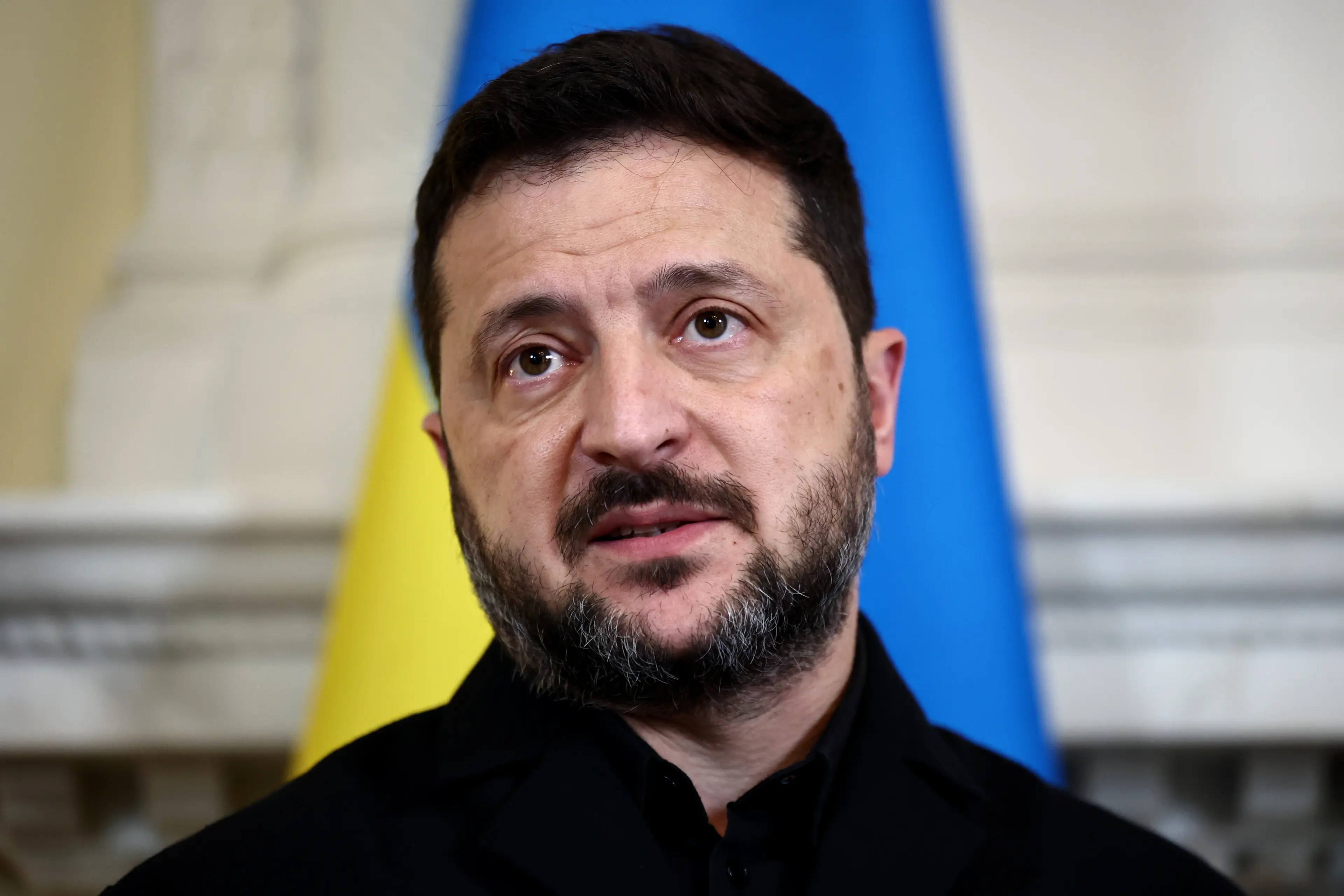
Ukrainian forces confirmed that a series of drone strikes on Yandex took out two of the company's five data centers in Russia. As Yandex has earned the moniker of being Russia's answer to Google, everything from dating apps to football clubs was affected. Ukraine said this was in response to Russia's earlier attacks on its data centers, which knocked out fixed-line internet services for over 100,000 households in the Kyiv region and have been wreaking havoc with Ukraine's mobile network since September 2026.
There have been multiple reports that Russian bot traffic has massively dipped following the attack against Yandex, with people on X posting a series of controversial posts as a bot test. Bot tests aim to see whether the replies are flooded with automated, scripted, and coordinated responses that typically come from political or spam botnets.
Many on X seem convinced that Russian bot traffic has effectively been knocked out following the first week of October, although Cloudflare paints a different picture. A look at Cloudflare over the past three months shows that bot traffic from Moscow has sat at 67.1% when compared to human traffic at 32.9%. This puts us firmly in dead internet theory territory, but shortening that window to the past seven days, Moscow's bot traffic has dipped to 57%. It's hardly the dramatic fall some are painting it as.
More than this, a look at Cloudflare's worldwide bot traffic over the past 12 months lists it at 32.6% against 67.4% for human traffic. There's definitely an upward trajectory, as a breakdown of the past three months shows bot traffic climbing to 36.4% and human traffic slumping to 63.6%.
How close are we to the dead internet theory becoming a reality?
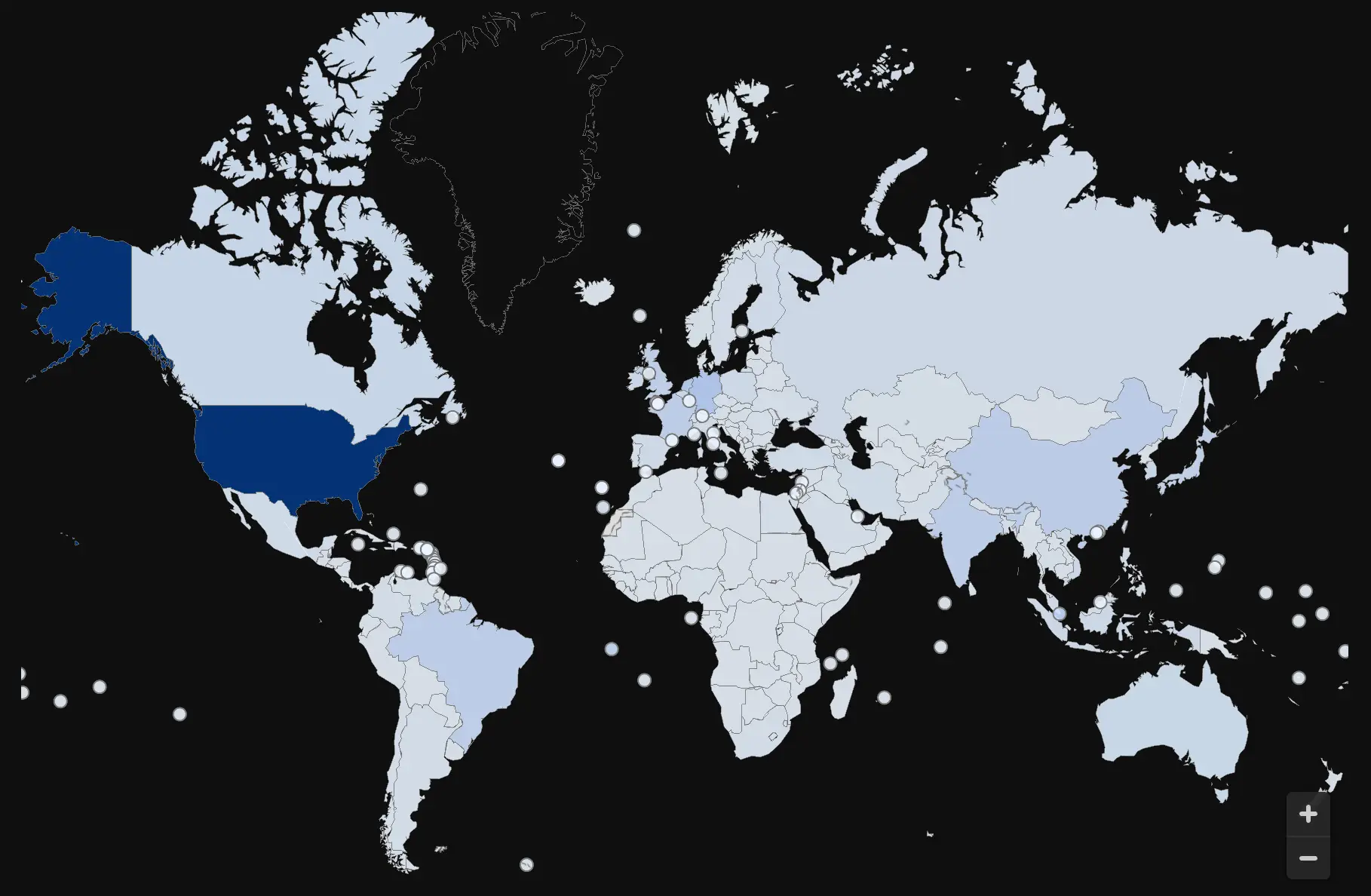
Russia is somewhat unfairly being tarred with the bot brush, but focusing again on the past three months, 43.4% apparently came from the USA. Given that this is where an increasing number of data centers, AI companies, and AI innovation are being centered, it's again not surprising.
GlobalStats notes that Singapore has been the leading country for bot data for much of the past 12 months, including a massive spike to 41.04% in April 2026. That's since dropped dramatically, while TechnologyChecker claims bots were responsible for 35.49% of all web requests in Q3 2026. Fitting these above trends, it's up from 33.21% in Q2 2026 and 30.13% in Q3 2025. It still puts us some way off the dead internet theory.
ChatGPT doesn't think we should be too worried just yet, but with it being AI itself, of course it would say that. When asked to put its own timeline on the dead internet theory becoming a reality, OpenAI's chatbot said it shouldn't happen for another 10 to 15 years. Then again, that was toward the end of 2025. AI has moved at breakneck speed since then, with the likes of Claude Mythos accelerating timelines across the board.
It's hard to trace the origins of the dead internet theory, but back in 2016, Imperva ran a now-infamous report that suggested we'd already lost the battle to the dead internet theory. It was here that the security firm examined 16.7 billion visits to 100,000 domains that were selected at random, concluding that automated programs accounted for 52% of web traffic.
Even though Cloudflare's numbers would suggest things have dramatically fallen since then, the dead internet theory has been gaining traction since The Atlantic posted a 2021 article titled "Maybe You Missed It, but the Internet 'Died' Five Years Ago."
Whether the internet 'died' 2016, 2021, 2026, or it's still alive and well, you aren't going to stop dead internet theory champions and skeptics from arguing across the World Wide Web. The funny thing is, many of them might be bots themselves.