
Impact Ukraine's attack on Russian data center has had on the global internet


A Ukrainian drone attack in Russia has knocked out a series of Russian data centers and caused chaos to civilian services. Away from the serious nature of the ongoing war between Russia and Ukraine, some have joked that the attack has removed Russian bot activity from the internet. In reality, the results are far more widespread.
The drone attack hit Yandex hard, and with the tech giant often being referred to as 'Russia's Google', you can imagine the damage that's been done.
What was the Russian Yandex attack?
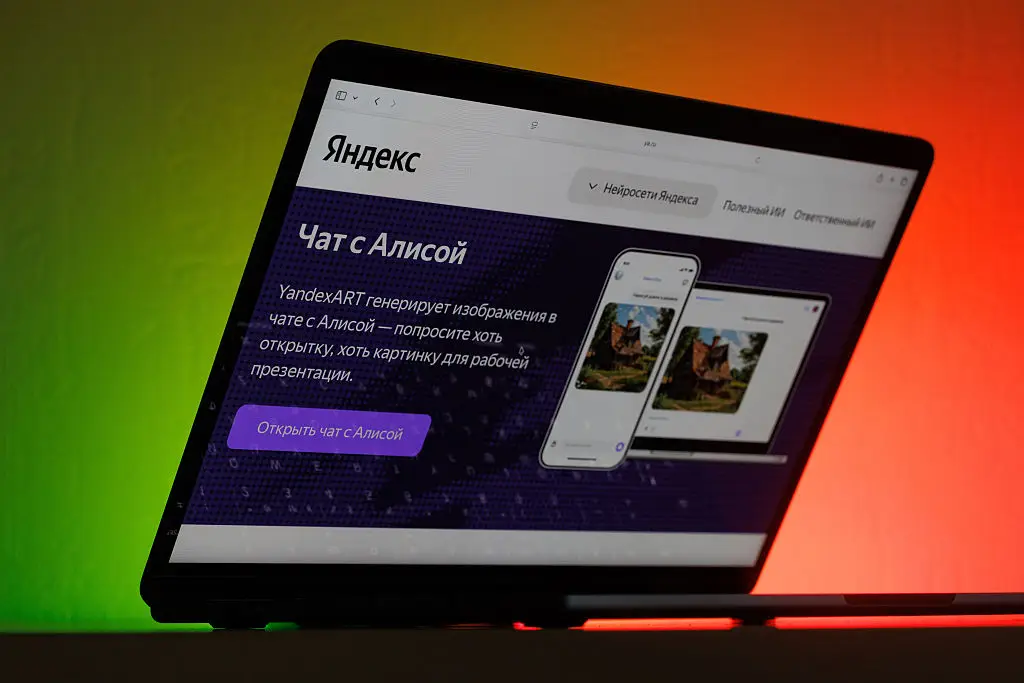
According to Reuters, Ukrainian drones struck two Yandex data centers in the Russian regions of Sasovo and Kaluga on October 8 and 9. It's said to be in response to a Russian drone strike that targeted Ukrainian data centers in September 2026. That had its own disastrous ramifications that have been disrupting Ukraine's mobile phone and internet services since.
Advert
Ukrainian President Volodymyr Zelenskyy confirmed the latest strikes and took to X to write: "We continue to respond to Russia’s attacks on Ukraine, and we’re doing so with high precision. Another data center was hit as well—our symmetrical response.”
Ukraine's Fire Point is a defense company based in Kyiv, also confirming the involvement of its FP-1 one-way attack drones on the Kaluga data center. Yandex operates five data centers in Russia, making the attack on the Sasovo and Kaluga data centers particularly important. The Sasovo center houses two of the company's three supercomputers that are used for training its YandexGPT AI models, while the Kaluga facility is the company's largest data center.
Yandex reiterated that while no employees were injured, there have been disruptions to some services, as it added: "Several data center modules have been completely disabled."
Russian news publication Meduza reports that nine people were injured and five were hospitalized.
With the Sasovo data center being shut down, Russian citizens reported issues with the Avito online marketplace, Ivi streaming service, MegaFon mobile operator, Russian Railways, and the T-Bank.
A whole host of services have been affected, apparently ranging from dating apps to real estate aggregators, a self-publishing book platform, and even the website for pro football club Spartak Moscow.
'Bot test' trends on X

Over on X, users are conducting a 'bot test', where they post an opinion or claim that would usually be overrun by automated replies. According to those trying their bot tests, they've seen a substantial decrease in automated comments, suggesting that the Yandex attack has taken out a lot of bot traffic.
The Independent points to internet infrastructure company Cloudflare reporting a small decrease in “bot traffic," but it's hardly a case of humans having beaten the dead internet theory. Cloudflare shows a dramatic drop in Yandex traffic to nearly zero, with it yet to return to normal levels.
We're reminded that Cloudflare's 'bot' data takes into account all automated sources, meaning it's far more than just automated responses on social media. Other types of bots are known as 'crawlers', scanning the internet to update search engines or train AI.
Although there are claims that Russian bot traffic has dropped, there doesn't seem to be a massive impact on the rest of the internet.
As conflicts become more advanced and the U.S. military plans to swap out 20% of its human generals with drones, attacks on data centers are becoming more commonplace. You might remember when drones affected Amazon services when a data center in the UAE was seemingly struck by Iranian forces.
It remains to be seen whether Russia will return fire again, but with data centers becoming more critical than ever, some Ukrainian firms have been moving data to facilities abroad. Moscow justified its September attacks by maintaining that data centers were being used by Ukrainian military intelligence, although Ukraine says they were specifically targeted to disrupt civilian infrastructure.
As we’ve seen with the Yandex data center debacle, it’s easier than ever to disrupt civilian life with strikes like these.