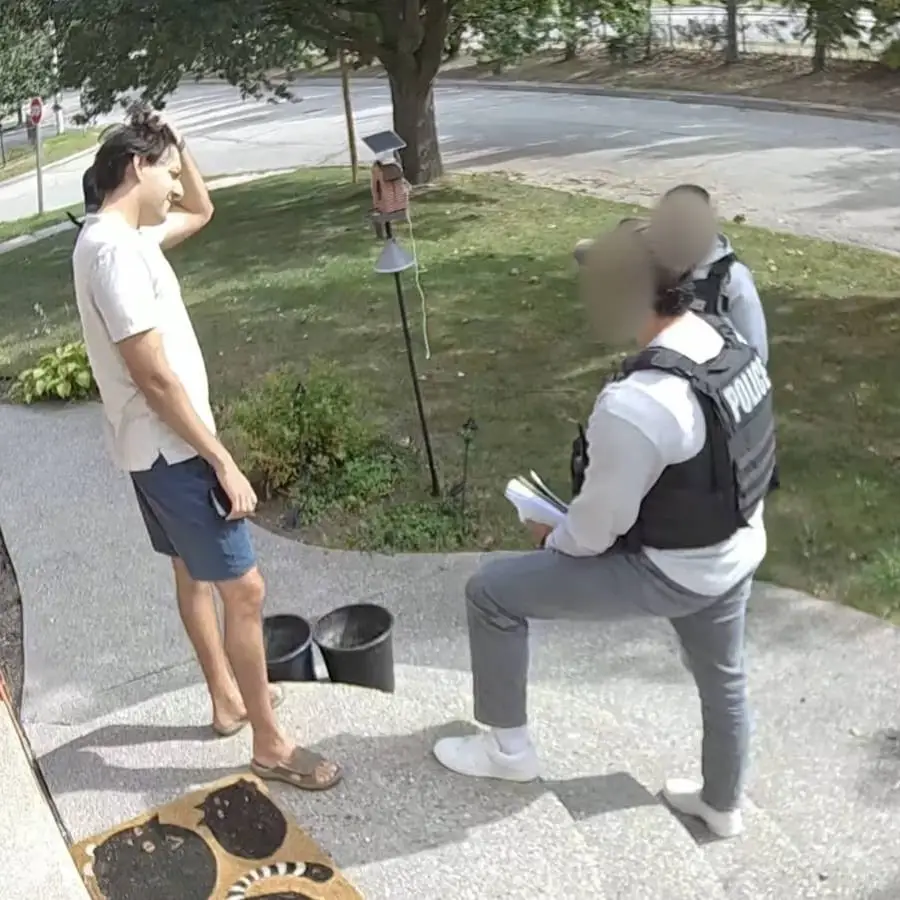
YouTuber gets surprise visit from cops after building own DIY flock system to track police cars


The public court of opinion has had its say on the Flock Safety camera debacle, and safe to say that the average American doesn't seem to be a fan of them. Facing a baptism of fire since Flock Safety was founded in 2027, the main issue is that authorities are accused of misusing these automated license plate recognition (ALPR) cameras for a variety of reasons.
A 2026 review of media reports since 2024 maintains there have been at least 28 cases of law enforcement officers using Flock and other ALPR systems to stalk former partners, and while Flock CEO Garrett Langley has tried to put some fears at rest by introducing mandatory audit logs, the American Civil Liberties Union (ACLU) has referred to it as 'window dressing'.
Langley has also been forced to address the apparent ability to access Flock cameras online, with a damning report claiming they could be controlled by bad actors and even be used to view playgrounds.
The general public have taken matters into their own hands, tearing down Flock cameras and creating detailed maps to track where they are in your local neighborhood.
Advert

There have been some sometimes hilarious protests, like the case of 77-year-old Carl Gunn earning the moniker of being the 'Flock Blocker' by placing a sign that reads "DOWN WITH FLOCK CAMERAS" in front of the camera lens.
Now, YouTuber Anthony Sistilli claims he's been visited by the police after he attempted to play them at their own game and track cop cars with his own DIY Flock Safety system that used the same tech as the surveillance tech. The only difference is that he programmed his little camera to only track police cars.
The Canadian YouTuber shared two short-form videos with his 140,000 subscribers, then said that officers from Ontario's Peel Regional Police showed up at his address on September 20.
Cops reportedly conducted a 30-minute interview where they mainly wanted to know what Sistilli planned to do with his data. In his video, Sistilli says: "I found it extremely ironic that when I decided to point the camera the other way and watch the watchers, they had the same privacy concerns as we do."
After officers aired their grievance, Sistilli reiterated: "Their concern was that mapping police movements could put officers at risk and help people committing crimes. They also made the case that their own cameras and ALPR technology weren’t as concerning as I was suggesting. My impression was that they weren’t familiar with many of the controversies or examples of misuse in the United States.”
Flock is said to operate over 120,000 devices in 49 states, and with similar popping up in Sistilli's Canadian neighborhood, he decided to take matters into his own hands.
Speaking to Straight Arrow, Sistilli reiterated: "I never intended to create a giant network mapping every police officer, and I still don’t. I wanted to see whether it was feasible and use the irony to illustrate a point. Sometimes it’s easier to show people what this kind of surveillance means by turning it around than by simply explaining what companies like Flock are doing.”
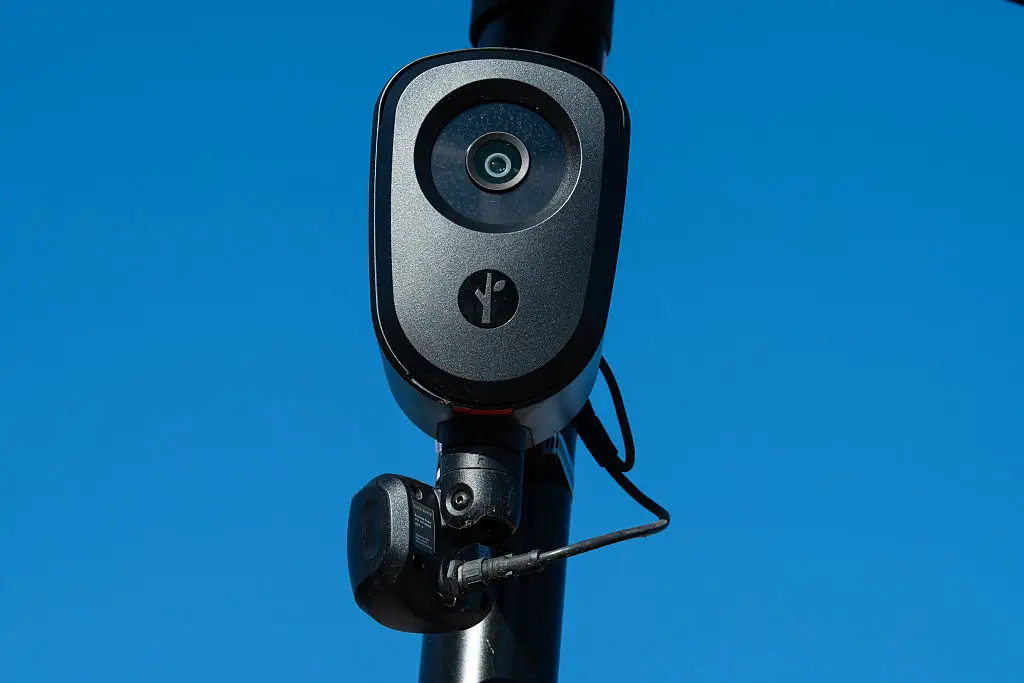
Using a cheap camera purchased from Amazon, his laptop, and machine learning software, Sistilli says he trained his model in just 20 minutes to scan for anything that looks like a police car: "If the software is confident that a vehicle is a police car, it tries to read its licence plate. My phone supplies GPS information to the laptop, and everything gets stored in a database so I can look at it on a map later: the picture, the time, the location and the licence plate.”
The police were worried about the potential to track officers, which we saw with the shutdown of the ICEBlock app. Even though Sistilli is clearly against ALPR cameras, he noted a darker side of his experiment when he added: "A lot of people supported it, and some wanted to build a shared map. But there was also the darker side of social media, with people talking about violence or tracking down individual officers. I don’t condone any of that.”
When officers raised their concerns with Sistilli, he gave his own blunt response. As for the whole experiment, he concluded: "I brought up approaches used in the U.S., such as clear data-retention policies and audit logs that don’t expose personally identifying information or details of specific cases I don’t think I managed to get that distinction across.”
As the Flock network grows, and similar tech starts to infiltrate Canada, the heated debate surrounding surveillance continues.