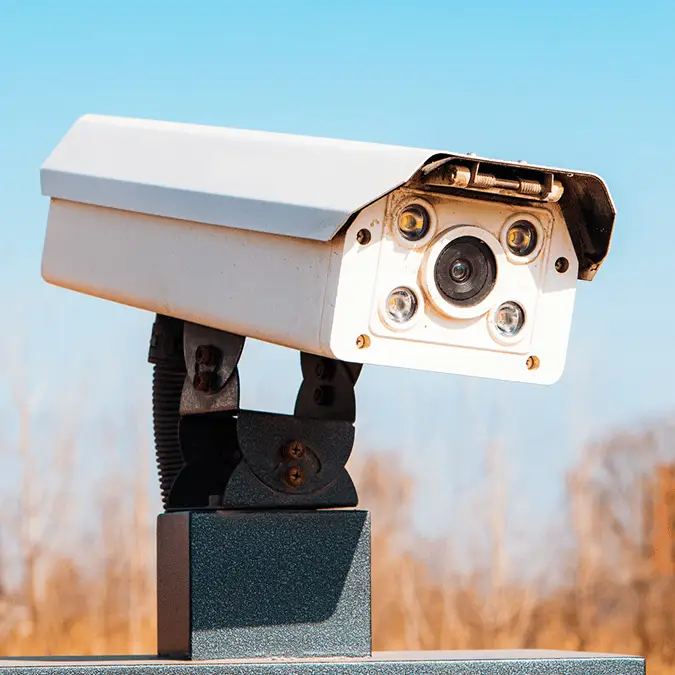
Eerie study finds license plate cameras can track your AirPods and smartwatch


One recent eerie study has revealed how newly developed licence plate cameras are capable of scanning far more than just your car, with technology inside to identify RFID and Bluetooth-enabled devices like smartphones and AirPods.
This comes at a time when privacy concerns are increasing, with another form of AI powered licence plate cameras causing a commotion in a New York town, and these new scanners are merely another layer of surveillance that you might not even be aware of.
As reported by 404 Media, it hinges on technology developed by a company called Leonardo, who has utilized its 'SignalTrace' software to collect unique identifiers in various popular gadgets which could allow law enforcement to identify who is within any given car without the present need for a warrant.
It creates an 'electronic footprint' of pretty much every device that can be connected with Bluetooth, sources of Wi-Fi, various vehicle components, and even things embedded with RFID chips like key cards and pet microchips.
Advert
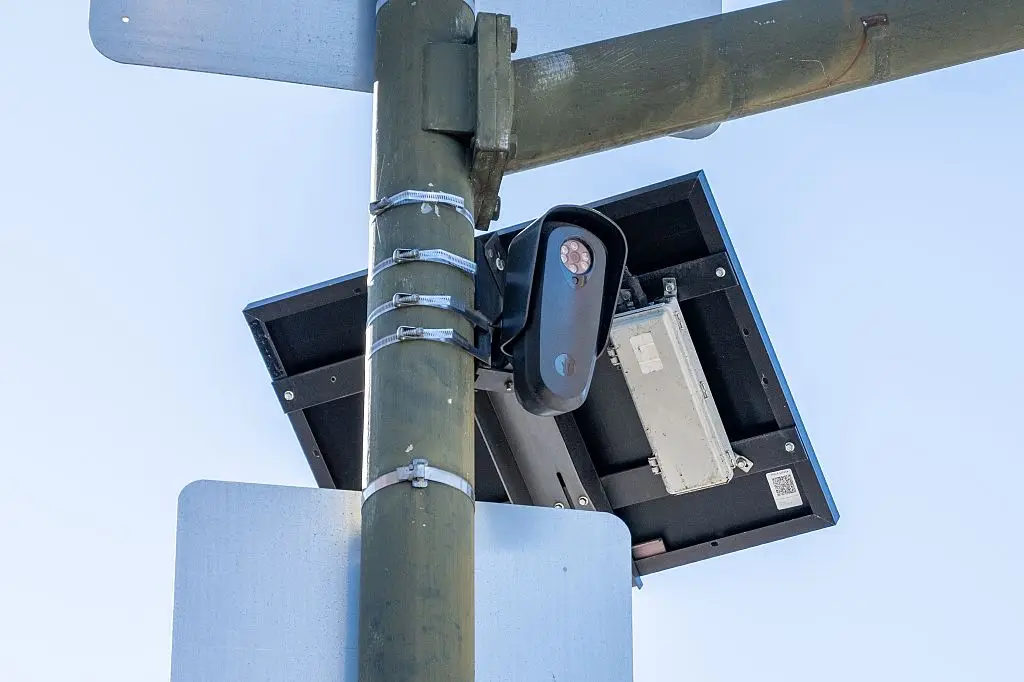
This effectively provides Leonardo, and potentially law enforcement or the government, with a record of every technological device you take with you in your car – including things like smartphones, laptops, headphones, and wearable tech – and suggests that it will be used for 'investigative' purposes.
What's more, SignalTrace doesn't necessarily require cities to implement entirely new infrastructure to support the software, as it can be installed within any ALPR camera — which have become increasingly common for licence plate scanners across the country.
Addressing its use within law enforcement, an information sheet from Leonardo regarding SignalTrace outlines:
"When multiple device consistently move together with a vehicle, SignalTrace's algorithms link them to that vehicle's license plate and time-stamped location data. This correlation provides investigators with another layer of actionable intelligence, even if a suspect changes or removes a plate."
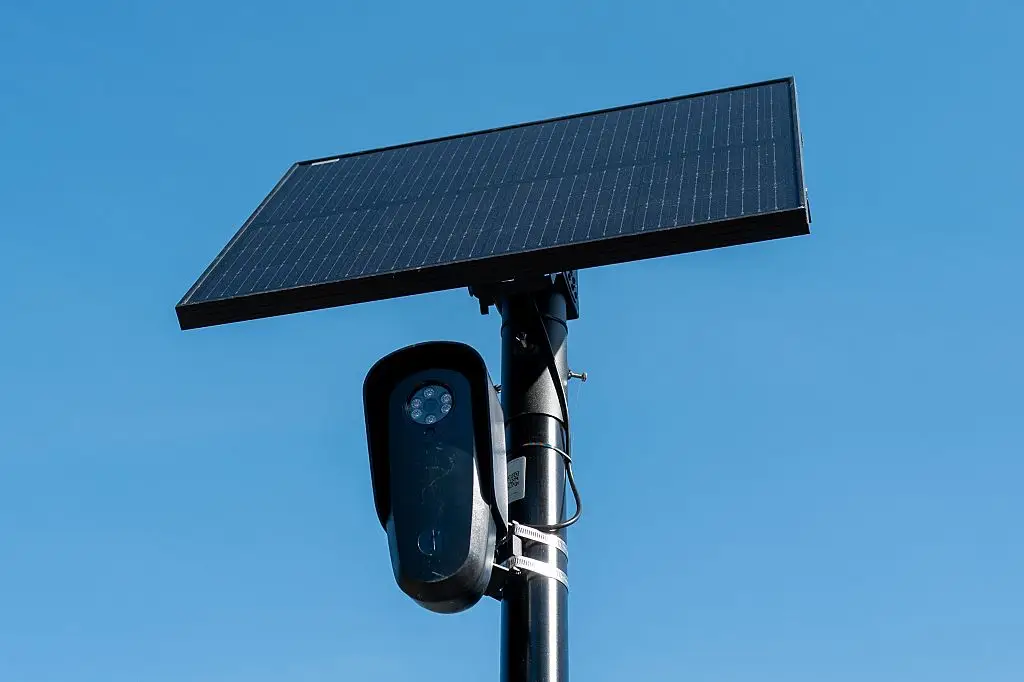
It's unclear whether SignalTrace can be used to link tracked devices specifically with the individuals that own them, but it appears as if it's capable at least of creating a database that connects tracked devices with specific licence plates, which can then understandably be used by law enforcement to presume an owner.
It's safe to say that the technology has proven incredibly popular with people online, as many have objected to the rapidly increasing surveillance measures being put in place across the United States.
"I wonder if the people developing these capabilities know that this surpasses what George Orwell could even imagine," wrote one commenter on Reddit, questioning if "they think it won't apply to them somehow?"
Another noted that they were "surprised no one has come up with a passive way to make these things stop working," whereas a third pointed towards the futile nature of trying to avoid surveillance, noting that even if you abandon your phone, "the moment you step out of your house your neighbors Ring camera will track you."