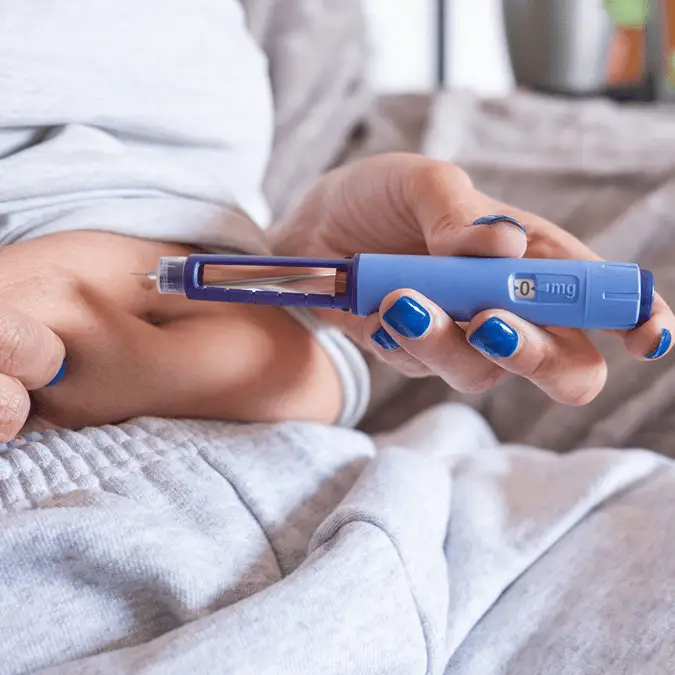
Health officials issue warning after weight-loss injections tied to over 200 deaths


There are more worries about the so-called 'skinny jabs', with health officials once again sounding the alarm on GLP-1s and their popularity as weight-loss alternatives.
Although traditionally used to treat type 2 diabetes, there's been a boom in the likes of semaglutide being used as an anti-obesity medication.
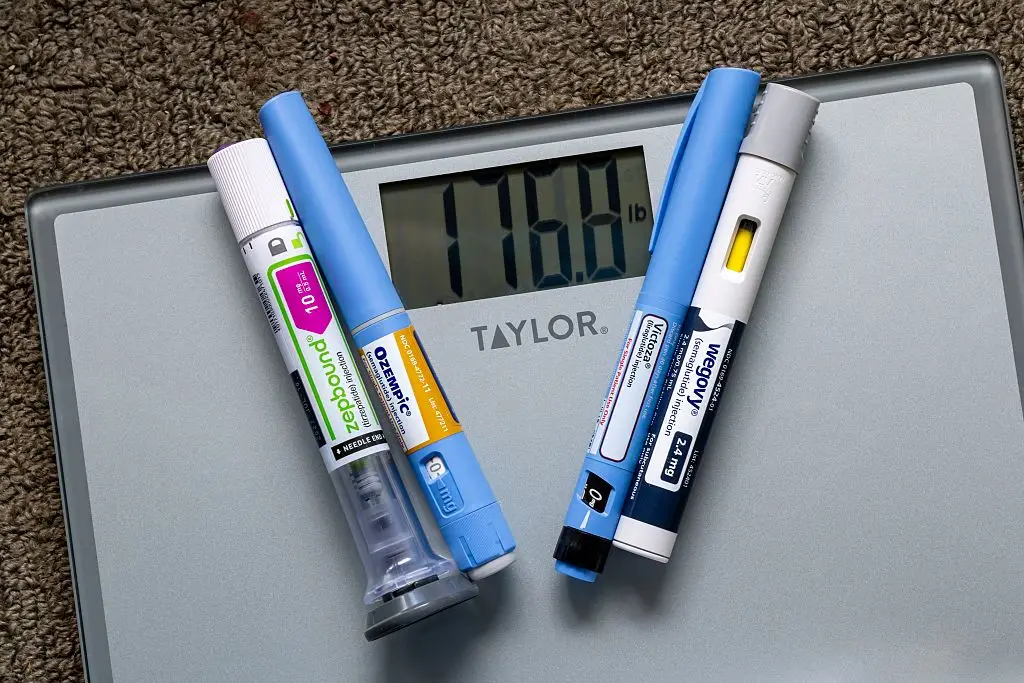
The problem is, others have been using it without prescription, with the likes of Ozempic, Wegovy, and Mounjaro being used recreationally by celebrities and the general public alike.
We've seen the industry continue to evolve through the likes of Amazon offering a same-day delivery option on the new Ozempic pill, while Retatrutide has been billed as an all-powerful 'Godzilla' GLP-1 injection.
Advert
Whereas some have billed GLP-1s as a potential cure-all for a variety of ailments, others continue to highlight a worrying raft of health side effects that range from 'Ozempic face' sagging to reported hair loss, and even potential death.
Health officials issue warning over potential GLP-1 injection deaths
As reported by The Telegraph, regulators have been informed of over 158,000 adverse reactions that have been associated with GLP-1 injections, but more worryingly, there have apparently been 200 deaths.
Reactions are reported to the Medicines and Healthcare Products Regulatory Agency’s (MHRA) yellow card scheme, with data claiming there have been 106,189 adverse reactions and 120 deaths linked to tirzepatide, which is sold as Mounjaro.
48,089 reactions and 59 deaths have been reported in connection with semaglutide, which is known as the active ingredient in Wegovy, Ozempic, and Rybelsus.
The MHRA also says there have been 4,491 adverse reactions and 37 deaths linked to liraglutide, which is known by the brand name Saxenda.
Still, the scheme reiterated that adverse reactions and deaths don't always mean a specific medicine is responsible, only that the person reporting suspects that it could be.
An MHRA spokesman said: “It is important to place these reports in the context of the millions of GLP-1 prescriptions issued in the UK.
“Reporting volumes can be influenced by increased use, greater awareness of a potential adverse reaction and other factors."
We're told that the safety of GLP-1s is under continuous review, with experts taking into account evidence from spontaneous data and scientific publications.
The MHRA concluded that updates on the safety of these medicines will be "promptly communicated to patients and healthcare professionals, and appropriate steps taken to mitigate any identified risk."
As it stands, the benefits of GLP-1 receptor agonists "outweigh the potential risks when used in line with their authorised uses.”
Speaking to LBC Radio, Health Secretary Yvette Cooper waded into the conversation and stated: "We have a whole system of health safety regulations in place where experts will do monitoring of any adverse impacts, of any safety reports, any concerns that are raised.
"And the good thing about the fact that we have a National Health Service means that all of those reports can be collected together – all of them can be monitored."
Cooper reassured the public that expert regulators remain abreast of the situation and that wider concerns are brought to her attention, the attention of health ministers, and the general public to ensure that safety is paramount.
Novo Nordisk responds to MHRA reports
UNILADTech reached out to Novo Nordisk, with a spokesperson reiterating the MHRA's stance and adding that an increase in GLP-1 receptor agonists has led to an increase in Yellow Card reports. As well as Yellow Card rates being influenced by factors like the seriousness of an adverse drug reaction and the extent of use, a reported reaction doesn't necessarily mean it's been caused by a particular medicine.
Alongside underlying or concurrent illnesses potentially being responsible, a fatal outcome Yellow Card report also can't always be attributed to a medicine. We're reminded that Adverse Events Reporting (AER) rates are influenced by the seriousness of AERs, ease of recognition, how much a particular medicine is being used, and could be exacerbated by promotion and publicity. When monitoring the safety of medicines, MHRA experts are said to carry out careful analysis of all these factors.
Novo Nordisk issued the following statement: "At Novo Nordisk we care deeply about patient safety. Like all medicines, treatments used for chronic conditions can have side effects, and these can vary from person to person. That is why medicines should be prescribed by, and used under the supervision of, a healthcare professional, who can consider the potential benefits and risks for each individual.
We recommend that any patient experiencing side effects while taking GLP-1 RA medicines report them to their healthcare provider and via the MHRA Yellow Card scheme.”