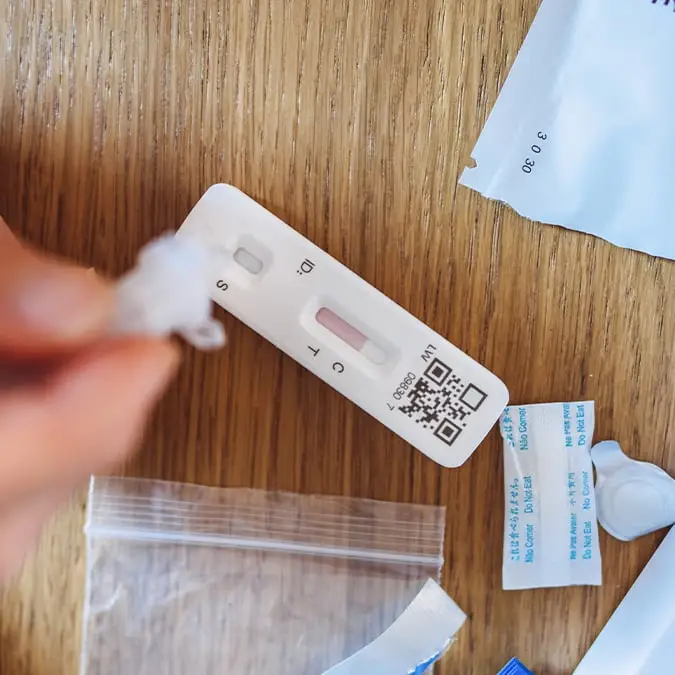
Brain scans reveal what COVID-19 actually does to your memory and emotions


Scientists have uncovered fresh evidence that Covid-19 may leave its mark on the brain, with these changes being linked to memory, attention, emotions and the ability to manage complex duties.
This comes after brain scans were conducted, revealing new information about the virus.
In a study consisting of 49 brain-imaging studies, the clearest evidence yet of neurological changes associated with the virus has been pulled together.
The research was published in Cerebral Cortex and examined MRI scans from people who had experienced Covid-19 and compared them with scans from healthy participants.
Advert
The researchers, led by Li Chen, Huan Lan and Wenxiong Liu, looked at studies covering people at different points in their illness, from those experiencing an active infection to people who had already recovered.

As a result, they discovered why some people have reported symptoms such as brain fog, memory problems, fatigue and changes in their mood long after their initial infection.
The study explains: “Across multimodal MRI studies, alterations were predominantly in frontal regions, temporal regions, parietal regions, limbic system, and subcortical nuclei.
“Our findings may help understanding of the neurophysiological basis of acute neurological symptoms and long-term neurological sequelae associated with Covid-19.”
The scientists suggest that reduced oxygen delivery and inflammation triggered by the immune system could potentially play a role. In some areas, however, researchers found increases rather than reductions in grey matter, which could reflect temporary swelling or an attempt by the brain to compensate for damaged tissue.
The study also found changes in the way different parts of the brain communicate as a result of the virus, with experts noticing altered patterns of synchronization between brain regions.
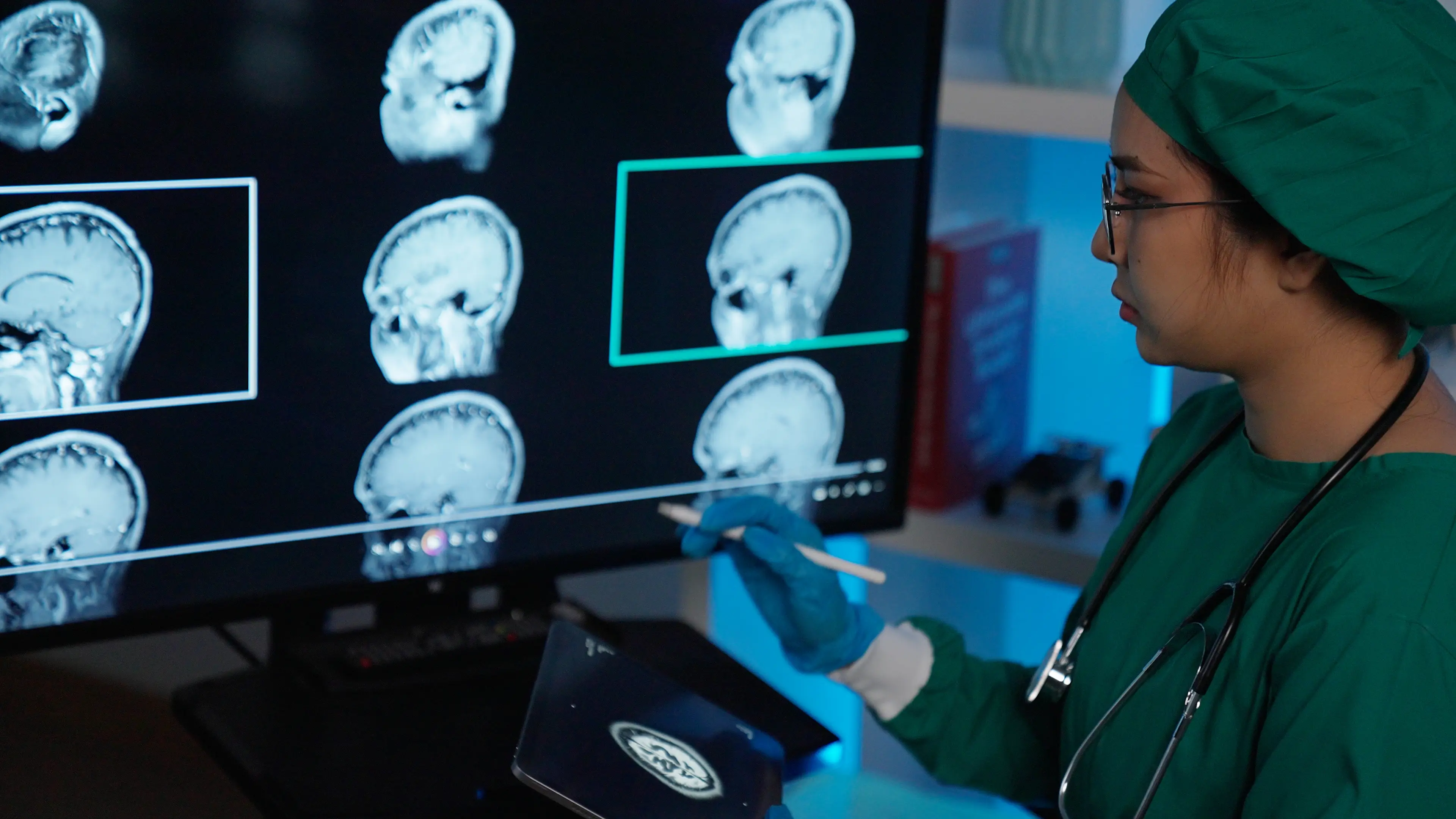
When people who had recovered from Covid-19 completed working-memory tasks while undergoing brain scans, researchers observed different patterns of brain activation compared with healthy participants.
This has the potential to be a major breakthrough in the research of long term impacts of Covid-19 because it demonstrates how the brain works differently after recovering from the virus.
It’s important because it could impact how previous patients of Covid-19 are treated for their long term ailments, giving medics more understanding on how the virus works while also having a positive effect on preventative measures.
While short term symptoms of Covid-19 tend to appear from two to 14 days after exposure and commonly include a high temperature, a continuous cough, fatigue, and loss of taste or smell, a lot less is known about all the long term implications, meaning this study could be pivotal for future treatment.