UK’s emergency advice relies on a website that the government just called ‘inadequate’ in staggering new report


Many countries around the world have been sharing advice regarding emergency situations in the last few months, yet a jaw-dropping new report has revealed the 'inadequacies' of communication that the UK government is aware of in its own plans.
It's no secret that most people rely on the internet for information and communication these days, as everything from the news to political alerts are carried out over the web.
What would happen, however, if that suddenly became inaccessible? That's a question that the UK government is asking itself now in the face of growing threats, with the worrying conclusion exposing quite how flawed current infrastructure remains.
Brits in particular have been given '72-hour warnings' recently, urging them to stock up on food and water and ensure that they have the necessary means to continue living without electricity for an extended stretch of at least three days.
Advert
What might be troubling for the government is continuing communications in the event of a threat though, as a new report on 'building a culture of resilience' in Great Britain lays bare the truth.
New report exposes 'inadequate' website in an emergency
As shared by LADbible, one key area that might worry you from the report is the risk associate with reliance on internet communication, with the 68th conclusion and recommendation reading:
"A government website is inadequate as the principal means of communicating resilience advice. Reliance on digital guidance risks excluding some groups, particularly during power or internet outages. The advice is also insufficient for prolonged or severe disruption."
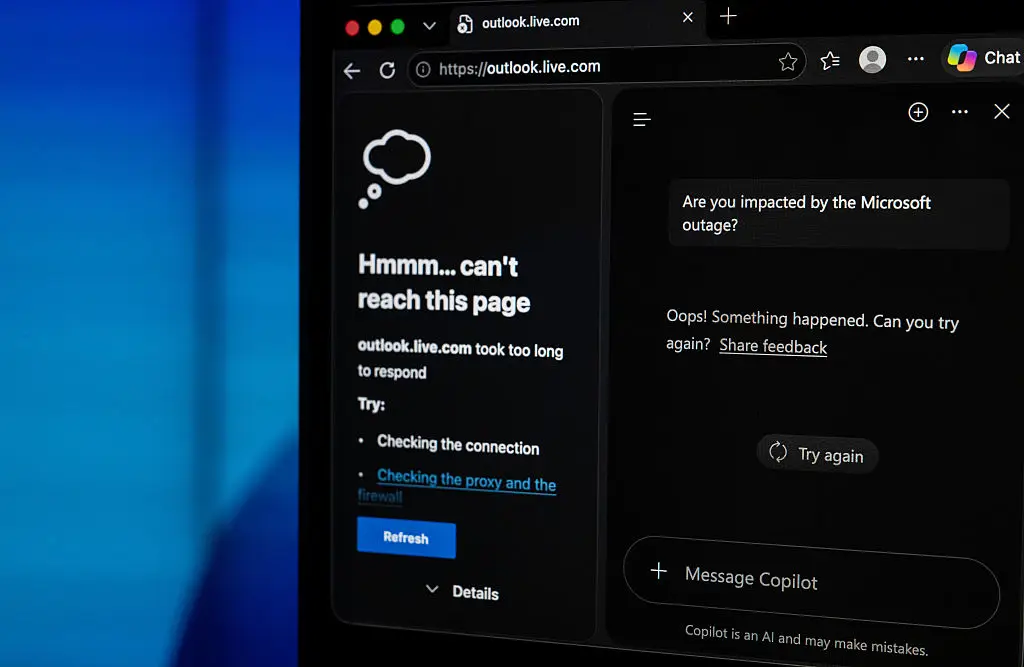
In essence, the report warns that people won't get the advice or guidance they need if the only place they can find it is on the internet, as not everyone has reliable or easy access and it obviously becomes unavailable when power is lost.
You also have to worry about the danger of cybersecurity threats when it comes to this advice, as threat actors could remove or tamper the communications, perhaps causing further panic or chaos amid an already dangerous situation.
Another key issue with government communications so far is the emphasis on the 72-hour window, as while there is the possibility that threats or outages could be temporary, people will simply not be prepared if disruption continues beyond that, leaving everyone in even more trouble.
How worried should people be about looming threats?
It's impossible to know exactly what awaits us in the future, but ongoing global tensions, the rise of cybersecurity threats, and the increase in disruption to tech services does paint a worrying picture.
The report itself concludes that "the world is more turbulent and insecure than it has been for decades," calling the UK government 'complacent' which subsequently leaves the nation 'unprepared'.
"The public don't have a full picture of the level and frequency of current sub-threshold hostility against the UK from Russia, China, and Iran in the form of cyber attacks, proxy acts of violence, or threats to undersea cables and pipelines on which our communications and energy flows depend," the report continues.
Those issues are exclusive to the UK either, with many of the world's most powerful nations facing similar or even greater threats, which is why there have been so many calls for increased preparation in recent months.