Amazon says NYC orders could cost $5 more. Here’s what the warning actually means for customers


Amazon is one of the biggest companies in the world, and with a market capitalization of $2.81 trillion, it's currently in fifth place behind Apple, Nvidia, Microsoft, and Alphabet (Google). In the first nine months of 2026, Amazon has generated $113.6 billion in cumulative net income, which is up a whopping 101.1% year-over-year.
Despite this, the internet shopping giant is warning that customers could soon be hit hard in the pocket, with a potential $5 surplus being added to orders.
As Amazon claps back at the Delivery Protection Act and New York's Mayor Zohran Mamdani takes aim at Jeff Bezos' billionaire status, there are concerns that we'll soon be paying more for our washing tab refill, dog treats, and Black Friday tech.
What is the Delivery Protection Act?
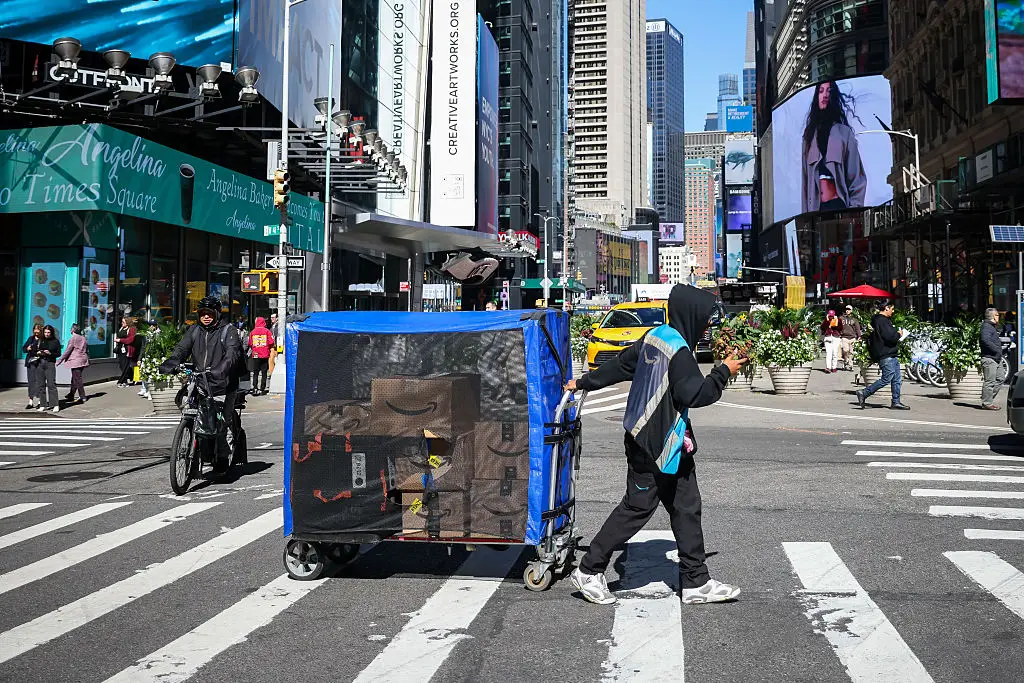
Backed by Mamdani and others, including the International Brotherhood of Teamsters and City Council Speaker Julie Menin, the Delivery Protection Act (Intro 0518-2026) is a proposed bill that would force distribution and e-commerce companies like Amazon and FedEx to directly employ warehouse and last-mile delivery drivers instead of relying on third-party subcontractors.
Advert
This is good news for staff because it would offer better job security, training, and employee benefits.
Supporters argue that Amazon and the like already control everything from driver routes to quotas while still using third-party firms to avoid legal liability.
The Delivery Protection Act's official description explains: "This bill would require operators of certain warehouses and storage facilities from which goods are delivered to final consumers in the City to obtain a business license from the Department of Consumer and Worker Protection.
“This bill would set forth the conditions of such license, which would include safety, training and employment requirements. This bill would also set forth enforcement options, including those available to the City and to workers."
Amazon has been vocally against the Delivery Protection Act, greeting customers with a banner warning about a potential $5 increase to orders. A commissioned study suggests this would raise annual costs by up to $664 every year, per household.
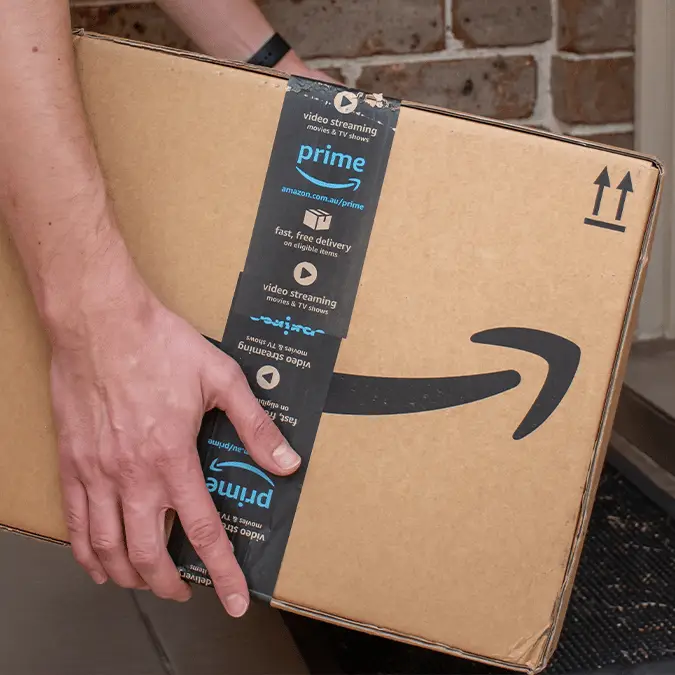
Alongside the banner, there are reports on Reddit that some Amazon packages (even outside of NYC) are now coming with stickers that read: "NYC Council could add up to $5 per order. Act now to protect low prices."
It's said there's a QR code that directs you to a link for contacting NYC Councilmembers. The sticker tells customers to "Scan to tell your council member: no increases for New Yorkers."
Can Amazon really add $5 to orders?
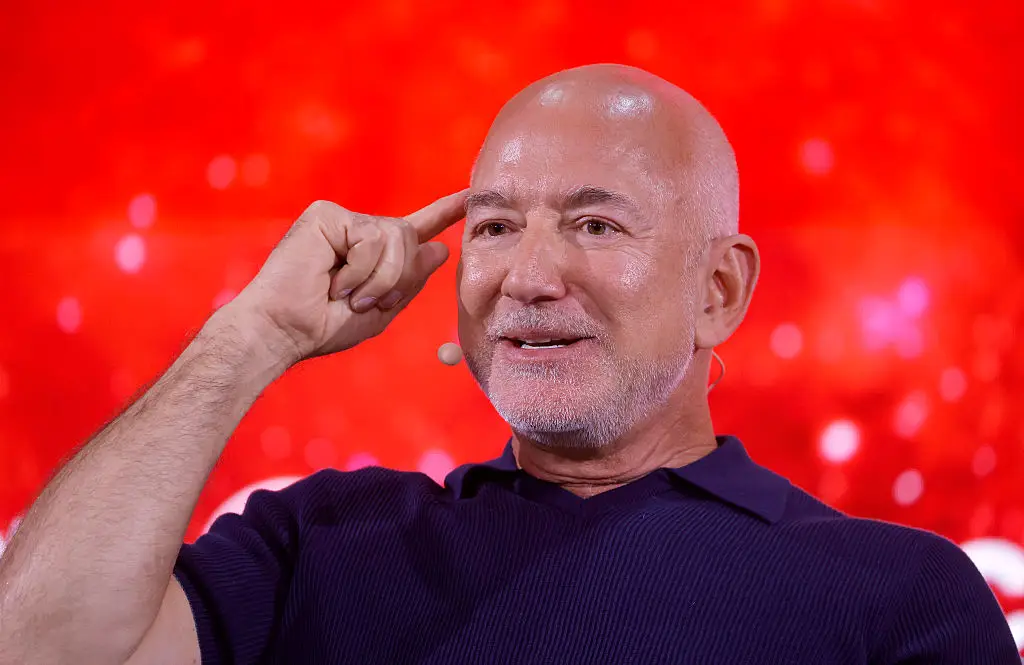
Amazon's ultimatum comes as it defends its position and claims the initial ad led to 60,000 people protesting to New York City Council members in the first 36 hours alone. As reported by The New York Times, that's climbed to 110,000.
Menin has slammed Amazon, saying: "To put out an ad that falsely claims that if you purchase something on Amazon you're gonna get with a $5 fee a piece every single time is completely and deceptive."
Calling the whole thing 'dishonest', she added: "Amazon’s campaign is nothing short of a cynical plot to trick New Yorkers."
Even though the bill makes no mention of an actual surcharge, Amazon could legally enforce its ultimatum. The only mention of money tied to the Delivery Protection Act is a $500 annual license per warehouse facility. It appears Amazon is determined to pass this and other costs down to the consumer.
As noted by the NYT, the idea of a $5 increase per order might be an exaggeration, with David Weil, a professor at Brandeis University, admitting that while company costs would surely increase, it's not enough to warrant such a hike: "The idea that it would translate into $5 for every order is hyperbole."
Others suggest that hiring a more experienced workforce and reducing staff turnover could help counteract increased expenses.
Amazon is yet to reveal how it arrived at the $5 per order figure.
The bill doesn't regulate retail pricing, meaning Amazon has every right to introduce a regional delivery surcharge or raise the price of items for customers in New York City as a way to try and offset increased labor and restructuring costs.
We're reminded that Amazon has to try and keep prices low in major hubs like New York City, or risk pushing its customers to cheaper alternatives. Whether the Delivery Protection Act goes through and whether Amazon sticks to its $5 surplus guns remains to be seen, but with customers potentially footing the bill, there's sure to be plenty of debate.
UNILADTech has reached out to Amazon for comment.